Home Blog Page 9

Can Laughter and Play Transform Your Mental Health? Let’s Find Out!

0
Child son and mother playing video games together at home

Taking a moment to unleash the lighter side of life might seem frivolous. However, integrating play and laughter into your daily routine is far from being just a trivial pursuit. For adults, this can be an essential strategy for managing stress, enhancing well-being, and improving overall mental health. Here’s how embracing a more playful lifestyle can brighten your day and significantly boost your mental resilience.

Stress Reduction Through Laughter

Laughter is a powerful antidote to stress. Did you know that when you laugh, your body releases endorphins? This is the brain’s natural feel-good chemicals that boost your happy feelings and can even temporarily relieve pain. Plus, laughter inhibits the release of stress hormones like cortisol and adrenaline, helping your body to unwind.

In essence, when you laugh, you’re not just improving your immediate mood but also helping your body to reset and handle upcoming stressors more effectively. Consider laughter therapy groups or simply watching a comedy show to invite more giggles into your life.

Building Stronger Social Bonds

Social interactions are crucial for maintaining mental health, and playful activities are one of the most effective ways to strengthen these connections. Whether it’s a casual game night, a shared moment of laughter, or participating in a team sport, engaging in play can help forge and deepen bonds with others.

The shared vulnerability and joy in these moments create a sense of belonging and support, which are vital for nurturing your mental health. By fostering connections through play, you not only enrich your social life but also build a network of support critical for times of stress or emotional turmoil.

Enhanced Cognitive Function

Play isn’t just for kids. For adults, engaging in playful activities can be a dynamic way to boost brain function. Puzzles, games, and other challenging leisure activities stimulate the brain and improve various cognitive functions, including problem-solving skills, memory, and attention.

This mental stimulation is important as it helps delay cognitive decline and keeps your brain sharp. Plus, the learning and novelty associated with play can contribute to a more adaptable mind, aiding you in navigating life’s complexities with greater ease and less anxiety.

Recognizing When It’s Time to See a Psychiatrist

While incorporating play and laughter into your life can have significant benefits for your mental health, it’s important to recognize when professional help is needed. If feelings of sadness, anxiety, or stress become overwhelming and persistent, affecting your daily functioning, it might be time to visit with a mental health professional.

A psychiatrist, particularly one experienced in dealing with complex mental health issues, can provide a diagnosis, offer treatment, and help you navigate the complexities of mental health disorders. For instance, if you reside in Georgia and find yourself struggling despite self-help strategies, reaching out to a psychiatrist in Athens GA, could be a pivotal step toward recovery. This action not only helps in managing symptoms with medical expertise but also reassures you that you’re not alone in your journey toward better mental health.

Boosting Physical Health

Laughter and play don’t just improve your mental state; they also have tangible benefits for your physical health, which in turn, enhances your mental well-being. Regular physical activity, which often involves playful elements like sports or dance, can also help lower the risk of chronic diseases.

Furthermore, laughter itself burns calories and helps tone your abs. Physical activity and laughter both help in reducing stress and improving the efficiency of your body’s systems, contributing to a healthier, happier you.

Improving Emotional Resilience

Incorporating play and laughter into your life builds emotional resilience by providing you with a psychological buffer against stress. When you engage in play, you often encounter scenarios that are challenging yet manageable, which helps you develop coping strategies in a low-stress environment.

Laughter, similarly, provides a break from sadness and allows for a lighter perspective on problems. Together, these activities help you cultivate a more optimistic outlook, enhancing your ability to face life’s challenges with a calm and composed demeanor.

Play and laughter are not just simple pleasures of life; they are essential tools for maintaining and enhancing mental health. They help reduce stress, build social bonds, enhance cognitive function, improve physical health, and boost emotional resilience.

Recognizing the value of these activities and knowing when professional help is needed are crucial steps in taking care of your mental well-being. So, why not let a little more laughter and play into your life? The benefits are serious.

2024’s Best Casual Watches for Men

0
Close-up partial view of man dailing his handwatch isolated on black

We all know the struggle. You throw on your favourite graphic tee and ripped jeans, feeling ready to conquer the day, but then you glance down at your wrist – bare. Talk about a vibe killer.

2024's Best Casual Watches for Men

Image Source: Shutterstock

Don’t worry, bros. This guide is here to transform your wrist game from “meh” to “epic.” We’re talking about casual watches that’ll take your look from basic to boss-level, no matter what your day throws at you. It is your cheat code to break down the coolest trends, explore classic styles that never go out of fashion, and even spill the tea on comfy straps and killer materials.

So, get ready to rock the band on your wrist. Let’s explore casual watches for men that screams “you” and makes every outfit an instant banger.

Decoding Your Casual Watch Needs

The All-Rounder

2024's Best Casual Watches for Men

You may be a busy guy who needs a watch that can keep up. You want something versatile, comfortable, and built to last. Look for casual watches for men with a clean, legible dial, a durable case, and reliable movement – either quartz (battery-powered) or automatic (self-winding).

The Style Statement

2024's Best Casual Watches for Men

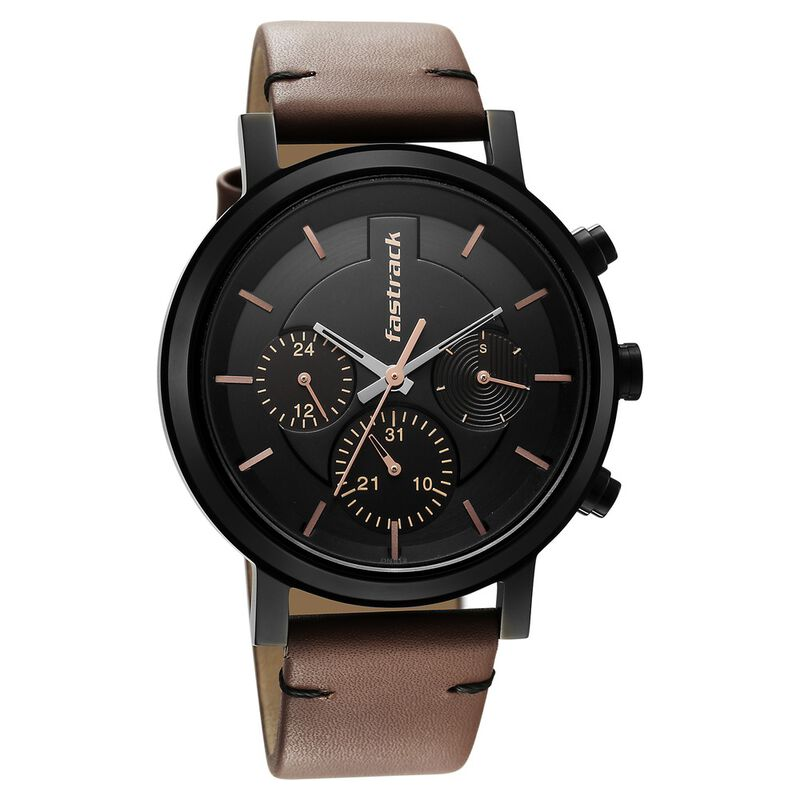
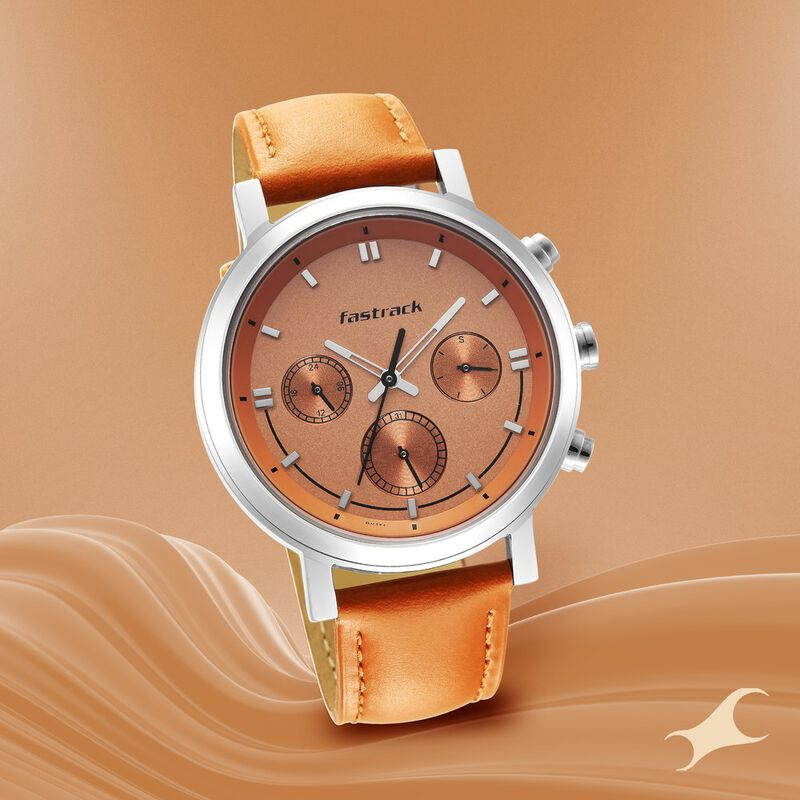
For the fashion-conscious man, a casual watch can elevate your everyday look. Consider casual watches for men with multiple subdials for a sporty vibe or a minimalist timepiece with a sleek leather strap for a more sophisticated air. Don’t shy away from pops of colour or unique textures on the dial or strap.

The Adventurer

2024's Best Casual Watches for Men

Do you crave weekend hikes and spontaneous getaways? A rugged field watch is your perfect match. Look for features like water resistance, which is essential for unexpected splashes, followed by a metal dial and a comfortable, water-resistant strap.

Trending Styles to Watch Out For

The world of casual watches for men is constantly evolving, offering exciting new options for every taste. Here are a few hot trends to keep an eye on:

  • Minimalism: Clean lines, uncluttered dials, and classic silhouettes – the minimalist trend is all about understated elegance.
  • Vintage Revival: There’s a nostalgic charm to vintage-inspired watches. Look for classic field watch designs, pilot watches with oversized crowns, or chronographs with retro details.
  • Bold Colors and Patterns: Don’t be afraid to express yourself! Consider casual watches for men with playful dials in vibrant hues or straps with interesting textures that can add a touch of personality.

Choosing the Right Fit

A well-fitting watch completes your look and ensures comfort throughout the day. Here are some key things to consider:

  • Case Size: The watch case should be proportionate to your wrist size. A bulky watch on a slim wrist will look unbalanced.
  • Strap Material: Leather offers a touch of sophistication, while nylon or rubber straps are ideal for active lifestyles. Metal bracelets add a sporty edge.

Beyond Looks: Functionality Matters

While style is important, casual watches for men should also be practical. Here are some features to consider:

  • Water Resistance: Look for a watch with at least 3 ATM (30 meters) water resistance for everyday wear and higher if you plan on swimming or diving.
  • Luminous Hands and Markers: Essential for low-light situations, luminous hands and markers allow you to tell time easily at night.
  • Date Function: A handy feature for staying on top of your schedule.

A watch doesn’t have to boast countless complications to be a valuable companion. Choose a watch with the features you’ll actually use.

Finding Your Perfect Match

The best casual watch for you reflects your personality and lifestyle. Whether you’re a busy professional, a fashion enthusiast, or an adventurous explorer, there’s a timepiece out there waiting to become your trusted companion.

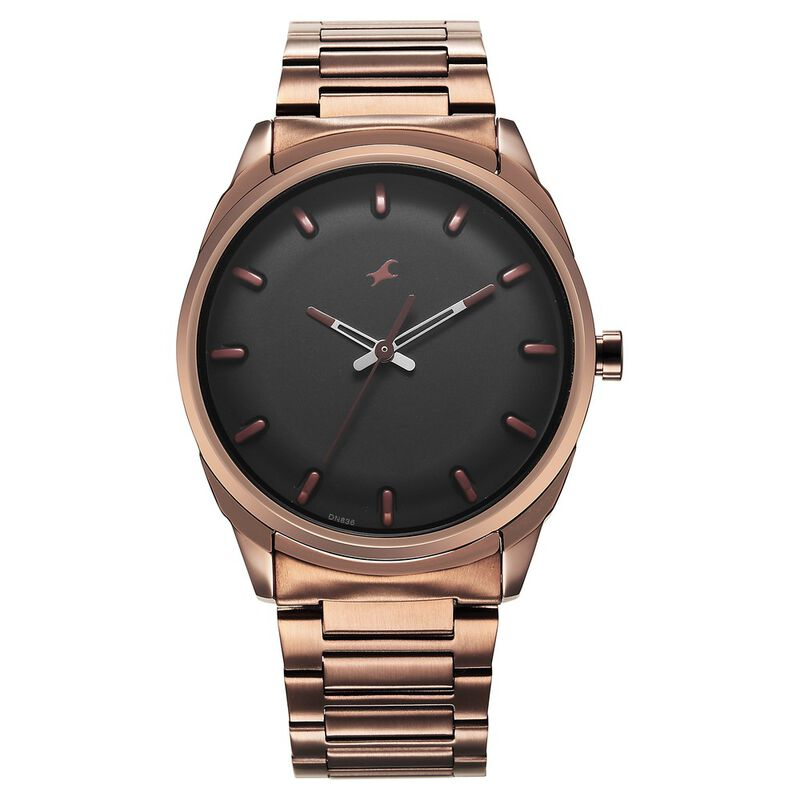
So, take your time, explore different styles, and don’t be afraid to experiment. Explore the diverse collection of casual watches for men at brands like  Fastrack. From classic styles to trendy designs, you’re sure to find a watch that complements your unique personality and keeps you on time for all your daily adventures.

The Rise of Telemedicine Support Assistants: Revolutionizing Healthcare Delivery

0
Portrait Of Smiling Female Doctor Wearing Scrubs In Busy Hospital Corridor Holding Digital Tablet

In today’s dynamic healthcare landscape, the field of healthcare is in a constant state of evolution, with one of the most significant advancements being the integration of telemedicine support assistants (TSAs). These cutting-edge tools are not just reshaping, but revolutionizing the delivery of healthcare services, providing invaluable assistance to healthcare providers and significantly enhancing patient care. This comprehensive piece delves into the responsibilities of TSAs, their numerous advantages, methods of seamless integration, and the vast potential they hold for the future of healthcare.

Understanding Telemedicine Support Assistants

Telemedicine support assistants are software programs that help healthcare professionals manage various clinical responsibilities. By utilizing intelligence (AI) and machine learning (ML), these support aides can handle documentation, arrange appointments, perform initial evaluations, and offer medical guidance following set guidelines.

Critical Benefits of Telemedicine Support Assistants

Enhancing Efficiency and Reducing Administrative Burden

A key benefit of TSAs is their capacity to manage duties. This automation liberates time for healthcare professionals, enabling them to dedicate attention to patient care and intricate medical decision-making. By overseeing tasks like appointment scheduling, patient follow-ups, and data input, TSAs significantly alleviate personnel workload.

Improving Patient Engagement and Satisfaction

TSAs foster a new level of communication between patients and healthcare providers. They offer personalized interactions, address patient inquiries, provide medication reminders, and supply relevant materials. This continuous engagement not only helps in building a stronger patient-provider relationship, but also leads to increased satisfaction and improved health outcomes, making patients feel more involved in their healthcare journey.

Streamlining Clinical Workflows

Through integration with health records (EHR) systems, TSAs ensure seamless information exchange across departments within a healthcare institution. This integration contributes to minimizing errors, enhancing record precision, and guaranteeing access to crucial information. Consequently, clinical processes have become more organized and effective.

Implementation Strategies for Telemedicine Support Assistants

Assessing Organizational Needs

Before implementing TSAs, it’s important to evaluate the healthcare institution’s requirements. This includes understanding how things currently operate, pinpointing areas of difficulty, and identifying where TSAs can make an impact.

Choosing the Right TSA Solution

Choosing the TSA solution involves considering various factors, such as available features, how easily it can be integrated with existing systems, scalability, and cost. It’s crucial to pick a solution that aligns with the organization’s objectives and can be tailored to meet its needs.

Training and Support

The successful implementation of TSAs relies on providing training and support for healthcare personnel. Offering training ensures that staff members can effectively use TSAs, resulting in adoption and improved results. Additionally, continuous support and regular updates are essential for maintaining system operation.

Future Prospects of Telemedicine Support Assistants

Advancements in AI and ML

Advancements in AI and ML are shaping the future of TSAs. As AI and ML technologies progress, TSAs will become more advanced in offering personalized services. With improved natural language processing (NLP) capabilities, TSAs will be better equipped to understand and address patient inquiries effectively.

Integration with Wearable Devices

The integration of TSAs with devices presents an opportunity for real-time health monitoring and data collection. Wearable gadgets can continuously gather health-related information, which TSAs can analyze to provide health advice and interventions. This integration has the potential to enhance healthcare management, leading to patient outcomes.

Expanding Scope of Services

In the coming years, TSAs are expected to broaden their range of services by taking on clinical responsibilities. This may involve assisting in telemedicine consultations, offering decision-making support for diagnoses and treatments, and facilitating remote patient monitoring. As TSAs assume roles within the healthcare system, their importance will likely grow. 

Conclusion

Virtual health assistants are changing the game in healthcare, boosting effectiveness, better engaging patients, and simplifying processes. As they progress, their responsibilities will grow, bringing added advantages to medical professionals and patients. Embracing and successfully integrating virtual health assistants can place healthcare institutions at the forefront of progress, ensuring top-notch care and improved well-being for all involved.

Conflicts: A Major Source of Workplace Hindrance

0

As said by David Allen,” much of the stress that people feel doesn’t come from having too much to do, it comes from not finishing what they’ve started”. Every workplace faces some of the other conflicts, you being an employee must know how to go through it.

Any conflict, be it big or small, becomes a reason for a setback in you or any organization’s work. Unresolved conflict becomes a reason for the negative impact on the leader-employee relationship. If seen at an individual point of view, any conflict may become a reason for his/her stress and low productivity at work. For institutions, departments and team, conflict becomes a reason for slow down at work. There are various instances of conflicts that occur. Reports show that there are 62% cases where people are willing to take legal action regarding employment discrimination. Conflicts and misunderstandings are an avoidable part of any organization, yet people are not having any permanent solution to resolve these issues. It is very evident that these conflicts affect the immune system of any organization, make it weak.

What causes workplace conflict?

  • Poor management practices: Ineffective leadership, lack of direction, or inconsistent decision-making can lead to frustration and conflict among employees.
  • Unfair treatment: When employees perceive favoritism, discrimination, or unequal opportunities within the workplace, it can breed resentment and conflict.
  • Unclear job roles: Ambiguity or overlapping responsibilities can result in confusion and disputes over tasks, accountability, and authority.
  • Inadequate training: Employees may feel ill-equipped to perform their duties effectively, leading to errors, frustration, and conflict with coworkers or supervisors.
  • Poor communication: Miscommunication, lack of transparency, or ineffective channels for sharing information can lead to misunderstandings and conflicts.
  • Negative work environment: Factors such as high stress, low morale, or a lack of support can create a toxic atmosphere that fuels interpersonal conflicts.
  • Lack of equal opportunities: When employees perceive unfair treatment or barriers to advancement based on factors like gender, race, or ethnicity, it can lead to resentment and conflict.
  • Bullying and harassment: Intimidation, verbal abuse, or other forms of mistreatment can create a hostile work environment and lead to conflicts among coworkers.
  • Significant organizational changes: Major shifts in products, organizational structures, performance evaluations, or compensation systems can disrupt workflows and trigger conflicts as employees adjust to new roles or expectations.

Effect of conflicts on Employee and organization 

When seen from an employee’s perspective, if any negative discussion or a hot talk remains unresolved, they face depression, dissatisfaction and general unhappiness. They face aggression, violence and end up resigning the job sometimes. Any hostile environment may lead to many psychological responses in an employee. Some of them are as follows-

Conflicts: A Major Source of Workplace Hindrance
  • Low motivation: a conflict arises due to variation in ideas of the two parties. An employee often feels demotivated and stressful after an argument. They show low-quality work and devalue their work. Their level of commitment to work reduces.
  • Job dissatisfaction: You get dissatisfied if things don’t work your way. You find your work to be disturbing you and reason to get you in the grievance.
  • Frustration: an employee who is under continuous scolding is surely to go through frustration. Increased level of workload makes an employee tensed and piled up with pressure.
  • Forceful resignation: the result of all these conflicts which don’t find any solution to deal with results in resignation by employees even when they don’t want to.

All these factors become a reason for low productivity exhibited by the workers of any organization. This brings a setback in the company’s growth. Cliques and rumours waste Time and resources. Employees try to avoid coming to offices as they find it negative and the reason that gives them tension. The organization faces high employee turnover as people leave the organization more often.

A closer look at conflicts

Increase In conflict whether emotional or task-related deteriorate the performance of any organization. The recent research has indicated that workplace conflicts have large negative impacts on the organization. Any conflict with dismissal damages a staff who can immediately seek legal and judicial aid. If it is proved that the decision is unlawful at the organization’s end, a huge amount of fund would be lost as a result of court fee. As a whole, the company’s value would and name would go down in the market. It brings disgrace to the organisation. Workers don’t join such organisations. Any unresolved conflict starts with stressing up the worker, making him/her show degeneration in performance; this, in turn, would affect the company and it may have to face an unimaginable amount of loss.

Shocking facts about workplace stress-

  • 1000000 employees miss work each day because of stress. That’s a huge number if seen on a global level. How much amount of work gets late that otherwise would have been on time?
  • Stressed employees spend 46% more on healthcare as compared to other health workers.
  • According to a survey by Integra, nearly, 3 out of 10 workers are stressed due to reporting conflicts problems.
  • A recent study by the American Psychological Association revealed that more than half of the workers feel as though their employers aren’t doing a good job of ensuring work-life balance. A report by Heath Advocate shows that stress has a profoundly negative impact on worker productivity to the tune of $300 billion each year

Oxford University’s study

Conflicts: A Major Source of Workplace Hindrance

Work-related stress is a complex phenomenon that affects both health of the worker and organizational productivity. That’s why considerable attention must be paid on the identification of work environment characteristics that may trigger psychological, physical or behavioural response, often termed as stressors. According to oxford university, workplace stress plays a huge role in the atmosphere of the family and home of an employee.

  • An employee who had a hot talk at the office when returns back home are stressed and disturbed. At times, this becomes the main reason for conflicts arising between husband and wife. The overall environment of the house finds to be negative.
  • The study shows that this family-related issue differs by gender differences too. Males and females are seen to have a different approach towards this work-related stress.
  • Women are observed to face multiple-personality roles. They can’t carry out their household and professional work aptly. They are the ones to suffer from both the sides, the workload as well as the household load.
  • Work to family conflict occurs when efforts to fulfil the demands of the employee role interfere with the ability to fulfil the demands of the roles as spouse, parent or care-taker.
  • People usually find out measures to forget about these tensions for time being. Hence, at times they sought to means like alcohol or smoking which are highly injurious to health.

Following the words of Bruce Lee, “it is not a daily increase, but a daily decrease. Hack away at the essentials”. Get back to work at the soonest and with your utmost credibility.

The significance of the Ecological Pyramids in Ecosystems

0
Ecological pyramid
Woman's hands holding tree. Ecological concept.

A graphic depiction of the interactions between various creatures in an ecosystem is called an ecological pyramid. The Eltonian Pyramids, named after Charles Elton, are another name for them. The trophic levels represented by each of the horizontal bars that make up the pyramid are different, and their arrangement—which is determined by who eats whom—represents the flow of energy.

Energy Flow in An Ecosystem is governed by the following laws:

Ecological pyramid
Picturesque view on natural earth pyramids in autumn season

Energy cannot be generated or destroyed, according to the First Law of Thermodynamics, but it can be changed from one form to another.

The Second Law of Thermodynamics asserts that the amount of available energy rapidly decreases with each subsequent energy transfer in a system.

As an example, during the movement of food energy throughout an ecosystem, a significant portion is lost as heat as a result of metabolic processes. Only a limited portion is stored in biomass or living tissues.

Three types of ecological pyramids exist in nature-

1) Numbers

2) Biomass

3) Energy

Of which all are upright without any exceptions as energy flow in all the ecosystems follows the 10% law of energy at each stage.

Pyramid of Numbers

Ecological pyramid
Ecology

The population density at each trophic level is represented by the pyramid of numbers. Let’s say that each day, an ecosystem obtains 1000 calories of light energy. Only 100 of the 1000 calories are retained as energy-rich materials since the majority of the energy is not absorbed, some of it is reflected in space, only a small portion is used by green plants, and of those, the plant uses up some for respiration. Now imagine that a deer or another animal consumes the plant that has 100 calories of dietary energy. A portion of it is used by the deer for metabolism, and just 10 calories are stored as food energy. Even less energy is gained by a lion that consumes the deer. Thus, from sunlight to producer to herbivore to carnivore, useful energy diminishes. The energy pyramid will always be upright as a result.

The number pyramid is typically upright, with the exception of some circumstances like the detritus food chain, in which numerous species consume a single dead plant or animal. Elton came up with the phrase “Pyramid of numbers” for the first time in 1972.

Because of food waste during eating, digestion, and finally, the utilization of food for respiration and physical activity, the population of people living in higher tropics typically continues to decline.

The pyramid of numbers has certain limits, though, since it doesn’t account for the precise population. As a result, it is unable to fully describe the trophic structure of a system, overlooks species biomass, and obscures the flow of energy between individuals. Number pyramids are not particularly useful since they do not provide a clear or accurate representation of the food chain.

Pyramid of Biomass

Ecological pyramid
Planet , Earth day , ecology

Indicating the total mass of organisms at a certain trophic level, biomass is the amount of living material per unit area present in an individual or a group of individuals at a given trophic level. Each level of this specific ecological pyramid considers the amount of biomass that each trophic level produces. With the exception of what is seen in oceans, where numerous zooplanktons depend on a relatively small number of phytoplanktons, the biomass pyramid is also vertical.

The pyramid typically starts out larger at the base and gets smaller as it rises. A rise in trophic levels invariably results in a decrease in biomass. Approximately 10 and 20 percent of the biomass is transferred from one trophic level to another.

Inverted and upright pyramids are the two forms of biomass pyramids. One is the aquatic ecology, where microscopic phytoplanktons with a very high number but very little biomass serve as producers.

The terrestrial environment is represented by the upright pyramid. The smallest trophic levels are found at the top, and it has a broad base made up primarily of primary eaters.

The advantage of this pyramid is that it shows the amount of energy at each trophic level precisely. When there is a drop in biomass and a rise in trophic levels, it shows waste and consumption of biomass at every transfer level. This pyramid has the advantage of accurately depicting the quantity of energy present at each trophic level. It indicates waste and consumption of biomass at every transfer level when there is a decrease in biomass and an increase in trophic levels. However, there are certain constraints that surround this pyramid as well, such as the fact that it is actually difficult to quantify the mass of every single person. Since only a sample is taken, mistakes might occur, and various species have distinct breeding seasons.

Pyramid of Energy

Ecological pyramid
Teacher and kids school learning ecology gardening

The transfer of energy from producers to consumers is depicted by the upright pyramid known as the “pyramid of energy.” It reveals the actual part different species actually play in the flow of energy. Energy pyramids show how much energy is needed as it moves up the trophic levels. Since energy transmission in a food chain is always unidirectional, the pyramid of energy is the only sort of ecological pyramid that is always upright. Also, some energy is lost to the environment at each higher trophic level. This energy pyramid is based on Lindemann’s idea of the movement of energy in a food chain.

The energy is highest at the producer level and gradually decreases as it moves to the subsequent levels, including herbivores (primary consumers), carnivores (secondary, tertiary consumers)

How Ecological Pyramids Help in understanding the Environment

In addition to displaying the eating habits of creatures in various environments, an ecological pyramid can also demonstrate the inefficiency of energy transfer and the effects that changes in the population of one trophic level might have on the trophic levels above and below it.

Second, it is beneficial to see how the organisms are affected by environmental changes.

Additionally, it aids the government in taking the required actions to protect ecosystems from harm and perhaps even undo some of the current harm.

25 Most Unusual Musical Instruments Worth Learning in 2025

0
Male Teenage Pupil Playing Drums In Music Lesson

Unusual music instruments—in your opinion what kind of instruments will this be including? The most unusual thing about any musical instrument is the way they are designed, the way it is played, its size, its origin and how it supports its culture. Music is a way of life now, there are numerous musical instruments which have lost their way in the world because of modernity or due to another unwanted aspect of the world. But there are still some obsolete places in the world where they are still nurtured and appreciated. Let’s celebrate the art of music by understanding and learning about those peculiar instruments of the world.

Here, we have come of the top instruments from all around the world that are worth learning:  

Rindik Bunga Xylophone

Just a Xylophone! Well, you may have guessed it wrong because this one contains resonance chambers made from naturally carved gourds and beautifully painted from the outside by craftsmen! Rindik here is a Balinese word whose literal meaning is tool, Bunga means “strong connection” but can also be relevant to the Bunga deity that was worshipped throughout Asia.

This is among those instruments that are rare to find a rare to find, if you are passionate about music this is the instrument for you! The Rindik Xylophone is played by use of the beaters which simply struck each note to a melody. Alternatively, you can beat multiple notes at a time to play a chord similar to any other instrument. The Rindik Bunga is suited to many styles, and can even be used for orchestra-style music.

Koto

The national instrument of Japan, the Koto, is a half-tube zephyr instrument. The koto instrument, typically made from Paulownia wood, was designed with 13 strings and numerous moving bridges. However, they do have 17 strings in some cases. In this, musicians tend to pluck three strings to make melodies. The koto is an important symbol of Japanese identity and has been popular in Japanese musical history for ensemble, chamber, and solo repertoires.

Veena

The classical Indian musical instrument is also one of the oldest musical instruments mentioned in Indian literature. “Veena” that literally means “stringed instrument.” This is a chordophone instrument that is used for the lute and the arched harp. It is typically made from wood, with a hollow body, four melodic strings and three auxiliary strings and is played with a mixture of plucking and strumming motions. However, more modern models are made from fibreglass. It can produce sounds on a three-octave range and is usually made from gourd or jackwood.

Yangqin

The Yangqin, a Chinese hammered dulcimer, is an instrument that will remind readers of a much larger, more complex xylophone. The instrument is played using a beater or hammer to play notes traditionally with bronze or silk strings to play this instrument. Yangqin is also popular in Pakistan, India and Iraq. It is used both as a solo instrument and in ensembles, and to draw different tones a professional musician often carries several sets of beaters.

Suona

Suona is a traditional Chinese double-reed woodwind instrument known for its loud and penetrating sound. The Suona, also known as a Lada or Haidi, is typically formed from brass or copper and can produce a distinctive high-pitched and loud sound. This instrument is suitable for Chinese folk music and military purposes. It is also used in combination with other instruments like gongs, drums, etc.

Sitar

The sitar is a plucked stringed instrument known for its use in Hindustani classical music and originates from the Indian subcontinent. Invented in medieval India, the sitar has a deep, pear-shaped gourd body, a long, wide, hollow wooden neck, and both front and side tuning pegs. This instrument from India typically features 20 arched movable frets, with usually five melody strings, one or two drone strings, and up to 13 sympathetic strings beneath the frets that resonate with the notes of the raga being played. An interesting fact to note, the word “sitar” comes from the Persian word “sehtar,” meaning “three-stringed.” In today, fast pace it is extraordinary to connect to your roots and somehow search for tranquillity in this music. 

Theremin

The theremin is an extraordinary instrument that is played without ever touching it! It is one of the oldest electronic instruments and was invented in Russia in 1920. It has two antennas: one to control the pitch of the note and the other to control the volume. This instrument creates an otherworldly sound and people prefer it for the production of spooky music videos or sounds.

Tambura

The Tambura, commonly known as tanpura, is a long-necked string instrument from India, that is similar in shape to a lute or a banjo. This instrument is somewhat similar to bass as it supports the vocalists by producing drones or harmonies instead of melodies, that support the vocalist in musical performances. This instrument has four strings, no frets and usually has metal strings.

Shipibo Shaker

A Shipibo Shaker is a tribal shaker from South America, which is specifically made in the Shipibo region. Each instrument is handmade by the Panoan people of Peru living near the Ucayali River valley. It has been getting famous over the past few years, and it comes down to the unique designs of animals, hummingbirds, and abstract designs as well as the natural sustainability of this shaker.

Hardingfele

The Norwegian instrument the Hardingfele is similar to a violin, but it has 4 of 5 strings. Four of the strings are played like a violin, while the rest, known as understrings or sympathetic strings, resonate under the influence of the other four. The main difference between it and the standard violin is that Hardingfele produces more echo. It is mainly utilised in Scandinavian folk music, but it is popular in the United States as well.

Shakuhachi

The traditional Japanese musical instrument is an end-blown flute which is made of bamboo. It was derived from Chinese flutes but later developed in Japan in the 16th century. This instrument is tuned to the minor pentatonic scale and is considered superior in tonal quality and volume to other flutes of the region. The shakuhachi plays a central role in solo and ensemble settings, particularly in traditional and contemporary Japanese music.

Bouzouki Musical Instrument

The bouzouki is a stringed instrument from Greece that has a very distinctive sound and is a member of the long-necked lute family. It has often been used in traditional Greek music, but it has also been adapted to other styles of music. The bouzouki has steel strings and is played with a plectrum, producing a sharp metallic sound. There are two main types of Greek bouzouki: the trichordo, three courses,  has three pairs of strings, and the tetrachordo, four courses, has four pairs of strings.

Shamanic Drum

Shamanic drums are popular all over the world and whilst ours are made in Indonesia, they can also be found throughout Australia. A shaman means ‘one who knows’ and it is someone who performs a function based on their religious beliefs and cultures. The shamanic drum is suited to rituals, spiritual healing and gatherings around the fire. It can also be used in dance, for birthing or to improve sleep. The beating of drums will take you on a music journey. If the drum is used correctly, it can put you in a trance-like state and can have many health benefits. These include healing, leading a sacrifice, fortune telling and preserving the historic tradition through storytelling and music. These drums come plain, painted or in a tribal style along with a rustic wooden drum beater.

Chapman Stick

Another instrument that appears alike a guitar but gives a whole new level to music and culture, is the Chapman Stick. The main distinction between a Chapman Stick and a Guitar is that it has ten strings instead of six. The instrument got its name from the inventor, Emmett Chapman. Some models may also have 8 and 12 strings. The process of playing is very simple, and you just need to tap on the strings. The modulation of strings is the same as for standard guitar.

Balalaika

The national instrument in Russia, which belongs to the lute family, is also a symbol of the country’s music culture. Among other features, its characteristic shape is a contributing factor to being on the list of unusual instruments. Its hollow-triangular body, where holds three strings and a fretted neck. Its contemporary form features six varieties, each offering a different pitch. The highest pitch generates from the Piccolo while the lowest is the Contrabass. Other similar instruments include the Bass, Alto, Secunda and Prima Balalaikas.

Duduk

The duduk, also known as the Armenian oboe is one of the most ancient double reed instruments. Originally, it is made with materials such as bone, contemporary models use wood from Apricot trees. To be honest, its name means apricot tree pipe. Over the centuries, it has won the hearts of music lovers beyond Armenia. As a result, it has travelled the world. Structured as a long cane with holes along its length and a mouthpiece on one end. Additionally, it has a wooden body, giving it a unique ability to resonate, unlike most flutes.

Djembe

Originating in Africa, the djembe is a goblet-shaped percussion instrument. Dated back in the 12th century, its inventors were the Mandinke tribe of Mali, West Africa. Not only is it unusual and unique, but this drum holds the potential for a rich musical experience. It is one of the most versatile drums of all time that offers a wide range of sounds, which are remarkably loud. The sound varies according to the density of wood, shape and proportions as well as drumming style.

Pan Flute

I reckon we all are pretty much familiar with Peter Pan, in which case, then you might know something about the pan flute played by Peter Pan. It consists of several pipes of varying lengths joined one to another in a row. Originally, it was a product of ancient Greece, but in modern times, there are different variations of the flute in various cultures around the world. During a performance, the musician will blow across the tops of these pipes while blocking some of them. Each of the pipes offers a different note and the result is fascinating.

Vielle

The Vielle is one of the most intriguing exotic musical instruments which resembles to modern-day violin. This bowed-string instrument appeared on the scene in the 10th century. It is typically oval oval-shaped instrument which sometimes takes the shape of eight. It sports between three and five strings and a pegbox resembling a leaf and pegs that tune from the front. There is a clear distinction between the vielle and the violin, that the former is longer and deeper. This creates a clear difference in the musical output between the two. Though it was most popular in medieval times, however, we can still see that it holds remarkable acoustic appeal for the music enthusiast.

Stylophone

Another super unique and unusual modern musical instrument, is the Stylophone! It is like a pocket-size box which produces vibrant synth music. The way of playing a Stylophone is also distinctive. Firstly, you will need a metal stylus and you touch it around the metal keyboard located on the device. As the metal touches each other there comes the synth music. You can also drag it around along the keyboard to create different kinds of pitches.

Tabla

Tabla appears more like hand-resting drums from India, where one is smaller than the other. These two drums are called the Dayan (right-hand drum) and the Bayan (left-hand drum). These are commonly made of wood, clay or metal, and the smaller drum is used to create tonal and treble sounds, whereas the bigger drum acts as the bass drum. These are often personalised with rings and wooden dowels, which can help adjust the tone of the drums.

Cimbalom Musical Instrument

Originating in Hungary during the Middle Ages, the Cimbalom is played by striking two cotton-tipped mallets on the strings. Cimbalom creates a distinctive percussive sound similar to a harpsichord. The Cimbalom resembles the inside of a baby grand piano. It has over 125 strings stretched around the length of a wooden box resting on four legs.

Hydraulophone

Hydraulophone uniquely creates sound using water vibrations to produce a variety of relaxing sounds. It is played by pressing on jets of water laid out to a musical scale. Covering a hole directs the water to a sound-producing mechanism, creating a note. However, it is not that easy to build such an instrument, but you can always get a chance to play it if you ever visit the Science Center in Ontario, Aquarium in Florida, Legoland in California, and a few other places.

Ocarina

An exotic musical instrument Ocarina is one of the most popular instruments which appears similar to the flute. It has been used for more than 12,000 years by the Incas, Mayas, and Aztecs. While it is widely popular in South America, many people in Japan and Europe have also been using Ocarina for a long time. This instrument comes in various shapes, and it can produce a sound similar to a flute.

Xun

The Xun is an egg-shaped instrument traditionally made from clay and has been present in Chinese culture for over 7,000 years. Surprisingly, this oddly shaped instrument is played like a flute, with a blowhole at the top and six finger holes around the instrument’s body. In the early days, this instrument was used to play ambient music in palaces.

Among all the unusual and surprisingly beautiful instruments of the world which one would you prefer to learn? 

If you think it’s too late to learn now! Then, you couldn’t be more wrong. It is never too late. If you get a chance, go ahead with it. Preferably, the most common instruments to get your hands on are Tabla, Stylophone, Chapman Stick, Tambura and many more. Go where your passion for music takes you. Leap ahead with the sound. 

Is Your Lifestyle Nurturing Your Mental Health?

0
Mental health stress
mental health

In the hustle of everyday life, it’s easy to overlook the subtle ways our environment and lifestyle impact our mental well-being. For women, who often juggle multiple roles and responsibilities, it becomes even more crucial to cultivate a lifestyle conducive to physical health but also mental and emotional balance. Keep reading to learn how mindful living can significantly increase emotional health and overall quality of life, providing practical tips and insights tailored for women who value their well-being.

The Core of Mindful Living: Understanding Its Impact

Mental health concept

Mindful living is about more than just occasional meditation or yoga sessions; it’s a comprehensive approach that integrates mindfulness into every aspect of life. This means being consciously present in the moment, aware of your thoughts and actions, and making intentional choices that align with your inner values and needs. For women, this can translate into better stress management, enhanced decision-making, and increased emotional resilience—key components in leading a balanced and fulfilling life.

Supporting Loved Ones

One of the most challenging aspects of mindful living can be dealing with loved ones who are struggling, particularly with issues like addiction. Understanding how to approach and support someone who is battling an addiction requires empathy, patience, and a lot of love. Communication is vital—keeping an open and non-judgmental dialogue can help your loved one feel supported and less isolated. Whether you’re helping a loved one with addiction, caregiving someone with an illness, or other circumstances, you must emphasize the importance of caring without enabling and the power of seeking professional help when needed.

Daily Habits That Foster Mindfulness

Integrating mindfulness into daily routines can dramatically transform the quality of your life. Simple practices like mindful eating, where you savor each bite while you appreciate the flavors and textures, or mindful walking, where you fully absorb the sights and sounds around you, can help center your thoughts and reduce anxiety. Additionally, setting aside a few minutes each day for meditation or journaling can help you connect with your thoughts and feelings, allowing for a deeper understanding of your needs and aspirations.

Creating Mindful Spaces for Improving Mental Health

Bearded male meditating in nature; mindful living

The spaces we inhabit significantly influence our mental and emotional health. Creating a mindful home means organizing and decorating your living space to promote peace and reduce stress. This involves decluttering, which not only clears physical space but also mental space, and using colors and textures that evoke tranquility and comfort. Consider incorporating elements like soft lighting, comfortable seating areas, and personal items that inspire joy and relaxation. A dedicated nook for meditation or reading can serve as a personal retreat, helping you disconnect from daily stresses and reconnect with yourself.

Nurturing Relationships through Mindful Communication

Mindful living extends beyond personal habits and home environments—it also encompasses how we interact with others. For women, nurturing relationships through mindful communication can lead to more meaningful connections and less conflict. This involves actively listening, speaking honestly but compassionately, and being present during interactions. By practicing these communication skills, you can build stronger bonds with friends, family, and even colleagues, creating a supportive network that enhances personal and communal well-being.

Specialized Support

Support of mental health professional

For those dealing with severe challenges like addiction, specialized support may be necessary to fully embrace a mindful lifestyle. Residential rehab for women is designed to address the unique psychological, emotional, and social factors that affect women. These facilities provide a safe, nurturing environment where women can focus on their recovery without the distractions and triggers of their daily environment. Programs typically offer a combination of therapy, support groups, and wellness activities that promote holistic healing and long-lasting sobriety. With nearly twenty percent of American adults battling some form of addiction, it’s clear that specialized support plays an essential role in nurturing mental health and overall wellness.

Embracing a Holistic Approach to Well-being

Mindful living is a transformative approach that enhances every facet of life. By adopting mindfulness practices, creating supportive environments, nurturing relationships, and seeking appropriate help when needed, women can achieve a healthier, more balanced lifestyle. The journey to mindfulness is personal and ongoing, but the benefits it brings—increased clarity, calm, and connection—are well worth the effort. Embracing this holistic approach allows women to not only survive but thrive in their daily lives, fostering resilience and joy in themselves and those around them.

From Necklaces to Bracelets: The Evolution of Mangalsutras

0
necklace on the neck of bride
Beautiful necklace on the neck of bride.

Across India and beyond, the tradition of the mangalsutra holds deep significance within Hindu marriages. This sacred necklace, a symbol of love, commitment, and the well-being of the husband, has been a necessary part of wedding ceremonies for centuries. Yet, as times change and personal tastes evolve, the mangalsutra is gracefully embracing modernity, leading to stunning innovations like the mangalsutra bracelet.

Origins and Traditions of the Mangalsutra

The word “mangalsutra,” born from the ancient language of Sanskrit, translates to “auspicious thread.”  This thread is imbued with deep meaning. During a Hindu wedding ceremony, as vows are exchanged, the groom ties the mangalsutra around his bride’s neck. It’s a pivotal moment, signifying their lifelong union, a promise to protect, and a beacon of good fortune for their journey together. The traditional design, featuring black beads strung on a gold chain, carries its own symbolism – the black beads ward off negativity, and the gold represents prosperity and the sun’s life-giving energy.

Transition to Modern Designs

Time and evolving tastes have ushered in remarkable changes in mangalsutra designs. While the core significance remains untouched, contemporary women embrace the symbolism in fresh and personalised styles, like mangalsutra bracelets. Sleek chains, delicate pendants, and even solitaire diamonds now find their place amidst the traditional black beads. These modern iterations honour the spirit of the mangalsutra while blending seamlessly with everyday wear and a woman’s unique sense of style.

Today, modern brides are embracing a stunning array of choices, each reflecting their unique personalities. Here are some of the popular trends:

Minimalist Mangalsutras

From Necklaces to Bracelets: The Evolution of Mangalsutras

Source: Mia by Tanishq

For the woman who loves understated elegance, sleek gold chains with delicate pendants or single black beads are a perfect choice. These contemporary designs are lightweight and easy to wear every day, seamlessly integrating into modern lifestyles.

Designer Mangalsutras

From Necklaces to Bracelets: The Evolution of Mangalsutras

Source: Mia by Tanishq

These mangalsutra bracelets are for the bride who desires a touch of glamour, intricate goldwork with precious stones like diamonds to add a touch of sophistication. These designer mangalsutras are more personalised pieces elevating any bridal trousseau. Moreover, they reflect the growing desire for personalisation and self-expression in wedding attire.

The Rising Trend of the Mangalsutra Bracelet

One of the most beautiful modern evolutions is the mangalsutra bracelet. Imagine the traditional black beads and gold elements reimagined as a delicate and stylish bracelet. This innovative adaptation offers several advantages:

  • Comfort and Convenience: A bracelet offers more day-to-day ease for women who lead active lifestyles or work in fields where a necklace might be impractical.
  • Versatility: Mangalsutra bracelets blend effortlessly with both traditional and modern attire. They can easily go from office wear to a special night out.
  • Style Statement: These mangalsutra bracelets add a touch of sophisticated elegance and make a powerful statement about your values and heritage.

The growing popularity of the mangalsutra bracelet is about women embracing meaningful traditions in a way that suits their lives and reflects their personalities.

Your Story, Your Style: The Mangalsutra Bracelet

The evolution of the mangalsutra – from its traditional roots to the graceful mangalsutra bracelet – is a testament to the enduring spirit of cultural symbols. It speaks to the heart’s desire to preserve tradition while adapting it to suit changing needs. 

The mangalsutra bracelet represents a beautiful harmony between heritage and personal style. Whether a woman chooses a classic necklace or a contemporary bracelet, the mangalsutra’s essence remains the same – a symbol of an extraordinary bond.

If you long to honour tradition with a touch of modern flair, consider exploring Mia by Tanishq’s exquisite collection of mangalsutra bracelets. These pieces seamlessly blend the sacred symbolism of the past with the elegance of the present.

From Salt Intake to Hydration: Lifestyle Factors That Affect Kidney Function

0
Kidneys on a light background, for National Kidney Health Month.
Kidneys on a light background, for National Kidney Month.

Introduction

Kidney health is vital for the overall well-being of the body, yet it often receives less attention than other aspects of health. The kidneys fulfil a vital function by filtering out waste substances and surplus fluids from the bloodstream, regulating blood pressure, and preserving electrolytes function. When kidney function is compromised, it can lead to serious health problems. In this blog, we’ll explore the importance of kidney health, factors affecting kidney function, the impact of salt intake and hydration on kidney health, kidney function test results, lifestyle changes to improve kidney health, and conclude with key takeaways for maintaining optimal kidney function.

Importance of Kidney Health

Kidney function, Chronic kidney disease ckd, Doctor with human model to study and treat in hospital.
Kidney disease, Chronic kidney disease ckd, Doctor with human model to study and treat in hospital.

The kidneys are essential organs responsible for filtering waste products and excess fluids from the blood to produce urine. They also help balance electrolyte levels, control blood pressure, and stimulate the production of red blood cells. Healthy kidneys are crucial for maintaining overall health and preventing various health problems, including kidney disease, hypertension, and cardiovascular disease.

Factors That Affect Kidney Function

Several factors can affect kidney function, including:

Diet: Consuming a diet high in salt, processed foods, and sugar can strain the kidneys and increase the risk of kidney disease.

Hydration: Dehydration can impair kidney function by reducing blood flow to the kidneys and slowing down the filtration process.

Smoking: Smoking can lead to kidney damage by damaging the blood vessels and reducing the blood flow to the kidneys.

Alcohol Consumption: Excessive alcohol consumption can increase blood pressure and cause dehydration, both of which can harm kidney function.

Lack of Physical Activity: Sedentary lifestyle habits can contribute to obesity and hypertension, which are risk factors for kidney disease.

Impact of Salt Intake on Kidney Health

High salt intake can increase blood pressure and strain the kidneys by causing them to retain water. This extra workload can lead to kidney damage over time and increase the risk of developing kidney disease. Reducing salt intake can help lower blood pressure and protect kidney health.

Hydration and Kidney Function

Body Hydration Concept. Closeup Of Black Millennial Female Enjoying Mineral Water

Staying hydrated is essential for kidney health as it helps maintain proper blood flow to the kidneys and supports the filtration process. Dehydration can lead to decreased kidney function and increase the risk of kidney stones and urinary tract infections. Drinking an adequate amount of water throughout the day is crucial for supporting kidney function and overall health.

Understanding Kidney Function Test Results

Kidney function tests are a group of laboratory tests that are commonly used to assess the health and functionality of the kidneys. These kidney function tests can be done at home and they provide valuable information about how well the kidneys are filtering waste products from the blood and maintaining electrolyte balance.

Kidney Function Test Parameters

There are two main types of kidney function tests: blood tests and urine tests:

Blood Tests

Blood Urea Nitrogen (BUN): Measures the level of nitrogen in the blood derived from the breakdown of protein. Elevated BUN levels may be a sign of poor kidney function.

Estimated Glomerular Filtration Rate (eGFR): This parameter is calculated based on serum creatinine levels, age, gender, size, and race of a person. A low eGFR value suggests decreased kidney function.

Serum Creatinine: Measures the concentration of creatinine, a waste product from muscle metabolism, in the blood. Elevated creatinine levels can indicate kidney dysfunction.

Urine Tests

Urine albumin: Detects the presence of albumin, a protein, in the urine. Increased levels of microalbumin may signal early kidney damage.

Urinalysis: Evaluates various parameters of urine, including colour, clarity, pH, protein, glucose, and the presence of blood cells or casts.

Results and Follow-Up

Interpreting kidney function test results requires an understanding of the normal reference ranges for each parameter. Abnormal test results may indicate kidney dysfunction or underlying health conditions such as kidney disease, diabetes, or hypertension.

GFR

A GFR of 60 and above is considered to be in the normal range, while a GFR below 60 mL/min/1.73m² may indicate reduced kidney function. GFR below 15 mL/min/1.73m² suggests kidney failure and the individual may need dialysis or a kidney transplant.

Urine Albumin-to-Creatinine Ratio (UACR)

The UACR test compares the level of albumin in urine against the level of creatinine in urine. A ratio exceeding 30 mg per gram may indicate kidney disease or renal damage. If kidney function test results are abnormal, further evaluation and follow-up with a healthcare provider are necessary.

Lifestyle Changes to Improve Kidney Health

Making lifestyle changes can help improve kidney health and reduce the risk of kidney disease. Some tips for improving kidney health include:

  • Follow a balanced diet low in salt, processed foods, and added sugars.
  • Drink plenty of water and fluids to maintain hydration in your body.
  • Avoid cigarette smoking as well as exposure to secondhand smoke.
  • Limit the use of alcohol and avoid binge drinking.
  • Exercise regularly to achieve healthy body weight and blood pressure.

Conclusion

Optimal kidney function promotes overall well-being and longevity. By understanding the importance of kidney health, identifying factors that affect kidney function, making dietary and lifestyle changes to support kidney health, and monitoring kidney function through regular testing, one can take proactive steps to protect their kidneys and prevent kidney disease. It’s never too late to start prioritising kidney health and make positive changes for a healthier future.

Just Graduated from Rehab: Now What?

0
Seeking new light post rehab

Congratulations! You’ve taken a brave and crucial step by completing your rehabilitation program. As the door to your treatment facility closes behind you, a new chapter of your life awaits. But what does that chapter entail? Transitioning from the structured and routined environment of rehab to the everyday world can be daunting, but it’s also filled with opportunities for growth and stability. This guide will help you navigate the path ahead, offering insights and practical advice to maintain your sobriety and embrace a fulfilling life post-rehab.

Building Your Support Network

The importance of a robust support network cannot be overstated as you embark on your post-rehab journey. Surrounding yourself with positive influences is critical to your continued recovery. Start by reconnecting with family and friends who are supportive of your new lifestyle. It’s important to communicate openly with them about your needs and boundaries.

family after rehab
family after rehab

Consider joining support groups like Alcoholics Anonymous (AA) or Narcotics Anonymous (NA). These groups provide a platform to meet others who are also on their recovery journey, offering an environment of mutual understanding and support. Another helpful resource could be a recovery coach or a therapist specializing in addiction, who can provide personalized guidance and support.

If you find it challenging to build a support network, or if you’re concerned about a loved one with addiction, remember that professional help is always available. Reaching out can make all the difference.

Managing Daily Stresses Without Substances After Rehab

One of the most significant challenges after rehab is learning to manage daily stresses without turning to substances. The skills you learned in therapy are now tools in your everyday arsenal to combat potential triggers. Practice mindfulness and relaxation techniques such as deep breathing, meditation, or yoga. These can help maintain your calm and keep cravings at bay.

Establishing a daily routine can also provide the structure and order that was present in rehab. Schedule your day with meaningful activities, including work, exercise, hobbies, and social interactions. Keeping busy and having a routine reduces idle time, which can lead to temptation.

It’s also helpful to set realistic goals for yourself. Whether these goals are related to your career, education, or personal life, achieving them can provide a sense of purpose and accomplishment, which is incredibly beneficial for your mental health and sobriety.

Embracing New Hobbies and Interests

Finding new hobbies and interests is a vital part of recovery, as it helps to replace old habits with positive ones. Take part in activities that bring joy and relaxation without the risk of triggering a relapse. This could be anything from art and music to sports and gardening. Not only do these activities occupy your time constructively, but they also provide opportunities to meet new people and expand your social circle beyond the usual environments that may pose a risk to your sobriety.

Art therapy for mental health recovery, Making Art Helps Improve Mental Health. Creativity and

Learning new skills can boost your self-esteem and make your confidence skyrocket, which are often compromised by addiction. Community colleges and local workshops offer classes that can help you explore different interests in a supportive and structured setting. As you discover what you love to do, you’ll naturally gravitate towards a community that shares the same passions, further enhancing your support system.

By focusing on what makes you feel fulfilled and balanced, you pave the way for a life that is not only sober but also rich and rewarding.

The Role of Nutrition and Physical Health in Recovery

Maintaining physical health is a cornerstone of successful recovery. Nutrition plays a critical role, as a well-balanced diet can help repair the body and improve mood and energy levels. Focus on a diet that is rich in veggies, fruits, lean proteins, and whole grains. These types of food can help stabilize blood sugar levels, which is important because fluctuations can trigger mood swings and cravings.

Regular and consistent physical activity is just as important because it helps reduce your stress and anxiety, which are common triggers for relapse. You don’t need to engage in intense workouts; even daily walks or light jogging can provide significant benefits. Joining a gym or a sports club can also connect you with others who are focused on healthy living.

Navigating Relationships After Rehab

Post-rehab, you might find that some relationships support your sobriety while others challenge it. It’s crucial to evaluate your relationships and recognize which ones are healthy and which ones may lead you back into old habits. This might mean setting boundaries with or even distancing yourself from certain friends or acquaintances.

As you forge new relationships, prioritize connections with individuals who respect and support your journey to stay sober. This could mean spending more time with family members who are positive influences or making new friends at support meetings or through new activities and hobbies.

Being open about your recovery journey can also attract support from unlikely places. Honesty about your struggles and achievements builds trust and can create deeper, more meaningful connections.

Why Traveling for Sober Living Homes Matters

Choosing a sober living home can be a pivotal decision in your recovery journey. Sober living environments provide a supportive community where you can continue to grow in your sobriety with others who share similar goals. While there are many options across the country, from New York to Los Angeles and Chicago to Miami, sometimes the best choice involves traveling away from your current environment.

Little Dog With Family

Traveling to a new city for a sober living home can offer a fresh start away from old triggers and routines. It can also provide the opportunity to establish oneself in a supportive and structured environment that prioritizes recovery. In cities like Denver, Seattle, or a Santa Ana sober living home, residents find communities that are invested in their recovery, offering both the camaraderie and structure needed to sustain long-term sobriety.

The significance of choosing the right sober living home cannot be understated. It is not just about staying sober; it’s about building a life worth living. Residents often gain new skills, form lasting friendships, and establish a new foundation for their lives, all within the safety and support of the sober living community.

Completing rehab is an incredible accomplishment, but it’s just the beginning of your journey to recovery. Remember, every step you take post-rehab is a step towards a healthier, more fulfilled life. With the right tools and support, you can build a life that you are proud to live, one day at a time.