



When exams are getting close, a kind of chaos sets in. Your syllabus looks long and all the chapters you said you would finish the next day start to pile up. Then your phone becomes really interesting the moment you open a book. Then you make the promise to yourself: From tomorrow, I will really start studying. The next day arrives. You study for a while, then you check your phone, and before you know it, a lot of time has passed. By the end of the day, you have organized your notes, eaten a snack, and cleaned your desk. You have not studied very much. If this sounds like something that happens to you, you are not the one.
Being productive is not about studying all day. It is about using the time you have in a way. The productivity tips for students that I am going to share here will help you plan and focus without getting distracted. They can also help you make a study routine that you can actually follow.
When you want to start studying, do not just sit down. Think: what should I study? First decide what you want to finish. Break tasks into smaller ones, set goals that you can reach, and give your study time a schedule. If you plan a little, you can save a lot of time that you would waste trying to figure out what to do.
Top Productivity Tips for Students
1. Stop Studying the Syllabus, Start Studying the Chapters
The phrase “Finish History” is not a study task; it is more like a threat. When you look at a subject, your brain can feel overwhelmed. So, when thinking about the whole syllabus, break it down into smaller pieces.
For example, do not write “Study English” on your to-do list; write something like “Read Chapter 4, revise the themes, and answer five practice questions”. This makes the task more specific and easier to start.
You know where to start and what you need to do. When you can say you have finished. This is a way to make studying more productive. Try doing this for every subject: break chapters into sections, sections into concepts, and concepts into tasks.
The syllabus might still be big. Now it is easier to manage.
2. Create a Study Planner You Will Actually Use
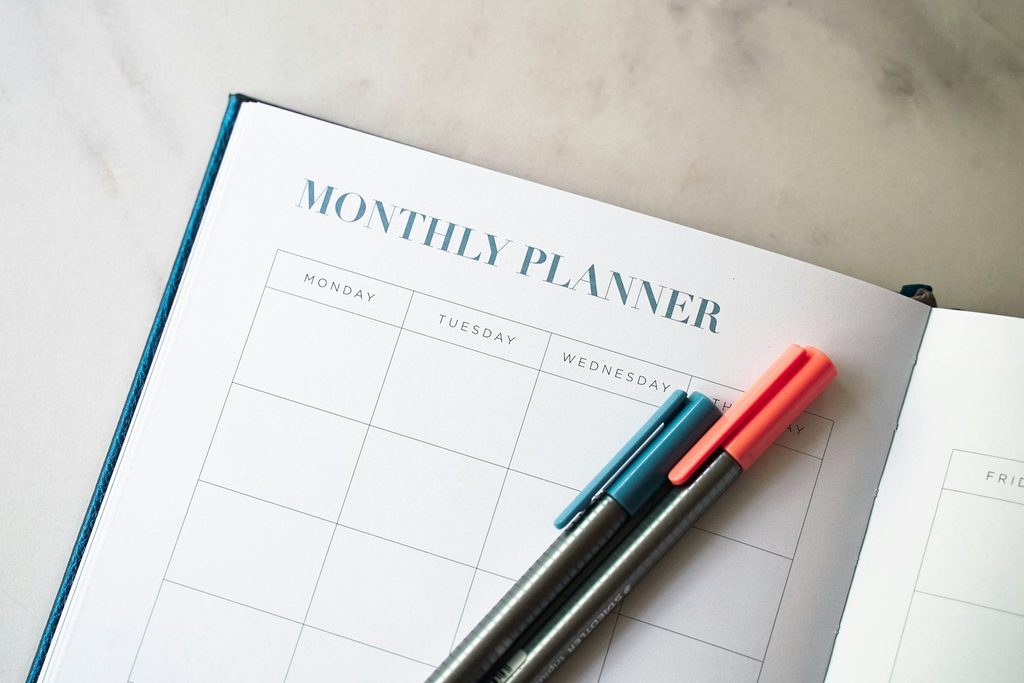
Most students make a study planner at some point; it usually starts with intentions. For example, on Monday you plan to study Mathematics, English, Science, and revise and practice. Tuesday, you plan to study more. By Wednesday, you have stopped using the planner. The problem is not the planner; it is the expectations you had.
Do not create a timetable based on what you think you should be able to do; create it based on your life. Think about your classes, travel time, meals, assignments, responsibilities, sleep, and free time, then decide how much time you really have to study. A realistic study schedule that you actually follow is better than a schedule that makes you feel guilty.
3. Give Your Time a Job
Have you ever gotten to the end of the day and wondered where all your time went? You did not waste the day; you went to class, replied to messages, ate lunch, watched something, did some homework, and maybe studied a little.
The important work is still not done. This is where time blocking can help: instead of just saying “I will study tomorrow,” give your time a purpose.
For example, use your hour for a difficult subject, another hour for assignments, and your evening for revision. You do not have to plan every minute; give your day some structure. This is a way to manage your time.
4. Choose Three Important Tasks
Your to-do list might have twenty things on it. Your brain can only handle a few things at a time. Every morning, choose three tasks that really matter. Maybe you need to finish one chapter, revise yesterday’s lesson, and solve ten practice questions. This is one of the gold productivity tips for students.
If you finish these three things, you have already had a day. This approach makes setting goals less scary than thinking about the whole syllabus; you are focusing on what you need to do today. When you finish these tasks, you get to see that you are making progress.
5. Stop Treating Every Subject the Same
Not every subject needs the same amount of time; some subjects are easier than others. Give the subjects your best time; if you concentrate better in the morning, use that time for difficult concepts. Save tasks, such as reviewing flashcards or organizing notes, for when you have less energy.
Being productive is not about spending time on everything; it is about using your attention wisely. Planning is about being smart with your time and attention; it is not about being perfect. The main thing is to find a way to study that works for you and to make a plan that you can actually follow.
Focus: The Battle Between You and Your Phone
Let us be honest. Sometimes the biggest obstacle between a student and a textbook is not the subject. The phone sitting six inches away is the problem. You tell yourself you are only going to check one notification.
Then you reply to a message. Then you watch one video. Then you watch another video. Then somehow you are watching a stranger explain how they renovated their kitchen. Your textbook is still open on page 17. Learning how to stay productive while studying often starts with learning how to protect your attention from your phone.
6. Try the Pomodoro Technique
The Pomodoro Technique is popular for a reason. It helps you stay focused on your study. Instead of telling yourself “I have to study all afternoon, ” divide your study time into smaller focused sessions. A traditional version involves 25 minutes of work followed by a five-minute break.

After rounds, you take a longer break. Do not become obsessed with the exact numbers. If you concentrate better for 40 minutes, try 40 minutes. If you are struggling to start, begin with 20 minutes. The important part is creating a boundary between study time and break time.
A defined session feels less overwhelming than an endless promise to “study until I’m done.” This technique really helps you stay on track with your study.
7. Put Your Phone Somewhere You Can’t Reach
Turning your phone face down beside your notebook is not exactly a productivity strategy. You know your phone is there. You know the screen might light up. Somewhere in your brain, you are waiting for it.
If possible, leave your phone in another room.
Put it inside your bag. Switch on Do Not Disturb. Focus mode and give yourself permission to disappear from the internet for a while. If your phone is genuinely necessary for studying, remove notifications and keep only the app you need open.
When you are learning how to study without distractions, do not rely entirely on willpower. Change your environment to help you stay focused on your study.
8. Check Your Screen Time
Your phone may know your habits better than you do. Look at your weekly screen time report. You might discover that the ten-minute scrolling sessions you barely notice are adding up to hours. You do not have to delete every social media app during exams.
Instead, create boundaries. Maybe social media is allowed after completing your study tasks. Maybe you limit apps during study hours. Maybe you keep your phone away until lunch.
The point is not to make your life miserable. It is to make sure your phone is not quietly making your decisions for you.
9. Make Your Study Space Boring
Your study table does not need to look like a productivity influencer’s desk. It needs to work. Keep your books, notebook, stationery, and water nearby.
Remove objects. Close unrelated tabs on your laptop. Keep your television off if it distracts you.
A clean environment does not magically make you intelligent. Reducing distractions means your brain has fewer things competing for attention. Sometimes student productivity improves not because you add another technique. Because you remove three unnecessary things from your study space.
10. Give Your Brain One Job
We often call it multitasking.
Studying while replying to messages, listening to a podcast, checking Instagram, and switching between six browser tabs is not really multitasking.
It is attention switching. Every time you move from one task to another, part of your attention has to move with you. Try work instead.
For one defined period, give your attention to one demanding task. Read the chapter. Solve the problems. Write the answer. Then take a break. One focused hour can be more valuable than three hours spent constantly looking away from your work and your phone.
Study Methods: Your Textbook Isn’t Going to Memorise Itself
Here is the truth about studying: reading is not the same as learning. You can highlight a page and still have trouble explaining what it says. You can read a chapter five times. Forget half of it the next day. If this happens to you, the answer is not to study. The answer is to study.
11. Close the Book. See What You Remember
This is where active recall is useful. After studying a topic, close your textbook.

Ask yourself: what did I just read? What were the important points? Can I explain the concept without looking? What examples can I remember? Write down what you know before checking your notes. The moment you realize you have forgotten something might feel frustrating. That is exactly the information you need. Active recall turns studying into a conversation with your memory rather than just reading your textbook.
12. Don’t Meet a Topic Once
Imagine meeting someone once and expecting to remember everything about them six months later. Your brain does not work that way. The same applies to studying. Instead of learning a topic once and not looking at it again until exam week, return to it at different times. This is the idea behind spaced repetition.
You might review something today, look at it again in a few days, and then return to it again the week. The time between reviews does not have to be perfect. What matters is that you are repeatedly bringing information back to your attention. This makes revision less scary because you are not trying to remember information you have not seen in months. This is among my personal favourite productivity tips for students.
13. Turn Information Into Flashcards
Flashcards are useful when you are dealing with information that needs to be recalled. Use them for definitions, dates, formulas, vocabulary, important concepts, quotations, and key facts. The best flashcards do not contain paragraphs.
They ask one question. For example: what is the main argument of this theory? You can use cards or digital tools depending on what works for you.
14. Explain It Like You’re Teaching Someone
Here is one of the study tips you can try. Pretend you are teaching the topic to someone who knows nothing about it. Explain it aloud. Do not use words just because they are in your textbook.
Try to make the idea simple. If you get stuck, you have discovered the part you do not fully understand. This is particularly useful for subjects involving theories, processes, literature, science, or long-answer questions. If you can explain something clearly without your textbook, there is a chance you have actually understood it.
15. Stop Making Notes That Look Like Another Textbook
Note-taking is not about copying everything. Your notes should make revision easier. Use headings, bullet points, diagrams, keywords, short explanations and examples. Highlight important information. If you prefer notes, use folders and clear labels so you can find things quickly.
If handwriting helps you remember better, continue writing by hand. There is no prize for having the notes. The goal is remembering what they contain.
Healthy Habits: Your Brain Needs You to Take Care of It
One of the things about exam season is how quickly students start treating sleep, food, and breaks as obstacles. Your brain is doing the actual work here. You need to take care of the person doing the studying.
16. Stop Treating Sleep Like Lost Study Time
There will always be one chapter to read. One more question to answer. One more topic to revise. If you keep sacrificing sleep, eventually you are studying with a brain that struggles to concentrate. Sleep should be part of your study routine, not something you earn after finishing everything.

You do not need a sleep schedule. Just try to maintain a consistent bedtime, particularly during the final days before an exam.
17. Create a Morning Routine That Belongs to You
You do not have to wake up at 4:30 a.m. Because a productivity video told you that successful people do. Your morning routine can be simple. Wake up. Get ready. Drink some water. Have breakfast. Look at your priorities. Start with the important task. That is enough.
A routine becomes useful when you can repeat it. Do not copy someone’s lifestyle and expect it to automatically improve yours.
18. Take Breaks
A break does not mean opening Instagram and accidentally disappearing for 45 minutes. A proper break should actually help you reset. Walk around. Stretch. Drink water. Have a snack. Look out the window. Talk to someone. Then come back.
If you are using the Pomodoro Technique, use those breaks intentionally. Rest is not the opposite of productivity. Sometimes it is what allows productivity to continue.
19. Eat and Hydrate Like Your Brain Matters
During exams, students sometimes live on coffee, biscuits and determination. Please do not. You do not need a diet plan or some magical food that will suddenly give you a photographic memory. Just eat meals, drink enough water, and do not constantly replace food with caffeine.
Your body and brain are part of your study routine. Treating them well can make long study days more manageable.
20. Stop Waiting for Motivation
Motivation is wonderful when it arrives. Unfortunately, it does not always send a message first. Some days you will feel excited about studying. Other days opening the textbook will feel like a demand. Do not make your productivity dependent on motivation. Start small. Tell yourself you will study for ten minutes. Open the book. Read one page. Answer one question. Write one paragraph. Often the hardest part is starting.
Exam-Day Preparation: Do Not Turn the Final Week Into a Rescue Mission
The days before an exam should ideally be about strengthening what you already know. Not discovering the existence of half your syllabus. If your exam preparation has been reasonably consistent, your final week can focus on revision, practice, and identifying areas.
21. Start Revision Before You Feel Ready
Many students wait until they finish the syllabus before beginning revision. The problem is that by the time you finish the chapter, you may have forgotten the first one.
Bring revision into your routine from the beginning. After completing a topic, revisit it later. Use recall. Test yourself. Review your notes. This creates a cycle of learning and revision instead of leaving everything until the final night.
22. Let Questions Tell You What You Do Not Know
Reading your notes can make you feel prepared. Questions are less polite. They expose the gaps. Practise previous-year papers, mock tests, sample questions and textbook exercises. When you get something, do not just look at the correct answer and move on.
Ask why you got it wrong. Did you misunderstand the concept? Forget a formula? Misread the question? Run out of time? Every mistake gives you information about what needs work.
23. Create a “Things I Keep Forgetting” Page
Every student has one. That one formula you forget repeatedly. That historical date that refuses to stay in your head. That quotation you always mix up. That definition you somehow keep rewriting. Of getting annoyed with yourself, make a list. Call it your “Things I Keep Forgetting” page. Keep adding to it throughout your revision.
When the exam approaches, you have a revision sheet containing the information your brain actually struggles with. That is more useful than rereading everything equally.
24. Prepare Your Exam Bag the Night Before
You do not want exam morning to become a scavenger hunt. Keep your stationery, admit card, identification, calculator if permitted, water bottle, and other essentials ready the night before. Check the exam instructions beforehand.

Know where you need to go and how long it will take to get there. These things might not look like study tips, but removing unnecessary last-minute stress gives you more mental space for what actually matters.
25. Know When to Close the Book
This might be the tip on the list. There comes a point when studying stops being useful. The night before an exam, you may convince yourself that staying awake for another three hours will save you. Maybe you can learn something. You may also end up exhausted, anxious, and unable to concentrate the next morning properly. Finish your revision. Look over your quick-review notes. Prepare your things. Set your alarm. Then close the book. Knowing when to stop is also part of being productive.
What does a student who gets things done actually look like?
A student who gets things done is not necessarily the one with a schedule that is color coded, handwriting that’s perfect, and a morning study session that is five hours long. They still put things off until later. They still have days that’re bad. They still look at their phone for longer than they meant to. The difference with a student who gets things done is that they know how to get on track. They make a plan for what they want to do. They notice when something is not working out. They change their routine.
They go over their work again of just cramming for it at the last minute. They do practice questions or just read through their notes. They take time to rest. They get a night’s sleep. They start over again the next day. That is what it really means to be a student. The way successful students study is not always as great as it looks on media. What matters most is doing things consistently, not making everything look perfect.
Being a Productive Student Without Hating Your Daily Routine
If you think your study routine is boring, you will not stick to it for a time. You need to make it fun. Your study routine should not feel like a punishment. Do not try to change everything at once. Start with changes.
For example, you can start by making a study schedule for the day. You can choose what is important to you as a student. You can pick three things you want to study.
You can put your phone away when you study. You can try to remember what you studied without looking at your notes. You can take a break. Do something you like.
You can go to bed at a time. This is already a start. When you get used to these habits, you can add things to your routine. Maybe you can try repeating what you studied after some time. Maybe you can use flashcards to help you remember.
Maybe you can block time for each subject. Maybe you can review what you want to achieve every week. The best tips for students are the ones that’re easy to follow. These tips should be things you can do every day.
A Simple Study Productivity Routine for Students
If you do not know where to start, think about what you do in a day. You wake up. Look at what you need to study. You do not write down a lot of things to do. You choose what is important to you as a student. You pick three things you want to study. Your first study session is for the subject that’s hardest for you as a student. You put your phone away. Focus on your study. You work for an amount of time.
Then you take a break. When you come back, you try to remember what you studied. You test yourself to see what you remember. Later in the day, you study another subject. You use time blocking to help you stay focused. In the evening, you look at what you studied in the week. You spend time repeating what you studied. This helps you remember what you studied as a student.
Before you go to bed, you look at what you did. Plan what you will do tomorrow. Notice what is not there. There is no studying for twelve hours. You do not have to wake up early. You can still use your phone. You do not have to make a schedule that’s not realistic. You just need to focus, take breaks, and be consistent. This is a routine that works for students like you. You can be a student without hating your routine. You can make your study fun and easy to follow. You can achieve your goals as a student.
What to Do When You Have Absolutely No Motivation
Let us talk about something that nobody really wants to discuss. You have an exam coming up. You know that you need to study for the exam. You know that your phone is distracting you from studying. You know that the chapter is not going to finish itself.
Still, you do not want to start studying for the exam. First, stop thinking that you are a person because you do not want to start studying for the exam. You are not lazy just because you are having trouble starting to study for the exam. Instead, make the task of studying for the exam.
Do not say to yourself:
“I need to finish the chapter for the exam.”
Say to yourself:
“I will read the two pages of the chapter of the exam.”
Then you can keep going from there. If you end up reading ten pages of the chapter of the exam, that is great. If you only manage to read two pages of the chapter of the exam, that is still two pages more than you read yesterday.
Productivity is not about feeling motivated every morning when you are studying for the exam. Sometimes it is about starting to study for the exam before you feel ready to study for the exam.
The Biggest Mistake Students Make When They Are Trying to Be Productive
One of the mistakes that students make when they are trying to be productive is becoming too obsessed with being productive. You can spend hours watching videos about the apps to use when you are studying for the exam.

You can spend hours downloading planners and reorganizing your desk and choosing highlighters and searching for the method to use when you are studying for the exam. Then suddenly it is 8 p.m. You have not studied for the exam at all.
You have been getting ready to study for the exam. You have not actually studied for the exam. There is a difference between getting ready to study for the exam and actually studying for the exam. You do not need a lot of apps to help you study for the exam.
You do not need a desk to study for the exam. You do not need pens and paper to study for the exam. You do not need to change who you are as a person to study for the exam. You just need to sit down and start studying for the exam.
Use whatever method helps you learn when you are studying for the exam and then actually use that method to study for the exam.
Final Thoughts on How to Be Productive When You Are Studying for the Exam
Exam preparation does not need to be a race against the clock. You do not have to study every moment, stop doing the things you like, or turn into the student who wakes up at 5 a.m. And study for ten hours. You just need a way that works for you.
The best productivity tips for students are usually easy to follow: create a plan that’s realistic, split big tasks into smaller ones, get rid of distractions, use active recall, review often, and make sure to get enough sleep. Instead of wondering “How can I study more?” think about “How can I make the time I already have useful?”
Maybe four hours of study work better for you than ten hours filled with distractions. Maybe you learn better in the evening, like to take notes by hand, or work best with 25-minute study periods. There are no fixed productivity tips for students. Find what works for you and keep doing it. No matter if you’re in college, high school, or getting ready for your next big test, remember: you do not have to be perfect. You just have to be careful with how you use your time. Sometimes the helpful thing you can do is simply put the phone down, open the book, and start with one page.
The rest can come after that.
Frequently Asked Questions
1. How can students be more productive while studying?
Students can be more productive while studying by making a study schedule that’s realistic for them. Students should set goals for themselves and try to reduce distractions while they are studying. The students can use study methods like active recall and spaced repetition to help the students study. The students should also take breaks and get enough sleep so the students can concentrate better while the students are studying.
2. What are the best productivity tips for students preparing for exams?
Some good productivity tips for students are to plan out the study time, break down tasks into smaller tasks, and use time blocking to help the students stay on track. The students should keep their phone away while the students are studying. The students should practice active recall to help the students remember things. The students should also review the material regularly. Stick to a consistent study routine for the students.
3. How can I stay productive while studying?
To stay productive while studying, the students should choose one task at a time for the students to work on. The students can use the Pomodoro Technique or time blocking to help them stay focused. The students should turn off notifications that’re not necessary and find a quiet place to study without distractions. Having a goal for each study session can also help the students stay focused on what the students need to do.
4. How can I stop procrastinating as a student?
To stop procrastinating, students should start with a task that they can handle. Instead of thinking about the whole thing, students can study for just ten minutes or answer one question or read a few pages. Once the students get started, it is often easier for them to keep going. The students should just take it one step at a time. Not worry too much about the big picture.
5. What is a study routine for students?
A good study routine for students should include study sessions where the students are really paying attention. The students should also take breaks to give the students a chance to rest. The routine should include time for review and practice questions to help the students learn. The students should also get sleep so the students can stay alert while the students are studying. The routine should fit the students’ schedule and energy levels rather than trying to follow someone else’s plan.
6. How does active recall improve studying?
Active recall is when the students try to remember something without looking at their notes. Instead of just reading a chapter over and over, the students can try to answer questions about what the students have learned. This makes studying more active. Helps the students figure out what the students need to work on. The students can use recall to make studying more effective for the students.
7. Is the Pomodoro Technique good for exam preparation?
Yes, the Pomodoro Technique can be really helpful for exam preparation. It involves breaking down study sessions into periods of focused work followed by short breaks. Students can adjust the length of each session to fit their concentration and workload. This can make long study sessions feel more manageable for the students.
8. What are the effective study habits for students?
Some effective study habits for students include making a study schedule and sticking to it. The students should review the material regularly. Use active recall to help the students remember things. The students should also practice questions. Try to minimize distractions while the students are studying. The students should take breaks. Get enough sleep to help the students stay focused. Consistency is often more important than trying to cram all the studying into one session.
9. How can students focus while studying?
To focus while studying, students should try to eliminate distractions. The students should keep their phone away. Turn off notifications that are not necessary. Students should find a place to study and try to stay away from things that might distract them. The students can use focus mode. Turn off the internet to help the students stay on track. Breaking the study session into periods can also help the students stay focused.
10. How can I study without distractions?
To study without distractions, the students should keep the study area simple and get rid of things that might distract them. The students should turn off their phones. Leave it in another room. The students should decide what the students want to accomplish before the students start studying. The students can use a planner. Make a list to help the students stay on track.
11. How does time management help students prepare for exams?
Time management can help students prepare for exams by breaking down the study material into tasks. The students can use a planner to schedule out the study sessions and make sure the students have time for everything. The students can prioritize the difficult subjects and use time blocking to stay on track. This can help the students avoid cramming at the last minute and make sure the students have time for review.
12. What are some productivity tips for college students?
Some productivity tips for college students include planning out the study schedule around lectures and assignments. The students should set goals for themselves and use digital notes when it is helpful. The students should try to manage their screen time and create study periods. The students can build a routine to help them balance academics and personal activities.
13. What are some productivity tips for high school students?
Some productivity tips for high school students include keeping a study schedule and breaking down tasks into smaller chunks. Students should review the lessons regularly. Try to avoid unnecessary screen time while studying. Students should make time for sleep, meals, and relaxation to help them stay energized.
14. How much should students study before an exam?
There is no one-size-fits-all answer to how much students should study before an exam. The quality of the study sessions is often more important than the quantity. Students can use study sessions with active recall practice questions and review to help them prepare. This can be more effective than trying to study for a time with a lot of distractions.
15. What can students do after school to be productive?
Some productive things students can do after school include reviewing what was taught that day. Students can complete assignments. Prepare for upcoming classes. Students can review topics and organize the next day’s study plan. Even a short period of work, like 30-60 minutes, can make a big difference in the students’ productivity for the rest of the week.
References
Read the research paper via PubMed Agarwal, Pooja K., Ludmila D. Nunes, and Janell R. Blunt. “Retrieval Practice Consistently Benefits Student Learning: A Systematic Review of Applied Research in Schools and Classrooms.” Educational Psychology Review, vol. 33, 2021, pp. 1409–1453.
Read the systematic review Vesik, Kaili, and Kathleen Currie Hall. “Improved Student Learning Through Active Retrieval Practice and Random-Sampled Exams.” Canadian Journal of Linguistics/Revue canadienne de linguistique, 2024.
Read the Cambridge University Press article Carnegie Mellon University, Eberly Center. “Retrieval Practice for Improved Learning.” This resource explains retrieval practice, including the use of quizzes, flashcards, practice problems and exams to strengthen learning and recall.
Carnegie Mellon University — Retrieval Practice Cirillo, Francesco. The Pomodoro Technique. The official resource for the Pomodoro method, developed by Francesco Cirillo.