

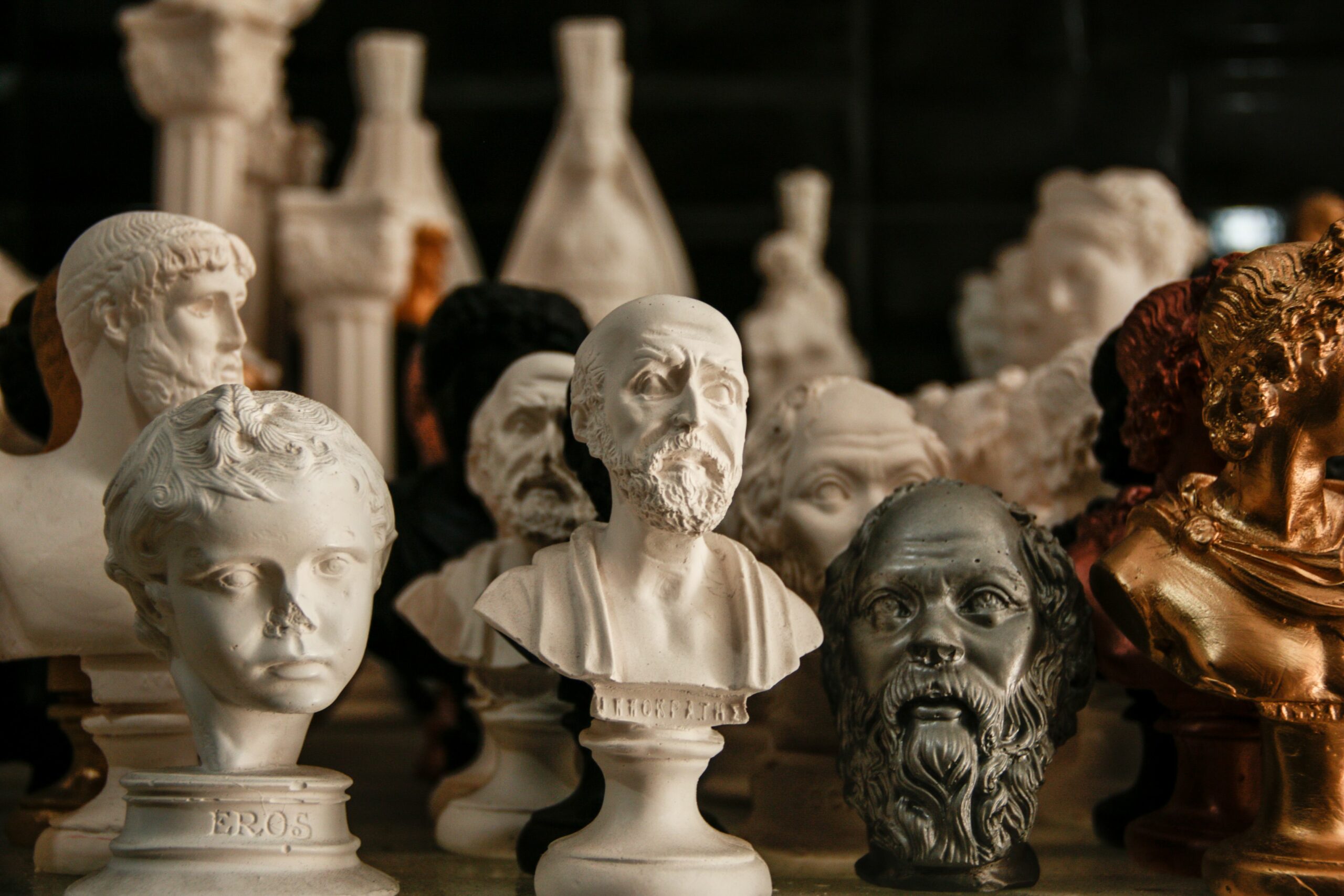

The history of poetry is too rich to cover in a single article. Instead of rushing through the lives of twenty-five extraordinary poets, we present this as a three-part series. Each literary giant deserves the space to be explored fully. Part One introduces ten remarkable poets whose works laid the groundwork of world literature. They changed how stories, emotions, faith, and human experiences are expressed through verse. From the timeless oral epics of Homer to the Romantic vision of William Wordsworth, these voices continue to influence readers and writers across centuries.
Before You Meet the Poets, Listen to the Silence They Broke
Close your eyes for a moment and picture a world without poetry. There would be no lullabies to calm a frightened child, no verses whispered between lovers separated by war, no songs to mourn the dead, and no words strong enough to challenge a king without drawing a sword. It’s hard to imagine such a world because poetry has always been part of human existence.
Long before we built libraries, museums, or universities, we created stories. We shared them from memory long before writing them down. Around fires, under unfamiliar skies, and across wild seas, people passed poems from generation to generation, not through books but through the voices of those who remembered them. Poetry was never just entertainment. It helped people remember who they were.
In those early centuries, a poem could guide someone when roads didn’t exist. It could keep history alive before historians began recording it. It served as a prayer before temples rose from the earth and sometimes sparked revolutions long before anyone dared to label them. This is why the greatest poets were never simply writers. They became the memory of civilizations. They asked questions that troubled philosophers, found beauty in ordinary life, and turned private grief into words that millions would later recognize as their own.
Maybe that’s why we keep returning to their work. Kingdoms have risen and fallen, languages have changed dramatically, and entire cultures have shifted, yet a line written thousands of years ago can still stop someone in their tracks on an ordinary afternoon. Great poetry never ages because human emotions don’t. Love still breaks hearts, ambition still blinds people, hope endures against all odds, and loss imparts lessons that no classroom ever can. Although these poets lived in different times, spoke different languages, and held different beliefs, they all achieved something remarkable. They helped strangers separated by centuries feel understood, and perhaps that is literature’s greatest miracle.
25 Greatest Poets of All Time
Homer
Homer – The Poet Who Was Never Meant to Be Read
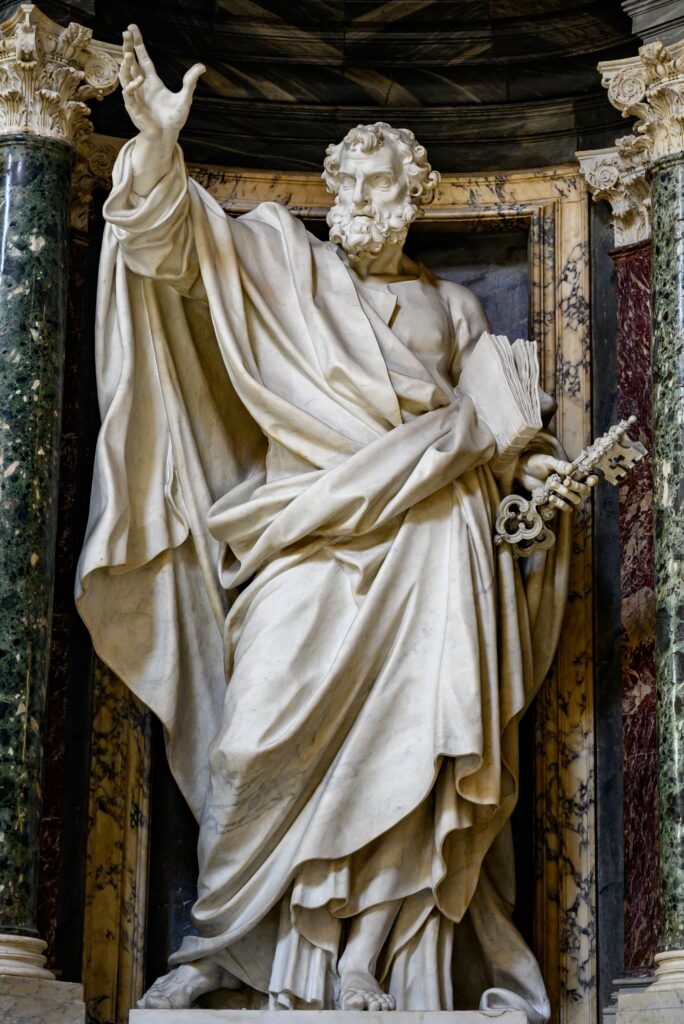
There is something wonderfully ironic about the man who changed literature forever: he probably never imagined that anyone would one day read his work. When Homer’s stories first surfaced, there were no readers waiting with books. There were only listeners gathered beneath open skies, eager to hear stories lived entirely through memory.
Picture an evening nearly three thousand years ago along the shores of the Aegean Sea. The day’s work is done, darkness settles over the villages, and families gather together. There are no theatres, no printing presses, no electricity, and no screens competing for attention. A travelling storyteller steps forward and begins to recite tales of mighty warriors, devastating wars, impossible voyages, grieving fathers, faithful wives, and gods who interfere in human lives as though they were moving pieces across a vast celestial chessboard. Every word exists only as long as someone remembers it.
That fragile oral tradition gave birth to Western literature. What makes Homer extraordinary is not just that he is credited with The Iliad and The Odyssey, but that these monumental epics survived for centuries before writing became common in ancient Greece. Instead of relying on manuscripts, generations of oral poets preserved these stories through rhythm, repetition, and carefully structured verse. Familiar expressions like “rosy-fingered dawn” and “swift-footed Achilles” were included not just for their poetic sound.
They served as memory aids that helped performers recall thousands of lines while reciting before live audiences. What modern readers sometimes see as repetition was, in fact, an ingenious way to preserve literature in a world where memory was the only library people had.
Even Homer’s identity remains one of literature’s greatest mysteries. Historians have debated for centuries whether he was a single blind poet, several talented storytellers whose work merged over time, or simply a symbolic name representing a long oral tradition. Remarkably, this uncertainty has not diminished the power of his work. It reminds us that sometimes the story becomes greater than the storyteller. While history may never reveal the face behind the poems, the voice continues to speak with astonishing clarity.
What truly transformed literature was Homer’s understanding of human nature. Ancient heroes often seemed fearless and invincible, yet Achilles is neither perfect nor emotionally distant. He is brave but consumed by pride, powerful yet vulnerable to grief. When his closest companion dies, the greatest warrior in Greece loses his legendary strength and becomes simply a man trying to comprehend unbearable loss. Through Achilles, Homer showed that even heroes carry emotional wounds, a revolutionary idea that changed the way writers created characters. Every reluctant hero, difficult journey, and flawed protagonist who has appeared in literature since echoes Homer’s imagination.
One of the most fascinating discoveries about Homer emerged not from ancient Greece but from twentieth-century scholarship. American classicist Milman Parry travelled through the Balkans, recording traditional singers who could perform thousands of lines of poetry entirely from memory. Their methods closely resembled those in Homer’s epics, providing compelling evidence that these masterpieces came from a highly developed oral tradition rather than being composed in the modern sense. His research fundamentally changed how scholars understand ancient poetry and showed that before books preserved literature, people did.
In an age where information disappears with a swipe of a screen and attention spans keep shrinking, Homer’s legacy feels more remarkable than ever. He reminds us that stories are more than just entertainment. They are the memory of civilisations, the bridge between generations, and the reason cultures survive long after kingdoms collapse. Nearly three thousand years later, Homer’s voice still reaches us not because he wrote the first great epic but because he proved that a story carried faithfully from one heart to another can outlive every empire that ever existed.
William Shakespeare
William Shakespeare – The Man Who Gave Human Emotions a Permanent Vocabulary
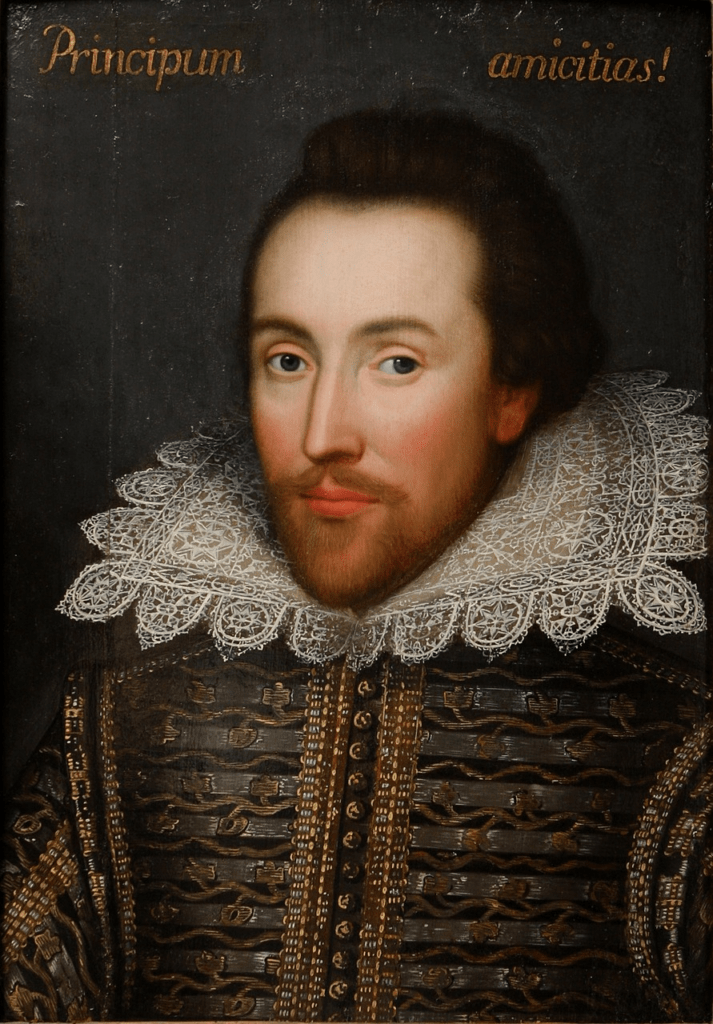
Every generation believes it understands love, jealousy, ambition, betrayal, and grief better than the one before it. Yet whenever we search for words to describe those feelings, we often find ourselves returning knowingly or unknowingly to William Shakespeare. More than four centuries after his death, his language continues to shape how we think, speak, and understand ourselves. That is a rare achievement. Most writers are remembered for their stories, but Shakespeare became unforgettable because he understood the people within those stories.
When most people hear his name, they quickly think of Hamlet, Macbeth, or Romeo and Juliet. Yet hidden behind the fame of those plays lies another Shakespeare, a poet who quietly poured his thoughts into 154 sonnets. Unlike the grand speeches delivered by kings and tragic heroes on stage, these poems feel startlingly personal. They talk about love that survives time, beauty that fades, friendships tested by distance, the fear of aging, the pain of betrayal, and the quiet hope that words might preserve what life cannot. Reading the sonnets today often feels less like studying history and more like overhearing someone’s private conversations with time itself.
What makes Shakespeare extraordinary is not just his ability to write beautifully, but his remarkable understanding of human psychology. Long before psychology became a field, Shakespeare explored the contradictions within every person. He understood that courage could exist alongside fear, that love could turn possessive, that ambition could destroy the very dreams it aimed to fulfill, and that even the noblest individuals were capable of making devastating mistakes. His characters rarely fit neatly into categories of hero or villain because real people rarely do.
Perhaps this is why Shakespeare feels astonishingly modern. When Macbeth allows ambition to take over his conscience, readers recognize the dangerous lure of power. When King Lear realizes too late that love cannot be measured by flattery, we see the cost of pride. When Hamlet hesitates, questions, and overthinks every decision, his uncertainty resonates with anyone who has ever faced a crossroads in life. Shakespeare never provided perfect heroes because he knew that perfection is not what makes people unforgettable. Their flaws do.
There is another reason his influence has remained so powerful. Shakespeare did not just use the English language; he expanded it. Scholars estimate that he introduced or popularized hundreds of words and phrases that still appear in everyday conversation. Expressions like “break the ice,” “wild-goose chase,” “heart of gold,” “green-eyed monster,” and “wear my heart upon my sleeve” have become so woven into modern English that many people use them without realizing they first appeared in his work. Few authors have made such a lasting impact on the language itself.
One of the most striking aspects of Shakespeare’s poetry is that it refuses to flatter love. During the Elizabethan era, many poets idealized beauty by comparing women to goddesses and perfection itself. Shakespeare chose a different path. In Sonnet 130, he boldly dismisses exaggerated compliments, insisting that true love does not need impossible comparisons. His beloved does not have eyes like the sun or lips as red as coral, yet he loves her completely. The poem quietly dismantled centuries of unrealistic romantic conventions and replaced them with something far more radical : honesty.
There is also a mystery surrounding Shakespeare that continues to fascinate historians. Despite being the most influential writer in the English language, surprisingly little is known about his private life. We do not know exactly what inspired many of his greatest works, nor can scholars agree on the identities of the mysterious figures addressed in several of his sonnets. The so-called “Fair Youth” and the “Dark Lady” remain among literature’s greatest unanswered questions. Rather than weaken his legacy, these mysteries have only deepened readers’ interest, reminding us that even history’s greatest voices leave some stories untold.
What ultimately sets Shakespeare apart from nearly every other writer is his belief that literature should reflect life in all its complexity. He never divided the world into simple categories of good and evil because he knew that human beings are rarely that simple. Love can heal and destroy. Power can inspire and corrupt. Time can wound, but memory can resist it. These truths were as real in sixteenth-century England as they are today.
In a world where technology alters almost every aspect of our lives, Shakespeare reminds us of something that has never changed: the human heart. The clothes we wear, the cities we build, and the languages we speak may evolve with each generation, but our fears, desires, hopes, and regrets remain strangely familiar. That is why Shakespeare’s poetry continues to live. He did not just write about people; he understood them. Once a writer understands humanity that deeply, their words are never limited to a single century; they belong to every generation that follows.
Virgil
Virgil – The Poet Who Taught an Empire How to Remember Itself
Some poets write to express what is inside them. Others write to preserve a way of life. Virgil was one of the poets who wrote to preserve a way of life.
When people think about empires, they often think about big buildings or strong armies. Empires are not just remembered for these things. What people remember is the stories they tell about themselves. Rome understood this. They found a storyteller in Virgil. Virgil was the one who could turn the dreams of Rome into something that would last forever.
Virgil was born in 70 BCE. This was a difficult time for Rome. There were wars and the country was divided. Many people were. Many cities were damaged. It was a time when people were trying to find a reason to keep going.
Instead of giving speeches or writing history books, Virgil wrote a poem. This poem became The Aeneid. The Aeneid is about a man named Aeneas who travels from Troy to Italy. He has adventures and faces many challenges. The Aeneid is more than just a story about Aeneas. It is about what we owe to the future.
Virgil was asking a question that we all ask ourselves at some point. What do we owe to the future even if it means giving up what we have now? Aeneas is not like heroes. He is not driven by a desire for fame or a desire to go home. He is driven by a sense of duty. He has to leave behind the life he wants in order to do what he must do.
This decision has been talked about for thousands of years. People have wondered if Aeneas was right to leave behind Dido, the woman he loved. Virgil does not give us an answer. That is what makes The Aeneid so great.
One of the things about Virgil’s poetry is that it is full of compassion. He does not just celebrate the victories of Rome. He also talks about the cost of those victories. He reminds us that every great achievement comes with a price.
Virgil was very careful when he wrote his poetry. He would spend a lot of time on a few lines. He wanted his poetry to be perfect. The Eclogues (/ˈɛklɒɡz/; Latin: Eclogae [ˈɛklɔɡae̯], lit. ‘selections’), also called the Bucolics, is the first of the three major works.
At the end of his life, Virgil was not happy with The Aeneid. He wanted to revise it. He died before he could do that. He asked that the poem be destroyed after his death. Fortunately, the Roman emperor Augustus did not do that.
Today, Virgil’s influence can be seen in many things. He has inspired writers and artists. His ideas about duty and sacrifice are still important today. Virgil reminds us that being a hero is not about winning battles. It is about making choices. It is about putting the needs of others before our needs. That is why The Aeneid is still read today. It is because we can all relate to the choices that Aeneas had to make. We all have to choose between the life we want and the life we are meant to live.
Dante Alighieri
Dante Alighieri – The Exiled Poet Who Turned His Pain into Eternity
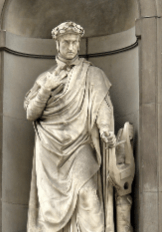
Sometimes the best things come from the worst experiences. When people think of The Divine Comedy, they think of Heaven and Hell. They think of a complicated poem. The Divine Comedy is really about a man who is trying to find his way after his world has fallen apart.
Dante Alighieri did not write The Divine Comedy from a place of comfort. He wrote it while he was in exile. The Divine Comedy starts with an image. A man is lost in a forest. The forest is not just a place. It is a symbol of confusion and despair.
Dante was born in Florence in 1265. He grew up in a city that was full of life and energy. Florence was also a city of big rivalries and conflicts. Dante got involved in politics. Tried to make a difference. Politics ended up changing his life instead.
In 1302, Dante was accused of corruption. Sent into exile. He could never go back to Florence again. If he did, he would be killed.
Imagine what that must have been like. To lose your home, your city, your identity all at once. Exile is not about being far away from home. It is about feeling like you do not belong anywhere.
Dante spent the rest of his life moving from city to city. He had to rely on the kindness of others to survive. Instead of being bitter, he turned his pain into poetry.
Dante’s journey takes him through Hell, Purgatory and Paradise. He meets people along the way. The Divine Comedy is not just about the afterlife. It is about the soul. It is about our fears, hopes and desires.
One of the interesting things about Dante’s vision is that Hell is not just a place of punishment. It is a place where people are trapped by their flaws. The proud are trapped by their pride. The greedy are trapped by their greed.
Dante’s poem is still relevant today. It is because we can all relate to the choices he made. We all have to choose between what’s easy and what is right.
Dante made a decision when he wrote The Divine Comedy. He wrote it in the vernacular Italian of the people, not in Latin. This was a risk. It paid off. He helped create the Italian language.
There is another story about Dante that’s interesting. The woman who inspired him, Beatrice, was a real person. She was not just a love interest. She was a symbol of wisdom and love.
Imagine inspiring one of the greatest works of literature without even knowing it. That is the power of love. Sometimes love is not about possession. It’s about inspiration.
Dante’s influence has gone beyond books. His picture of Heaven and Hell has been used in paintings, sculptures, music, theatre, movies and even video games. Artists like Michelangelo and Salvador Dalí got ideas from Dante’s pictures. Writers like Geoffrey Chaucer, John Milton, Jorge Luis Borges, T. S. Eliot and many others used Dante’s ideas in their work, showing that a poem written a long time ago can still speak to people today.
But what Dante did that is really important might be very simple. Dante gave hope to people who thought they were completely lost. Dante reminds us that to be wise, sometimes we have to admit we do not know what to do. Every bad time can be the start of something new. When we walk through a very dark time, we can still see the stars again. The last line of Inferno says this in a simple way: “Then we came forth to see the stars again.” This is why Dante is still important. Not because he thought about Hell. Because he believed that no person has to stay in a bad place forever.
Dante’s influence is about giving people hope. Dante’s work is about helping people find their way. Dante’s words show us that we can always see the stars again no matter what happens.
Geoffrey Chaucer
Geoffrey Chaucer – The Poet Who Found Extraordinary Stories in Ordinary People
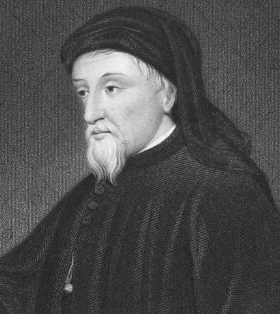
History usually remembers kings and warriors. Geoffrey Chaucer was different. He thought that ordinary people were just as interesting as monarchs. He changed poetry forever by doing so. At that time, serious literature was written in Latin or French. Chaucer looked around him and found inspiration in ordinary people like merchants, craftsmen and travellers. His biggest achievement was not just writing poetry but also realizing that every person has a story worth telling.
Geoffrey Chaucer was born around 1343. He lived during a turbulent time in English history. The country was recovering from the Black Death and social hierarchies were changing. Chaucer worked as a courtier, diplomat and customs official, which meant he met people from all walks of life. This gave him an understanding of society which many writers lacked. He observed not only the nobility, but also the ambitions and flaws of ordinary men and women. He wrote about these observations.
His famous work, The Canterbury Tales, starts with a simple idea. A group of pilgrims goes on a journey to Canterbury. To pass the time, they tell stories to each other. This idea allowed Chaucer to create a portrait of medieval society. Each pilgrim speaks in their own voice, revealing their background and beliefs. As readers move from one tale to the next, they encounter comedy, romance and social criticism all woven together through the conversations of travellers.
What makes Geoffrey Chaucer feel modern is that he did not divide people into heroes and villains. His characters are complex because people are complex. A religious figure may be driven by greed while a labourer might show kindness and wisdom. Chaucer understood that morality is not simple, and his poetry reflects this truth with honesty. He invites readers to observe his characters with curiosity, seeing themselves in each personality.
One of Chaucer’s decisions was to write The Canterbury Tales in Middle English. At the time, this choice may have seemed ordinary. Its impact was revolutionary. By using the language spoken by people, Chaucer showed that English was capable of great literature. His work helped establish English as a literary language, paving the way for writers like William Shakespeare.
There is another thing about Chaucer. The Canterbury Tales was never finished. Chaucer planned for each pilgrims to tell stories, but only twenty-four were completed before his death. This incompleteness has become part of the work’s charm. It resembles life itself with conversations interrupted and journeys left incomplete. The missing tales invite readers to imagine the voices that were never written, reminding us that literature often leaves room for our imagination.
Geoffrey Chaucer’s influence reaches beyond medieval England. His characterization anticipated the realism of the modern novel. His ability to balance humour with observation inspired generations of writers. Importantly, he challenged the idea that literature should only concern itself with the lives of the powerful. He proved that ordinary people could be just as fascinating as kings if their story was told with honesty and compassion.
In today’s world, where people share their lives through media and blogs, Chaucer’s vision feels contemporary. He understood that every individual carries a perspective shaped by their experiences. The greatest stories are often found in the conversations of people travelling together. That simple yet profound belief transformed literature, ensuring that Geoffrey Chaucer would be remembered as the poet who gave ordinary people an extraordinary place in history.
John Donne
John Donne – The Poet Who Turned Love into Philosophy
Love has inspired poets for centuries. John Donne wrote about it in a unique way. While his contemporaries wrote about beauty, Donne looked beyond appearances. He was fascinated by how love worked. Could two people remain connected despite distance? Could faith and desire exist together? These questions shaped his poetry, transforming verse into something intellectually daring.
John Donne was born in 1572 into a Roman Catholic family during a time of religious conflict in England. His early life was marked by uncertainty and hardship. His brother died in prison, which deeply affected Donne’s beliefs. He spent his life wrestling with questions about faith and mortality. These struggles became the foundation of his poetry.
Donne’s own love story was dramatic. He fell in love with Anne More, his employer’s niece. They married in secret. When the marriage was discovered, Donne was dismissed from his position and briefly imprisoned. Rather than becoming bitter, he transformed his struggles into poetry that explored love as a force that could endure sacrifice and separation.
One of Donne’s famous poems, A Valediction: Forbidding Mourning, is an example of this. He compares two lovers to the legs of a compass, one fixed and one moving yet connected. This image transforms a scientific instrument into a symbol of faithful love. Readers continue to marvel at the originality of this comparison, which demonstrates Donne’s ability to unite intellect with emotion.
Donne’s style became known as “metaphysical poetry.” He delighted in drawing connections between unlikely subjects. Fleas, maps and astronomy all found their way into poems about love and faith. These comparisons reveal a truth about Donne’s view of the world. He believed that knowledge was interconnected and poetry should challenge the mind much as it moves the heart.
As Donne grew older, his writing shifted from poetry to spiritual reflection. After his wife’s death, grief reshaped his voice. He became Dean of St Paul’s Cathedral. He wrote sermons that gained wide admiration. During his illness, he wrote Devotions upon Emergent Occasions, which contains the line “No man is an island.” These words are often repeated. Many people do not know they originated from Donne’s meditation on illness and human connection.
John Donne’s life is fascinating because of his transformation. In his youth, he was a writer who celebrated romance and worldly pleasures. By the end of his life, he had become a religious figure writing profound spiritual poetry. These two sides of Donne were never separate. He remained fascinated by the same questions: What gives life meaning? How do people remain connected despite distance and loss? What happens to love when confronted by death?
John Donne’s influence extends beyond the seventeenth century. The Modernist poet T. S. Eliot admired his work, helping to revive Donne’s reputation in the twentieth century. Today his poetry continues to be studied for its brilliance and fearless exploration of the human condition. He showed that poetry could embrace both emotion and intelligence, allowing feeling and thought to exist in harmony.
In a time when people often think about relationships in terms of text messages and brief meetings, the poetry of John Donne reminds us that real connection is about something much deeper than just being near someone. John Donne believed that love is not about physical closeness. It is about staying connected when life gets in the way or when we are unsure or sad. This understanding is what makes John Donne one of the most original and influential poets in literature.
Edmund Spenser
Edmund Spenser – The Poet Who Believed Stories Could Shape Character
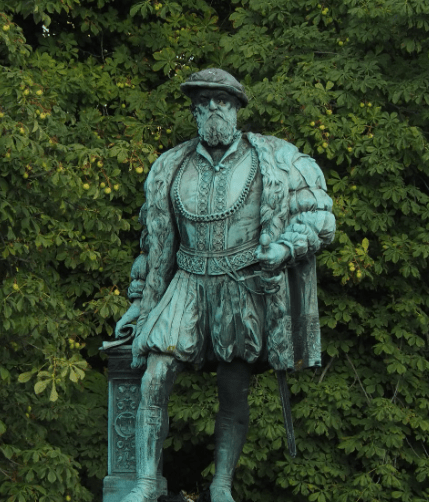
There are books we read for fun, books we read to learn, and books that try to change us. Edmund Spenser wrote books that tried to change people. He did not think poetry should just entertain. For Edmund Spenser, every poem had a purpose. A poem should make us think, inspire us and encourage us to be people. This was a goal, but Edmund Spenser spent his life trying to prove that literature could shape not just culture but also the people in it.
Edmund Spenser was born around 1552, when Queen Elizabeth I was in charge. He saw England become a cultural power in Europe. People were exploring places, art was thriving, and the English language was becoming more powerful. Beneath all this excitement, there were also big questions about what kind of country England wanted to be. Edmund Spenser thought literature could help answer these questions. Instead of writing about politics directly, he created a fantasy world with knights, dragons and magical places. This world invited readers to go on a journey that was really about thinking about morality and human nature.
This world became The Faerie Queene, one of the most ambitious poems in English. On the surface, it seems like a fantasy story with heroes and mythical creatures. Some people might even see similarities with writers like J. R. R. Tolkien and C. S. Lewis. Beneath every adventure there is another story. Each knight represents a virtue, and every challenge they face is a test of their strength. Edmund Spenser understood that the biggest battles are often inside us, where we fight against our weaknesses.
One reason The Faerie Queene is still interesting to scholars is that it can be read in different ways. It is a story, a political allegory, a reflection on Christian ethics and a celebration of Queen Elizabeth I. This layered storytelling shows Edmund Spenser’s confidence as a writer. He trusted his readers to look beyond the surface and find meanings, like a traveller discovering hidden treasures.
The language of Edmund Spenser’s poetry is also remarkable. At a time when English literature was still developing, he experimented with words, new spellings and musical rhythms to give his poetry a timeless feel. Some readers might find his style challenging at first. Those who slow down often discover beautiful verses. His descriptions of nature and imaginary landscapes are so vivid they seem like paintings. For Edmund Spenser, imagination was not an escape from reality. A way to understand it better.
Edmund Spenser’s influence went beyond his stories to the structure of poetry. He created the Spenserian stanza, a pattern of nine lines with a rhyme scheme that produces a flowing rhythm. This innovation was admired by poets, including Lord Byron, John Keats and Percy Bysshe Shelley. It shows that literary revolutions can happen quietly through rhythms or forms that future generations embrace.
There is also a side to Edmund Spenser that is often overlooked. Among his poems is Amoretti, a sequence of sonnets inspired by his courtship of Elizabeth Boyle, whom he later married. Unlike love poems of the time, Edmund Spenser celebrated a relationship that grew into marriage. His wedding poem, Epithalamion, is one of the nuptial poems in English because it captures not just romantic love, but also the excitement and hope of starting a new life together.
Although Edmund Spenser’s name is sometimes overshadowed by Shakespeare, his influence on English literature is undeniable. Shakespeare admired Edmund Spenser’s work, and later generations of poets found inspiration in his imagination and language. Importantly, Edmund Spenser showed that fantasy could carry serious ideas without losing its sense of wonder. Long before modern fantasy became popular, he proved that imaginary worlds could illuminate human struggles.
In today’s world, stories are often judged by how they entertain us. Edmund Spenser reminds us that the greatest stories offer something lasting. They challenge us to think about the kind of people we are becoming. They ask whether courage can survive fear, whether kindness can overcome pride, and whether integrity still matters. These questions are not just for the past; they are for every generation, including ours. That is why Edmund Spenser continues to deserve his place among the poets who changed literature forever.
John Milton
John Milton – The Blind Poet Who Refused to Let Darkness Silence His Imagination
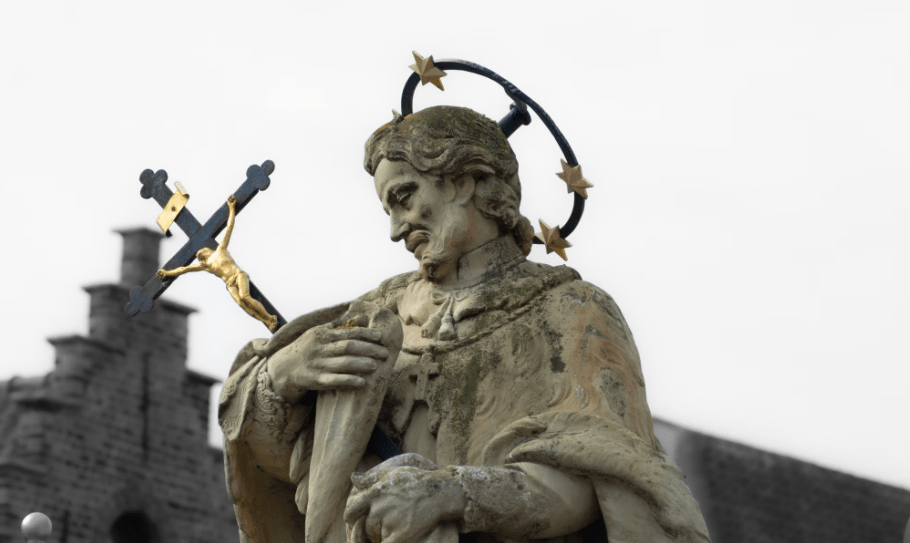
History remembers writers for what they achieved, but John Milton is remembered for how he achieved it. Imagine losing your eyesight as a writer. For John Milton, blindness became the start of his work. Born in London in 1608, John Milton grew up during a time in English history. The country was divided by conflict, religious disagreements and civil war. Unlike some poets, John Milton believed that literature and politics were connected. He wrote about freedom of speech, education and the responsibilities of those in power. His famous work, Areopagitica, remains one of the influential defences of free expression.
When John Milton began composing Paradise Lost, his life had changed dramatically. He was completely blind. Many thought his literary career was over. To give up, John Milton relied on his memory and discipline. Every morning he would compose lines of poetry in his mind before dictating them to others. This required patience and concentration. Thousands of lines filled with imagery and philosophical reflection existed in his mind before they were written down.
At a glance, Paradise Lost seems to retell the story of Adam and Eve. It is more complex than that. John Milton was exploring questions that still challenge us today. Why do people choose to do wrong? Is freedom meaningful without the possibility of failure? Can obedience exist without choice? John Milton invites readers to think about these questions, trusting them to understand as he did.
One of the surprising aspects of Paradise Lost is how John Milton portrays Satan. Satan is charismatic, intelligent and flawed. Early readers were fascinated by this complexity, and later the poet William Blake noted that John Milton was “of the Devils party without knowing it.” This does not mean John Milton admired evil but that he understood that memorable characters are never one-dimensional. Even those who make choices have qualities that make them human. This psychological depth helped shape the future of storytelling.
John Milton’s influence extends beyond literature. His ideas about liberty inspired thinkers, and his poetic vision influenced writers like William Wordsworth, Percy Bysshe Shelley and T. S. Eliot. His work shows that physical limitations do not have to restrict greatness. Importantly, John Milton reminds us that creativity does not depend on perfect circumstances. Some of humanity’s achievements come from people refusing to give up when life becomes difficult.
In a world that often celebrates success, John Milton’s life offers a different lesson. Greatness is rarely born from comfort. It is forged through persistence, discipline and a belief that when one door closes, the imagination can still open another. That is why John Milton remains one of England’s poets and a figure who inspires us.
William Blake
William Blake – The Visionary Who Saw Entire Universes in a Single Flower
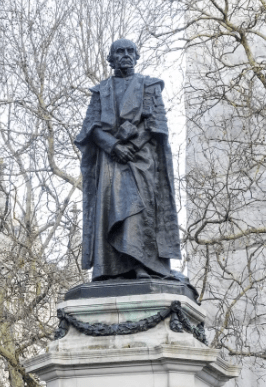
William Blake – The Visionary Who Saw Entire Universes in a Single Flower
William Blake was a special kind of revolutionary. He did not carry a sword or a gun. Instead, he used a paintbrush and his imagination to change the world. Many people thought he was strange or eccentric during his lifetime. Today we think he was one of the most original artists and poets in history.
Blake was born in London in 1757. As a child, he had a powerful imagination. He said he saw angels and heavenly figures when he was a boy. These visions helped shape his writing and art. Unlike most poets, Blake was also a very skilled painter and engraver. He believed that words and pictures should work together. So he printed his own books, creating pages where the poetry and artwork were combined.
Blake is famous for his collections of poems called Songs of Innocence and of Experience. These poems ask a big question: what happens to our innocence as we grow up? In one poem, The Lamb, Blake celebrates the purity and wonder of childhood. In another poem, The Tyger, he asks how the same God who made a lamb could also make a fearsome tiger. This question is not really about God. It is about the contradictions in the world and in ourselves. Blake knew that people are capable of kindness and great cruelty at the same time.
One of Blake’s strengths was that he did not separate his imagination from the truth. During the Industrial Revolution, Britain was becoming richer and more advanced. Blake saw the darker side of progress. He saw children working in conditions of poverty and environmental destruction. He did not write speeches. Instead, he wrote poetry that showed the truth. In his poem London, he walks through the city and sees the suffering hidden beneath the wealth.
Blake believed that imagination was not a way to escape reality. It was a way to reveal the truths that society preferred to ignore. One of his famous lines is from a poem called Auguries of Innocence: “To see a World in a Grain of Sand / And a Heaven in a Wild Flower.” These words show that Blake could see the world in a small grain of sand or a flower. He thought that every part of life was full of wonder. His poetry invites us to slow down and look carefully at the world.
Sadly, Blake did not sell many books during his lifetime. He was not well known until after he died. Today his influence is huge. He inspired artists, musicians and writers. Blake proved that creativity should not be limited by what’s considered normal.
In a world that is dominated by technology and distractions, William Blake reminds us that not everything valuable can be measured or explained. Some truths can only be discovered through imagination. Sometimes the people who are seen as dreamers are the ones who teach us to see the world in a new way.
William Wordsworth
William Wordsworth – The Poet Who Taught the World to Listen to Nature Again
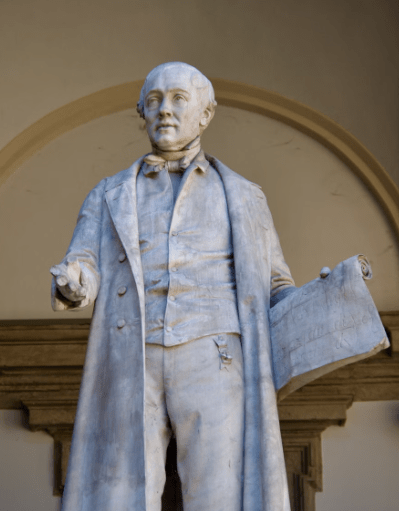
William Wordsworth was a poet who taught the world to listen to nature. There was a time when people thought mountains and forests were scary and uncivilized. Wordsworth had a new idea: maybe nature was not something to conquer but something to listen to.
Wordsworth was born in 1770 in a part of England called the Lake District. He grew up surrounded by lakes, valleys and hills that inspired his poetry. His childhood was not easy. He lost his mother when he was eight years old and his father when he was thirteen. Wordsworth found comfort in nature. The rivers and hills became his friends.
As a man, Wordsworth was excited about the French Revolution. He believed it would bring liberty, equality and justice. When he visited France, he saw violence and bloodshed. This experience changed his poetry. Instead of writing about politics, Wordsworth turned to nature and the lives of ordinary people.
One of his famous collections of poems is called Lyrical Ballads. He wrote it with his friend Samuel Taylor Coleridge. This book is considered the beginning of the Romantic Movement. It is more than that. Wordsworth believed that poetry should speak in the language of people and celebrate ordinary experiences. He thought that a shepherd, a child or a field of flowers was just as important as kings and warriors.
One of Wordsworth’s famous poems is called I Wandered Lonely as a Cloud. It is a walk he took and the field of daffodils he saw. The poem is not about flowers. It is about how memories can make us happy even when we are feeling sad. Wordsworth knew that beautiful experiences can stay with us long after they are over.
Wordsworth had an important idea about poetry. He said it was “the overflow of powerful feelings… Recollected in tranquillity.” This means that poetry is not about writing down our emotions when we feel them. It is about reflecting on those emotions and understanding them better.
Wordsworth’s sister, Dorothy, was an important person in his life. She kept a journal of the things they saw and experienced together. Many of the images in Wordsworth’s poetry came from Dorothy’s journal. Their relationship shows that great literature is not about individual genius. It is also about the people who support and inspire us.
Wordsworth’s influence is still felt today. He inspired people to care about nature and the environment. He showed that poetry could be written in language and still be beautiful. He influenced writers, including Matthew Arnold, Thomas Hardy and Robert Frost.
In a world where many people spend more time looking at screens than at nature, Wordsworth’s poetry is more important than ever. He reminds us that nature is not a backdrop to our lives. It is a part of who we’re. Taking a walk in nature can be very healing. Wordsworth knew this centuries ago. Sometimes the best teacher is not a person. The natural world.
Samuel Taylor Coleridge
Samuel Taylor Coleridge – The Poet Who Turned Imagination into a Living Force
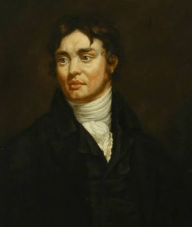
Some people write about the world the way it is. Samuel Taylor Coleridge was not like that. He liked to imagine worlds that are hard to believe, but he made us believe in them anyway. Coleridge thought that imagination is not a way to escape from the world but a way to understand it better. He wrote poetry that mixed life, memories, fears, and fantasies. His work shows us that our minds can create worlds that are just as real as the one we live in.
Samuel Taylor Coleridge was born in 1772 in Devon, England. This was a time when people thought reason and science were the important things. Coleridge was interested in things that could not be explained by logic. He became friends with William Wordsworth, and together they wrote a book of poems called Lyrical Ballads in 1798. This book changed poetry forever. Wordsworth liked to write about everyday life and nature, but Coleridge liked to write about strange and supernatural things. He took readers to places with magic, ghosts, and dreamlike visions. Coleridge and Wordsworth started the Romantic Movement, which showed that feelings and imagination are just as important as reason.
One of Coleridge’s most famous poems is The Rime of the Ancient Mariner. It starts out as a story about a boat trip, but it becomes a deep meditation on guilt, forgiveness, and how humans treat the earth. The sailor kills a bird called an albatross for no reason, and it brings him bad luck. The poem is really asking a big question: what happens when we forget that all living things are important? This poem is still relevant today because we are worried about taking care of the earth and the consequences of our choices. Coleridge turned a spooky story into a meditation on right and wrong.
Another remarkable poem by Coleridge is Kubla Khan. He said it came to him in a dream after he took opium and read about a king named Kublai Khan. He woke up with many lines of poetry in his head. Then someone came to visit, and he forgot some of it. We do not know if this really happened, but it is a famous story. The poem is beautiful because it feels like a dream and reminds us that ideas can be fleeting.
Coleridge did not just write poetry; he also wrote about literature and philosophy. His book Biographia Literaria contains ideas that are still used today to study literature. One of his ideas was the “willing suspension of disbelief.” He said that readers will believe things in a story if the writer makes it feel real. This idea changed the way stories are told. It is why we can believe in kingdoms, monsters, and space movies and still care about the characters.
Samuel Taylor Coleridge had a life marked by health problems, money troubles, and addiction to opium. These things often stopped him from working. He did not finish a lot of his projects. He was always curious, and his friends said he was a great talker who could keep people listening for hours. Even though he did not write as much as people wanted, his poems were always original and influenced later writers like Edgar Allan Poe, Ralph Waldo Emerson, and Jorge Luis Borges.
Samuel Taylor Coleridge shows us that imagination is not just for artists. It is something that makes us human. Every new idea, invention, and change starts in someone’s mind. His poetry encourages us to be curious, ask questions and look inside ourselves for answers. That is why Samuel Taylor Coleridge is one of the greatest poets of all time and why his imagination can still change the way we think about the world.
Percy Bysshe Shelley
Percy Bysshe Shelley – The Revolutionary Who Believed Poetry Could Change the World
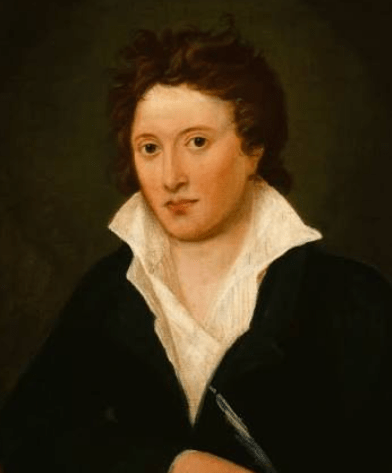
Percy Bysshe Shelley was a poet who did not like to stay quiet. He wanted to challenge the things that were not right. Shelley believed that poetry could make people think about changing the world. He thought that words could inspire people to stand up for what’s right and fight against injustice. For Shelley, poetry was a tool that could make a difference in people’s lives.
Percy Bysshe Shelley was born in 1792 into a wealthy family in England. He had a lot of advantages that many people did not have. Instead of being satisfied with his life, Shelley questioned the way things were. When he was a student at the University of Oxford, he wrote a pamphlet called The Necessity of Atheism. This pamphlet went against the beliefs of the church.
The university did not approve. They expelled him. This was the start of a life where Shelley always spoke his mind. He did not separate his thoughts from his writing. Shelley was very critical of the government and the way people were treated unfairly. He was not afraid to say what he thought, even if it meant people would not like him.
One of Shelley’s famous poems is Ode to the West Wind. In this poem, the wind is a symbol of change and new beginnings. The wind blows away the leaves, but it also spreads seeds that will grow into new plants. Shelley knew that sometimes you have to let go of things before new things can happen. At the end of the poem, he writes, “If Winter comes, can Spring be far behind?” This line has become a message of hope for people who are going through hard times. It reminds us that hard times do not last forever and that better days will come.
Shelley also wrote a poem called The Masque of Anarchy. He wrote this after the Peterloo Massacre in 1819, when many people were hurt during a peaceful protest. Instead of calling for violence, Shelley encouraged people to stand up for what is right in a peaceful way. Years later, leaders like Mahatma Gandhi read this poem and were inspired by its message of non-violent resistance. Not many poets have been able to inspire people to think about politics and still write beautiful poetry.
Shelley wrote a lot about freedom. His own life was not easy. He faced criticism from the public, financial problems, and personal sadness. Many of the people close to him were shocked by his lifestyle. Those who knew him well said that he was a kind and compassionate person who wanted the world to be a better place. Shelley never accepted things the way they were. He always thought about how things could be better.
Shelley’s friendships were also very important. He was close friends with Lord Byron, and they shared some remarkable experiences together. One of these was when they met at Lake Geneva, where Mary Shelley got the idea for her novel Frankenstein. Percy encouraged Mary to write. This shows that great writing can come from working together. His influence went beyond his own poems and helped create a new way of thinking that changed literature in the 19th century.
Sadly, Percy Bysshe Shelley’s life was cut short. In 1822, when he was 29 years old, he died in a sailing accident off the coast of Italy. This was a shock to the world, and many people wondered what other great works he would have written if he had lived longer. Even in his short life, Shelley wrote poems that are still inspiring people today. Poets like Robert Browning, W. B. Yeats and Rabindranath Tagore admired his imagination and his belief that literature could change people’s lives.
Percy Bysshe Shelley reminds us that poetry is not just about describing the world. It is about imagining how the world could be. His words still encourage us to stand up against injustice, to hold on to hope, and to believe in the power of ideas. After all these years, Shelley’s voice is still heard, telling us that every great change starts with someone who is brave enough to imagine it. That is why Percy Bysshe Shelley is one of the greatest poets of all time, and his poetry is a quiet but lasting revolution.
John Keats
John Keats. The Young Poet Who Found Eternity in Beauty
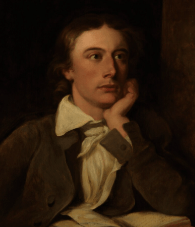
People usually think that a life is measured by how long it lasts. John Keats did not live a long life. He was twenty-five years old when he died. His words are still remembered today. John Keats showed us that beauty is not just something we look at. It helps us deal with hardship and understand love. Keats believed that even a short life can create something that will last forever. His own life is a great example of that.
John Keats was born in London in 1795. His family had a hard life. His father died when Keats was eight years old. His mother died a year later. Keats had to learn to take care of himself at an early age. He first studied to be a doctor and a pharmacist. This job showed him how fragile the human body is. Writing poetry helped him understand how strong the human spirit can be.
Unlike other writers of his time, Keats was not interested in writing about politics or social issues. He was interested in something more personal: the connection between beauty and death. His famous poem, Ode on a Grecian Urn, explores this idea. The poem is about a work of art that shows figures who are forever young, while the people who look at the art are getting older. Keats wrote a famous line in this poem: “Beauty is truth, truth beauty.” Many people have debated what this line means. Maybe its strength is that it is a mystery. Keats did not want to give easy answers. He wanted readers to think for themselves.
Keats also wrote a poem called Ode to a Nightingale. The poem starts with the song of a bird. It becomes a meditation on suffering, imagination, and the desire to escape pain. The nightingale represents something beyond time, while humans are stuck in time and have to deal with loss and change. Keats does not think this is a reason to be sad. He thinks that knowing life is short is what makes beautiful moments so precious. A flower is beautiful because it does not bloom forever. A song is moving because it will eventually fade away.
One of Keats’s contributions to literature is the idea of “negative capability.” Keats believed that great writers can be comfortable with not knowing everything. They do not have to explain everything. They can accept mystery, contradiction, and complexity. This idea was different from what people thought at the time. It still influences writers, philosophers and artists today. Keats reminds us that sometimes wisdom comes from accepting that we do not have all the answers.
Keats’s personal life was very sad. He fell in love with a woman named Fanny Brawne. He got sick and could not build a life with her. Keats had tuberculosis. He went to Italy hoping to recover. He did not recover. He died in Rome in 1821, thinking that his poetry would be forgotten. That is not what happened. John Keats is still one of the greatest poets of all time.
Although Keats did not receive much recognition while he was alive, later generations realized how great he was. Other poets like Alfred, Lord Tennyson, W. B. Yeats, and T. S. Eliot admired his work. Keats’s poetry is still loved today. He shows us that greatness is not measured by how long we live. It is measured by what we create. Keats’s poetry teaches us to appreciate beauty in fleeting moments and find meaning in life’s impermanence.
Emily Dickinson
Emily Dickinson. The Woman Who Whispered to Eternity
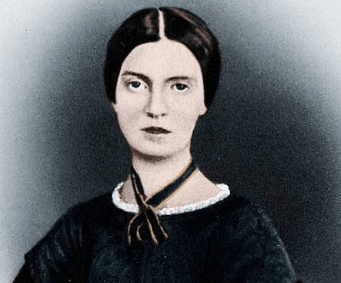
Some people become famous because many people know them. Others are not known until after they die. Emily Dickinson was the second kind of person. She did not like to speak in front of people. She did not travel much. She only published a handful of poems while she was alive. Today she is known as one of the most original and influential poets in American literature. Emily Dickinson’s story shows us that greatness does not always come with applause. Sometimes it grows quietly, waiting for people to notice.
Emily Dickinson was born in Amherst, Massachusetts, in 1830. She came from a well-established family and received a good education. As she got older, she started to withdraw from public life. She spent most of her time at home. Many people thought she was a recluse. Being alone was not a bad thing for Emily Dickinson. It was a time for her imagination to grow. While the world outside was getting louder and more complicated, Emily Dickinson looked inside herself. She wrote about feelings and questions that people still think about today.
Death was a recurring theme in Emily Dickinson’s poetry. She did not write about it because she was sad. She wrote about it because she wanted to understand life. In one of her poems, Because I could not stop for Death, she talks about death as a companion who is taking her on a journey. This was an unusual way of thinking about death. Emily Dickinson showed that poetry could explore difficult subjects without losing hope.
Emily Dickinson also loved nature. She could write a poem about a small bird or a flower. She did not need grand landscapes to inspire her. She thought that ordinary things could be extraordinary if you looked closely. Her poetry reminds us that life does not always teach us lessons through big events. Sometimes the lessons are in moments that we almost miss.
Emily Dickinson changed the way poetry was written. She did not follow the rules of grammar and structure that other writers followed. She used dashes and capital letters in unconventional ways. She wrote in a way that was natural and spontaneous. This confused some people when she was alive. Now poets love her style because it is free and honest.
After Emily Dickinson died in 1886, people found nearly 1,800 poems that she had written, hidden in her room. If her family had not kept them, the world might not have known about her poetry. At first, editors changed her poems to make them sound more conventional. Now people can read her poems the way she originally wrote them, and they love her unique voice.
Today, Emily Dickinson’s influence is not just in literature. It is felt around the world. Her poetry addresses identity, faith, loneliness, and hope — things that people still think about today. Many writers have been inspired by Emily Dickinson’s courage and honesty. She showed that poetry does not have to be loud to be great. Sometimes the quietest voices say the most important things.
Emily Dickinson reminds us that a meaningful life does not have to be public. Sometimes the most important things happen in silence. Her poetry encourages us to appreciate small moments and find meaning in life’s impermanence. That is why Emily Dickinson is still one of the greatest poets of all time. She shows us that even a whisper can be heard for centuries.
Walt Whitman
Walt Whitman – The Poet Who Gave Ordinary People a Place in Literature
For a long time, poetry was mostly about kings, heroes and mythical figures. Regular people were not often the subjects of great literature. Walt Whitman changed that. He thought every person’s life, no matter how ordinary it seemed, was important and worth celebrating. A farmer working in the sun, a carpenter with calloused hands, a mother taking care of her family, or a labourer going home after a long day — Whitman saw poetry in all of them. He changed literature and the way people thought about who poetry was for.
Walt Whitman was born in 1819 on Long Island, New York. He grew up in a country still trying to figure out who it was. He worked as a printer, teacher, journalist and editor before becoming a full-time writer. These jobs helped him meet people from all walks of life. He believed that literature should be for everyone, not just a privileged few. Whitman wanted poetry to sound like conversation. He thought a country’s soul could be found in its streets, farms, workshops and cities.
Whitman’s book, Leaves of Grass, took him 40 years to revise and expand. He treated it like an ongoing conversation with his readers. Each new edition reflected the changes in his life and in America. The main idea was that every person matters — whether you are rich or poor, educated or not, famous or unknown, every person adds to the story of humanity.
Whitman’s writing style was new and different. He used free verse, which let his lines flow like natural speech. Some critics thought his poetry was chaotic because it didn’t follow traditional rules. What seemed unusual became a defining feature of modern poetry. Writers around the world realised that emotions and truth didn’t always need strict rules. Sometimes freedom itself could be the poem’s form.
The American Civil War changed Whitman’s life and writing. He volunteered in hospitals, taking care of wounded soldiers from both sides. He saw suffering, courage and compassion up close. These experiences made his later poems quieter, reflective and filled with empathy for people whose stories are often forgotten. Whitman knew that greatness is not just about winning, but also about kindness during hard times.
One of Whitman’s famous poems, Song of Myself, is a celebration of individuality and connection. He said that every human experience was connected to his own. His line “I am large, I contain multitudes” shows the complexity of human identity. We are not defined by one role, belief or experience. Like Whitman, every person has stories, contradictions and possibilities inside.
Whitman’s influence goes beyond American literature. His free verse inspired poets like Pablo Neruda, Langston Hughes and Allen Ginsberg. His celebration of democracy, equality and human dignity still resonates today. Modern spoken word poetry, performance poetry and songwriting owe much to Whitman’s freedom of form. He proved that poetry can be grand without being distant and philosophical without losing its humanity.
In a world that often measures people by status, wealth or success, Walt Whitman offers a different view. He reminds us that every life has value simply because it exists. Every voice deserves to be heard; every story deserves to be told. Every person adds something unique to the human experience. That is why Walt Whitman remains one of the greatest poets of all time, showing that literature is most powerful when it recognises the extraordinary beauty in ordinary lives
Rabindranath Tagore
Rabindranath Tagore – The Poet Who Gave the World the Soul of India
Some writers speak for a generation. Others speak for a nation. Rabindranath Tagore spoke for humanity. His poetry crossed languages, cultures and continents without losing its power. At a time when the world often divided people by race, nationality and religion, Tagore wrote about what connects everyone: the search for truth, beauty, freedom and compassion. His words still remind us that the human heart speaks a language that no border can contain.
Rabindranath Tagore was born in 1861 into a family in Kolkata, India. His family played a role in the Bengal Renaissance, a time of cultural and intellectual awakening. Tagore studied in England. He believed that true education should encourage curiosity, not blind obedience. He challenged learning systems and encouraged creativity, independent thinking and a connection with nature. These beliefs inspired him to start Visva-Bharati University, where cultures from around the world could come together.
Tagore’s famous work, Gitanjali, introduced readers to a deeply spiritual yet human vision of life. The poems are conversations between the individual soul and the divine, but they never lose sight of everyday emotions. Tagore found spirituality in moments – a sunrise, a child’s laughter or kindness between strangers. This ability to find the universal in the ordinary made his poetry accessible to readers across cultures and faiths.
In 1913, Rabindranath Tagore became the non-European writer to win the Nobel Prize in Literature. This achievement changed the world’s perception of literature. His Nobel Prize was not a personal honour; it introduced readers to the richness of Bengali poetry and showed that great literature can come from anywhere. Tagore used his reputation to promote dialogue between Eastern and Western cultures, believing that humanity grows stronger through understanding.
Tagore’s influence went beyond poetry. He wrote novels, essays, plays, short stories and over 2,000 songs, many of which are still part of culture. Two of his compositions became anthems: “Jana Gana Mana” for India and “Amar Shonar Bangla” for Bangladesh. No other poet has contributed anthems to two countries, showing the extraordinary reach of his artistic vision.
One of the known moments of Tagore’s life was his decision to renounce a knighthood in 1919 after the Jallianwala Bagh Massacre. He believed that honour loses its meaning when justice is denied. This act showed that his commitment to dignity went beyond his poetry.
Tagore’s influence reached great thinkers of the 20th century. Mahatma Gandhi admired him. Albert Einstein had remarkable conversations with him discussing science, truth and reality. These exchanges showed Tagore’s ability to bridge literature, philosophy and science without reducing their complexity.
In a world often defined by conflict and division, Rabindranath Tagore’s poetry remains a reminder of our shared humanity. He believed that patriotism should not become hatred, education should awaken compassion, and art should unite people. His words encourage us to look beyond differences and recognise the dignity in every being. That is why Rabindranath Tagore remains one of the poets of all time, proving that literature reaches its highest purpose when it helps us understand our shared humanity.
W. B. Yeats
W. B. Yeats – The Poet Who Turned a Nation’s Dreams into Timeless Poetry
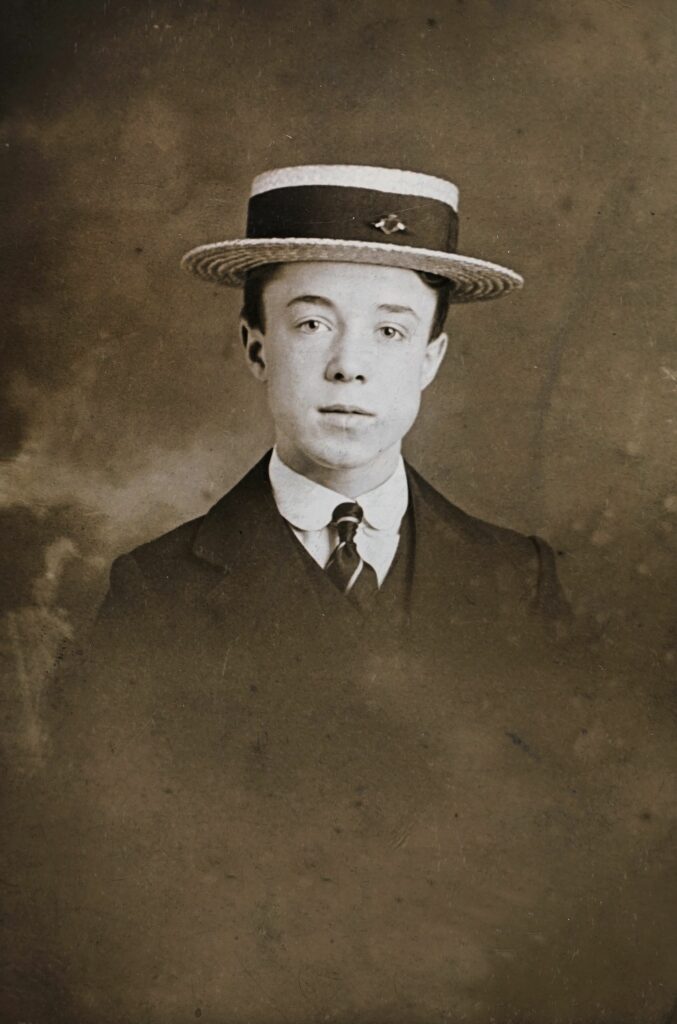
Some poets describe history. Others become part of it. William Butler Yeats did both. He witnessed Ireland’s struggle to define itself and transformed those experiences into poetry that still speaks to people today. Yeats was not just a political poet. He asked a question: How do we find meaning in a world that is always changing? That question still feels urgent today.
William Butler Yeats was born in Dublin in 1865, during a period when Ireland remained under British rule. As a young writer, he became deeply interested in Irish folklore, mythology and ancient legends. At a time when many believed progress meant leaving the past behind, Yeats looked in the opposite direction. He believed a nation’s identity could only survive if it remembered its stories. Fairies, warriors and mythical heroes were never merely fantasy for Yeats. They represented a cultural memory that deserved to be preserved. Through his poetry, he helped revive interest in Irish traditions that might otherwise have faded into history.
One of the influences on Yeats’s life was his love for Maud Gonne. He asked her to marry him many times, but she said no. This unfulfilled love became a part of his poetry. Instead of letting rejection stop him, Yeats turned his longing into art. Many of his poems show that love isn’t always about owning someone. Sometimes it’s about how it changes the person who feels it. His work reminds readers that unanswered love can create something beautiful.
Yeats’s poetry changed a lot as he got older. His early poems were full of landscapes and romantic images. Later, his poems became sharper and darker as he saw war and social change. One of his famous poems, The Second Coming, was written after World War I and the Irish War of Independence. Its opening line, “Things fall apart; the centre cannot hold “, is still widely quoted today. Those words keep appearing when societies face uncertainty, showing Yeats’s foresight.
Beyond poetry, Yeats played a role in shaping Irish culture. He co-founded the Abbey Theatre in Dublin, giving playwrights and actors a national stage. He believed literature shouldn’t just be in books but in public life. After Ireland became independent, Yeats was appointed to the Irish Senate, where he fought for education, culture and artistic freedom. Few poets have influenced their country’s political identity as much as Yeats.
Yeats was also interested in mysticism. The unseen forces that shape human experience. He studied philosophies and spiritual traditions, believing that reality goes beyond what we can see. His book A Vision explored ideas about history and civilisation. Although some readers found these theories unusual, they show Yeats’ determination to understand humanity’s place in the universe. His poetry encourages readers to stay curious about mysteries that logic can’t explain.
In 1923 Yeats won the Nobel Prize in Literature, becoming the Irish writer to do so. The Nobel Committee praised his work for giving voice to the spirit of a nation while achieving great beauty. After international recognition, Yeats kept experimenting with language and ideas rather than repeating earlier successes. His willingness to evolve throughout his career is one reason his poetry still feels alive today.
William Butler Yeats reminds us that literature preserves more than stories. It preserves identity, memory and hope. His poetry teaches us that nations are built not through politics and power but also through imagination, culture and dreams. Long after the conflicts that shaped his lifetime have passed, Yeats’s words continue to inspire readers searching for beauty, wisdom and resilience. That is why W. B. Yeats remains one of the poets of all time, proving that poetry can become the heartbeat of an entire nation.
T. S. Eliot
T. S. Eliot – The Poet Who Gave a Voice to the Modern Mind
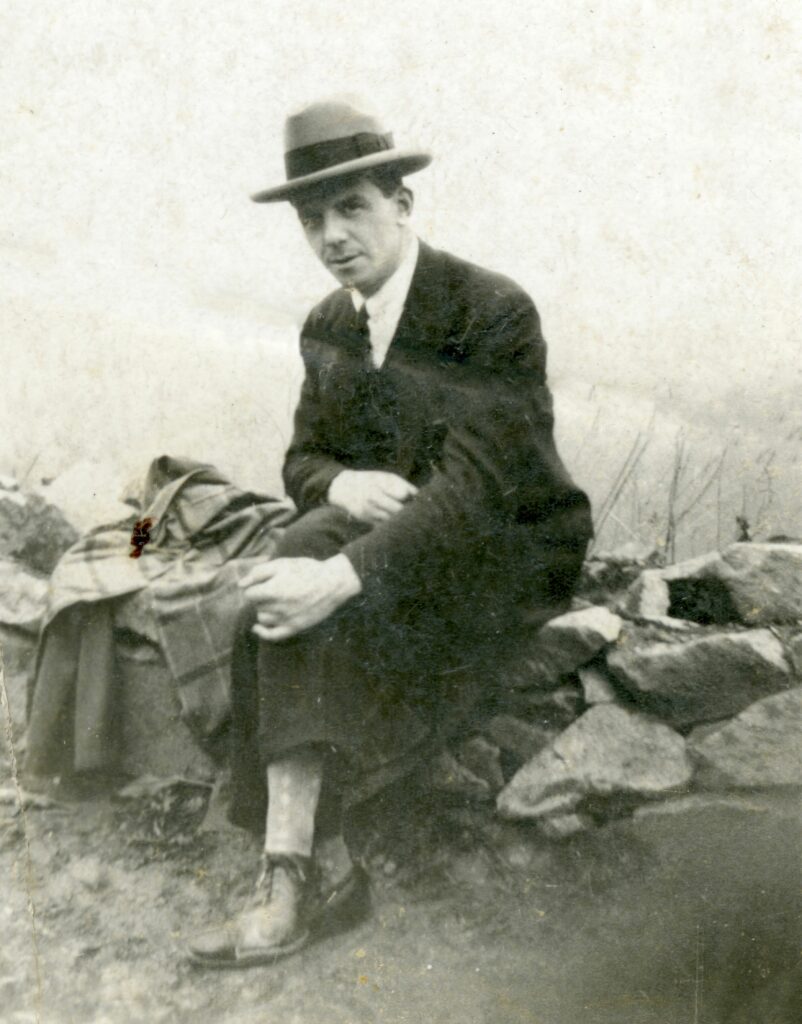
Every generation has its questions. Some ask how to build a future. Others wonder if the future still makes sense. T. S. Eliot belonged to a generation that was deeply uncertain. After World War I, many people struggled to believe in the values that had once guided society. Eliot captured this uncertainty with honesty. He explored loneliness, spiritual emptiness and the search for purpose in a changing world. His poetry became a mirror reflecting the anxieties of civilisation.
Thomas Stearns Eliot was born in St. Louis, Missouri, in 1888. He came from an educated American family and studied philosophy and literature at Harvard. He then continued his education in Paris and Oxford. Eventually, he settled in England and became one of the most influential literary figures of the twentieth century. His broad education exposed him to different ideas and cultures. These influences allowed him to create poetry that felt both personal and universal.
Eliot changed literature with his poem The Waste Land in 1922. At a glance, the poem appears fragmented and difficult. It moves suddenly between voices, languages and historical periods. This complexity reflects the world Eliot was trying to describe. Europe after World War I no longer felt whole. Traditions had been disrupted. Many people felt disconnected. Eliot made fragmentation part of the poem’s structure, creating a masterpiece of modernism.
Another important work, The Love Song of J. Alfred Prufrock, introduced readers to a new kind of protagonist. Prufrock is intelligent but uncertain, capable but paralysed by self-doubt. His question, “Do I dare?” captures a feeling that many readers can recognise. Eliot understood that modern struggles often happen quietly within the mind. He explored anxiety, insecurity and the fear of not fully living a life.
Although Eliot’s poetry often appears demanding, it was never written just to impress scholars. He believed literature should reflect the complexity of experience. His poems reward close reading because they invite readers to make unexpected connections. Eliot trusted his audience to think deeply, believing that great poetry should challenge us rather than merely entertain us.
One little-known aspect of Eliot’s life is that he worked at Lloyds Bank in London while writing some of his most important poems. By day he handled financial documents. By night he produced literature that would transform twentieth-century poetry. This contrast reminds us that creativity often grows within routine. Great artists do not always wait for ideal conditions. They create despite the demands of everyday life.
Eliot’s influence went beyond his own writing. As an editor at Faber & Faber, he helped discover new literary voices. He shaped the future of literature as both a poet and a mentor. His critical essays remain foundational texts in literary studies. In 1948, he received the Nobel Prize in Literature, recognising his achievements and his influence on modern literary thought.
In a world filled with noise and information, T. S. Eliot’s poetry encourages us to pause and ask deeper questions. What gives life meaning? Can hope survive disappointment? How do we stay connected in a fragmented world? These are not questions with easy answers, and Eliot never pretended otherwise. Instead, he showed that wisdom often begins with facing uncertainty. That is why T. S. Eliot remains one of the greatest poets of all time, proving that literature helps us understand the questions that define our humanity.
Pablo Neruda
Pablo Neruda – The Poet Who Taught the World That Love Can Speak Every Language
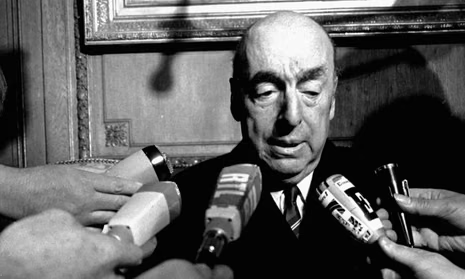
Pablo Neruda wrote about love in a way that made it feel like it belonged to everyone, not just two people. He believed that every human feeling is important and should be expressed honestly. Whether he was writing about a lover’s smile or the great waves of the Pacific Ocean, his words were always full of emotion. Pablo Neruda showed that love can be personal and universal at the same time. His poetry proved that the language of the heart can cross borders and cultures without needing translation.
Pablo Neruda was born in a small town in Chile in 1904. He started using the name Pablo Neruda when he was a teenager because he was afraid his father would not approve of his writing. This name eventually became famous throughout literature. Growing up in Chile, Pablo Neruda loved nature, and it inspired his poetry. The sea, mountains, and trees appear often in his poems, reminding us that our lives are deeply connected to the natural world.
Pablo Neruda became famous around the world with his book Twenty Love Poems and a Song of Despair. He was only nineteen years old when it was published. This book is one of the best-selling poetry books in history because it talks about the real sides of love, not just the idealized version. Pablo Neruda’s poems celebrate passion, but they also acknowledge sadness and loss. For him, love was never perfect; it was complicated and human. This honesty made readers from different cultures relate to his words.
As Pablo Neruda’s career went on, he started writing about more than personal relationships. He cared about justice and the dignity of working people. His major work, Canto General, tells the story of Latin America through its people and landscapes, not its rulers. Pablo Neruda believed that history should belong to everyone, not just presidents and generals. He wanted to give a voice to the miners, farmers, and labourers who are often forgotten. In this way, he made poetry a powerful tool for telling the story of lived experience.
Pablo Neruda’s political beliefs had a lasting impact on his life and writing. Witnessing the Spanish Civil War changed him deeply. The death of his friend, the poet Federico García Lorca, made him realize that he could not stay silent in the face of injustice. After that, many of his poems became calls for freedom and human dignity. Even when writing about politics, Pablo Neruda never lost his beautiful language. He reminded readers that hope can survive in the darkest times.
One interesting thing about Pablo Neruda was how he found wonder in ordinary things. In his book Elemental Odes, he wrote poems about onions, tomatoes, bread, and socks. At first these might seem like unusual subjects for poetry, but Pablo Neruda believed that beauty is not just found in big moments but also in simple things. By celebrating the ordinary, he encouraged readers to appreciate the small miracles in life.
In 1971, Pablo Neruda won the Nobel Prize in Literature. The committee praised his poetry for bringing the dreams and destiny of a continent to life. His influence reaches writers, musicians, and artists around the world. His poems have been translated into many languages, showing that real emotion can cross cultural boundaries. Whether you read his love poems or his political reflections, you hear the same compassionate voice speaking to the heart.
Pablo Neruda reminds us that poetry should be connected to life. Love, loss, injustice, friendship, nature, and hope are all part of the human journey and should be part of literature. His work encourages us to find beauty even when things seem uncertain and to believe in the power of honest words to change hearts. That’s why Pablo Neruda is one of the greatest poets, proving that simple emotions can leave deep marks on history.
Langston Hughes
Langston Hughes – The Poet Who Gave a Voice to Dreams That Refused to Be Silenced
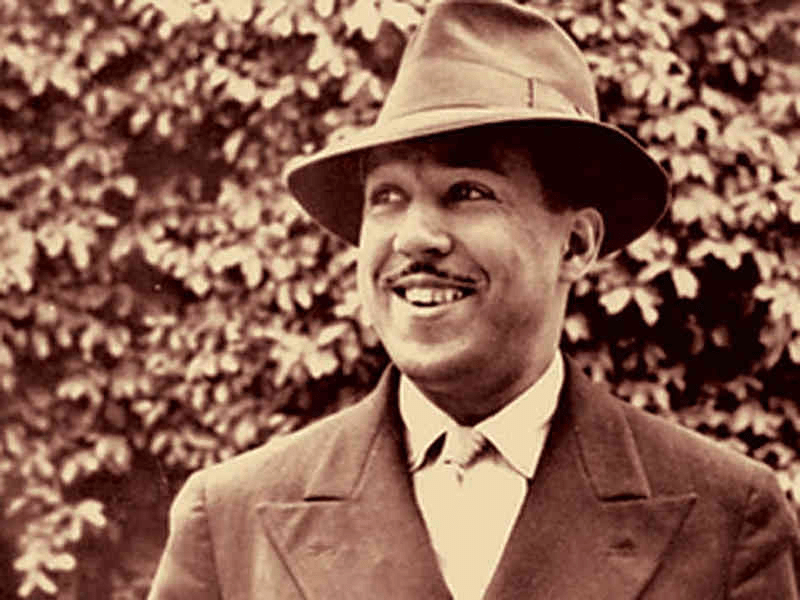
Langston Hughes was an artist who changed how people saw themselves. At a time when many African Americans faced discrimination and injustice, he wrote poems that celebrated dignity and strength. He believed that every community should see itself reflected in literature and that dreams should never be given up no matter what society says.
Langston Hughes was born in 1902 in Missouri during a difficult time for Black Americans. His childhood was marked by frequent moving, separation from family, and uncertainty, which taught him to be resilient from a young age. As he traveled across the United States and abroad, he witnessed both the hardships and the great strength of people. This made him believe that literature should speak to everyone — not just scholars, but also workers, musicians, students, and families whose voices were often ignored.
Langston Hughes was a central figure in the Harlem Renaissance, a cultural movement in the 1920s that transformed African American literature, music and art. Harlem became a symbol of creativity, pride and renewal. Through his writing, Langston Hughes celebrated identity without apology. He did not think writers should imitate established styles to be respected; instead, he used the rhythms of jazz, blues, and everyday speech to create a new kind of poetry.
One of Langston Hughes’s famous poems, “Harlem”, asks a question that still matters today: “What happens to a dream deferred?” Rather than giving one answer, the poem offers many images suggesting that ignored hopes can fade away, explode, or change lives in unexpected ways. This poem remains relevant because every society has people whose dreams have been delayed by inequality, poverty, or prejudice. Langston Hughes reminds us that when human potential is denied, it affects not just individuals, but whole communities.
Langston Hughes’s poetry is also known for its musical quality, inspired by jazz and blues. He captured the rhythms of speech in a way that few poets had done before. His poems feel like they are meant to be heard, not just read. This innovation influenced generations of artists and performers, showing that poetry can exist beyond the page. Langston Hughes understood that music and literature are both expressions of the human spirit.
Even though Langston Hughes became widely respected, he never forgot about the people who inspired his work. He kept writing about waiters, cleaners, factory workers, musicians and families working towards a better future. His literature reminds us that greatness is not just about famous people but also about those who quietly keep going through life’s challenges every day. In doing so, Langston Hughes expanded what poetry could be, making it include the stories of all kinds of people.
Langston Hughes reminds us that dreams are remarkably resilient. They might be delayed, questioned, or challenged. They do not have to disappear. His poetry encourages readers to celebrate their identity, stand against injustice, and believe that every voice matters. A century after he was born, his words remain a powerful reminder that literature is most meaningful when it helps people see their own worth. That’s why Langston Hughes is one of the greatest poets, proving that one voice can inspire generations to dream bigger and live more courageously.
Anna Akhmatova
Anna Akhmatova – The Poet Who Refused to Let Silence Defeat Truth
History remembers people who were in power. It also remembers those who told the truth even when it was very hard to do. Anna Akhmatova was one of those people. She lived through immense upheaval, wars and periods when the government was terrifying. She saw her friends disappear, her loved ones suffer, and many people become too afraid to speak up. Anna Akhmatova kept writing anyway. Her poems were not comforting words. They were a way to show that people can still be proud of who they are even when they are not free.
Anna Akhmatova was born Anna Gorenko in 1889 near Odesa. She started writing poetry during an exciting time for Russian literature. Many poets were experimenting and coming up with new ideas. Anna Akhmatova’s early poems were about love, memory and the quiet things that happen between people. She did not use excessive or complicated language. Every word she wrote meant something, and even the spaces between her words were important. People valued her poems because they were honest and real.
The Russian Revolution changed Anna Akhmatova’s life. Many writers and artists were in danger. Her husband, Nikolay Gumilev, was executed. Her son, Lev Gumilev, was imprisoned many times. Anna Akhmatova spent days waiting outside the prison with other women, hoping to hear news about their loved ones. One day, a woman asked her to describe what they were going through. Anna Akhmatova said, “I can.” This exchange was very important to her. It showed her what poetry should do. Poetry should not just be entertaining. It should tell the truth about the things that people suffer.
Anna Akhmatova wrote a powerful poem called Requiem. It was not about her own sadness alone. It was about all the mothers, wives and daughters who suffered because of the government. It was dangerous to publish this poem, so she did not write it down for years. Instead, her friends memorized it, then destroyed any written copies. The poem lived on in people’s memories, not on paper. This showed that when a government tries to silence people, ideas can still survive.
Anna Akhmatova’s life was very hard. Her poetry was never bitter or angry. She looked for kindness, strength and patience even when she wrote about difficult things. She knew that the government could lock people up, but it could not silence their spirits. Anna Akhmatova did not want people to feel sorry for her. She wanted them to see how strong ordinary people can be in the hardest times.
For years, Anna Akhmatova’s work was banned in the Soviet Union. In other countries, people started to recognize her as one of the greatest poets of the twentieth century. Writers like Joseph Brodsky admired her not just for her poetry but for her bravery. Today Requiem is studied around the world. It is both a poem and a reminder of the human spirit.
Anna Akhmatova reminds us that poetry is more than art. It is a way to remember the truth. Governments can change history, burn books, or silence people. They cannot erase the truth that people remember in their hearts. Her life teaches us that courage is not always loud. Sometimes it is the quiet decision to remember when others want us to forget. That is why Anna Akhmatova is one of the greatest poets of all time. She shows us that literature can be immortal when it protects the truth that humanity needs.
Rainer Maria Rilke
Rainer Maria Rilke. The Poet Who Taught Us to Embrace Lifes Unanswered Questions
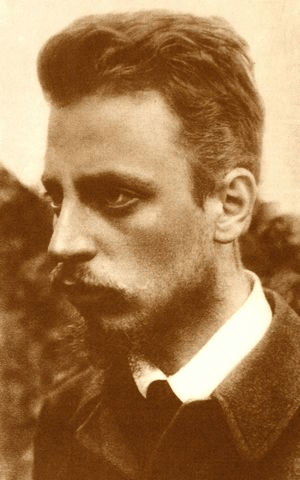
Today we often look for answers quickly. We want to be sure to know what to do and to have solutions away. Rainer Maria Rilke thought differently. He believed that some questions should not be answered quickly. He thought that living with questions can help us grow and learn. His poetry and letters still comfort people who’re unsure about their future. They remind us that growth often starts when we are not sure what to do.
Rainer Maria Rilke was born in Prague in 1875. His family wanted him to be a soldier. He wanted to write. He chose to follow his heart not what others expected of him. This was the time he decided to be true to himself even if it was hard. This courage to be himself would become a part of his writing.
Rilke traveled to countries in Europe like Russia, France and Italy. He met people learned about different cultures and saw many types of art. One of his friends was a famous sculptor named Auguste Rodin. Rodin taught Rilke to look to be patient and to really see the world. This changed Rilkes writing. Made his poetry very deep and sensitive.
Some of Rilkes works are Duino Elegies and Sonnets to Orpheus. They are about love, death, creativity and looking for meaning.. Letters to a Young Poet is what inspires people the most. Rilke wrote these letters to a man who wanted to be a writer. He told him to trust himself to be patient and to understand that not knowing everything is a part of growing up.
One of Rilkes important ideas is to “live the questions.” He meant that we should not rush to find answers. Instead we should let important questions grow and change over time. In todays world, where we often want answers this idea is very important. Rilke reminds us that true understanding does not come quickly. It comes from living, thinking and being open to life.
Rilke is remembered for his writing but he was also a poet who understood peoples emotions very well. He wrote about being alone but not in a way. He saw solitude as a chance to learn about oneself and to be creative. This has made his poetry very special to people who are going through changes or hard times.
Rilkes influence goes beyond literature. Many people, including psychologists, artists and philosophers find wisdom in his words about identity, creativity and life. His writing does not pretend to have all the answers. Instead it invites us to think about our lives and to be comfortable with not knowing everything.
Rainer Maria Rilke reminds us that we do not always need a plan or a quick answer. Sometimes the best things, in life come from being patient, living and learning over time. His poetry encourages us to trust our lives and not to compare them to others. That is why Rainer Maria Rilke is one of the poets of all time. He shows us that wisdom often starts with the courage to keep looking for answers even when it is hard.
Rumi
Rumi – The Poet Who Turned Longing into a Universal Language
Some poets write to be understood. Rumi wrote to help others understand themselves. Eight centuries after his death, he remains one of the most widely read poets in the world, translated into dozens of languages and quoted by people who share almost nothing else in common different faiths, different centuries, different corners of the earth. That reach is remarkable for a thirteenth-century Islamic scholar who wrote primarily in Persian. It suggests that Rumi was not just describing his own spiritual journey. He was describing something every human being recognizes: the ache of separation and the hope of return.
Jalal ad-Din Muhammad Rumi was born in 1207 in the city of Balkh, in what is now Afghanistan, though some historians place his birth further north in present-day Tajikistan. His family fled westward ahead of the Mongol invasions that were sweeping across Central Asia, eventually settling in Konya, in present-day Turkey, then part of the Sultanate of Rum. This early experience of displacement shaped him. Rumi understood, long before he wrote a word of poetry, what it meant to be exiled from home. That understanding would later become the emotional core of his work: the soul as a traveler separated from where it truly belongs.
For much of his early life, Rumi followed a conventional and respected path. He trained as a jurist and theologian, inherited his father’s position as a religious teacher, and led a community of scholars and students in Konya. He was, by every account, a serious and accomplished cleric. Nothing about his early career suggested he would become one of history’s greatest poets.
Everything changed in 1244, when Rumi met a wandering mystic named Shams of Tabriz. Their friendship was intense and transformative. Shams did not teach Rumi new facts about religion. He challenged Rumi to move beyond intellectual knowledge into direct, felt experience of the divine. Rumi later described this encounter as the moment his heart caught fire. He abandoned his formal teaching, stopped writing scholarly prose, and began composing poetry — extraordinary outpourings of longing, ecstasy, and love, often delivered spontaneously and later transcribed by his students.
When Shams disappeared a few years later, likely murdered by followers jealous of his closeness to Rumi, the loss devastated him. But grief did not silence Rumi. It became his subject. Much of his greatest poetry can be read as an extended meditation on losing someone you love and discovering that the love itself does not disappear with them. Rumi came to believe that the ache of loss was not something to escape, but a doorway. Separation, in his view, was the very engine of the spiritual life — it is what makes the soul yearn for reunion with its source.
Rumi’s most famous work, the Masnavi, runs to roughly 25,000 couplets and is sometimes called the “Quran in Persian” for its stature within the Persian-speaking Islamic world. It weaves together parables, jokes, folk tales, and scripture into a sprawling meditation on the soul’s journey back to God. Alongside it stands the Diwan-e Shams-e Tabrizi, a vast collection of lyric poems dedicated to the friend whose disappearance never stopped haunting his verse.
One of the qualities that makes Rumi feel timeless is his refusal to treat divine love as an abstract idea. He wrote about it the way people write about romantic love — with hunger, restlessness, and physical longing. Wine, taverns, dancing, and the beloved’s face appear throughout his poetry not as literal indulgences but as symbols borrowed from everyday human passion, because Rumi believed ordinary love was the closest thing most people have to understanding love of the divine. This is part of why his poetry travels so easily across religious lines. Readers who know nothing about Islamic mysticism still recognize the feeling of wanting something, or someone, so badly that the wanting itself becomes a kind of prayer.
Rumi was also the spiritual inspiration behind the Mevlevi order, whose practice of whirling in prayer gave the world the image of the “whirling dervish.” The turning is not performance. It is meditation in motion, a physical expression of the same idea that runs through his poems: that surrender, not control, is what brings a person closer to the divine.
Rumi died in Konya in 1273. His funeral, according to tradition, was attended by Muslims, Christians, and Jews alike — a detail his followers have always taken as proof that his message reached past the boundaries of any one faith. His tomb in Konya remains a major pilgrimage site to this day.
In the centuries since, Rumi’s popularity has only grown, and in recent decades his poetry has become one of the best-selling in the world in English translation, often stripped of its original religious context and read simply as meditations on love, loss, and longing. Scholars sometimes debate whether this popular reception does justice to Rumi’s deeply Islamic worldview. But it’s also a testament to something Rumi himself seemed to believe: that the language of longing belongs to everyone, regardless of what they call God, or whether they call it anything at all.
Rumi reminds us that grief and love are not opposites but companions, that the things we lose can still teach us how to love, and that the ache of wanting something greater than ourselves is not a flaw to be cured but the very sign of being alive. That is why Rumi remains one of the most beloved poets in the world not because he answered the question of what happens after loss, but because he showed that the searching itself can be holy.
Sylvia Plath
Sylvia Plath. The Poet Who Turned Battles into Unforgettable Literature
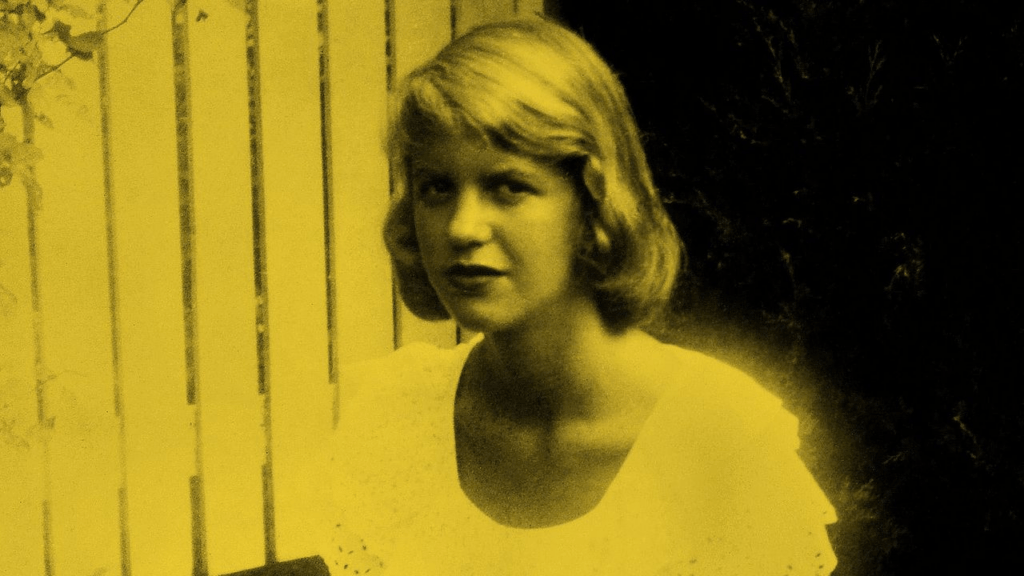
Not all struggles can be seen. Some of the fights happen inside our minds. Sylvia Plath gave a voice to those struggles. She wrote honestly about who she was, what she wanted, being a mother, and her fears. Her poetry still resonates with people who have struggled to understand themselves. Her work shows that being vulnerable is not weak. Sometimes it is the start of courage.
Sylvia Plath was born in Boston in 1932. She was very good at writing from an early age. She published poems as a kid. Got scholarships to good universities. From the outside, her life looked successful. Inside, she struggled with emotions that would later shape her writing. To hide these feelings, Plath turned them into literature that was very deep.
Her book of poems Ariel changed poetry. These poems were vivid and emotional. Looked deeply at herself. They challenged what people thought poetry could be. Plath did not just write about feelings. She made readers feel them. Her honesty influenced poets who realized that personal experiences could also mean something to others.
Sylvia Plath also wrote a novel called The Bell Jar. It is about finding out who you are, what you want, and the pressures on women. Even though it was written a long time ago, its themes are still relevant. Many readers recognize the tension between what people expect from you and what you really feel. Plath did not give answers. She started conversations about things that were often hidden.
Even though Sylvia Plath’s life was short, her influence has grown. Her work is central to feminist literature. Has inspired many writers to be honest about their emotions. Today her poems are studied for their brilliance and the compassion they encourage. Her legacy reminds readers that literature can create understanding where there was silence.
Sylvia Plath teaches us that powerful poetry does not always make us feel better. Sometimes it challenges us to face feelings we would not. It reminds us that we are not alone in our pain. Her words still offer recognition to readers who are looking for understanding. That is why Sylvia Plath is one of the poets of all time. She proved that honesty can be one of literature’s strengths.
Maya Angelou
Maya Angelou. The Poet Who Taught the World How to Rise
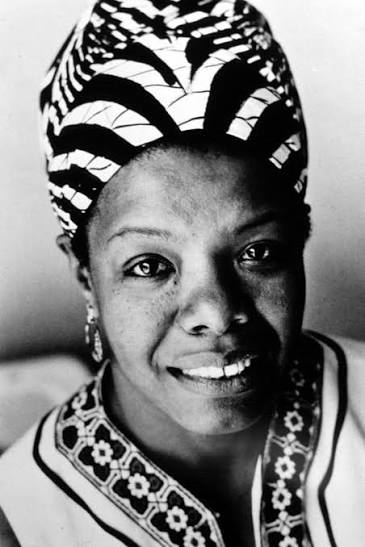
Some writers leave us with books. Others leave us with courage. Maya Angelou gave us both. She knew that life can be painful and unfair. She did not think that those moments should define us. Through her poetry, stories, and speeches, Angelou became a symbol of strength, dignity, and hope. Her words remind us that we cannot always choose what happens. We can choose how we respond.
Maya Angelou was born in St. Louis, Missouri, in 1928. Her childhood was hard with discrimination and personal trauma. For a while, she stopped speaking because she thought her voice was bad. During this time, books became her friends. She read a lot. Found out that words could heal. When she found her voice again, she used it with purpose.
Maya Angelou wrote an autobiography called I Know Why the Caged Bird Sings. It was honest about racism, identity, and strength. It was one of the bestselling autobiographies by an African American woman to be read worldwide. It inspired readers to share their stories without shame. Instead of letting her sufferings silence her, Angelou turned them into strength for others.
Her poem I Rise is very famous. It is not about overcoming hard times. It is about being worthy, strong, and hopeful in the face of prejudice and injustice. Many readers have found courage in its message that our dignity cannot be taken away by others. The poem is still quoted today because its optimism feels personal and inspiring.
Maya Angelou lived a life. She was a journalist, singer, actress, dancer, activist, and professor. She worked with leaders like Dr. Martin Luther King Jr. and Malcolm X. She believed that literature should be part of making a society. In 1993, she read a poem at an inauguration, which was seen by millions.
What makes Maya Angelou’s legacy last is not just her language but also her kind spirit. She encouraged people to be compassionate, forgive, and respect themselves without ignoring injustices. Her optimism was not naive. It was built on perseverance, making her message powerful.
Maya Angelou reminds us that strength is not about not having times. It is about keeping going despite them. Her poetry inspires readers to believe in themselves, celebrate who they are, and speak their truth. As the voice on this list, Maya Angelou leaves us with a message that reflects the purpose of great poetry: even after the hardest times, we can still rise. That is why Maya Angelou is one of the poets of all time. She proved that words can not only describe the world but also change it.
The Journey Doesn’t End Here…
The journey of poetry does not end here. Every poet we have met so far has changed literature in their own way. Homer taught us to remember our stories. Shakespeare gave us a language for our emotions. Dante showed us that in exile there is hope. Wordsworth reminded us that nature can heal us.
There are many more poets to meet. In the next part of our journey, we will meet fifteen more extraordinary poets. They will challenge our assumptions, inspire us, and show us the power of poetry to change the world. Sometimes the best journeys are the ones that take time. They are meant to be savoured one voice at a time.
Research Note
This article was written using books and papers from known places like Oxford University Press and Cambridge University Press. We also used the Poetry Foundation and the Academy of American Poets. Other sources include Encyclopedia Britannica, JSTOR, Project Gutenberg and the British Library.
We looked at what these trusted sources said about poetry and poets. Then we put all the information together to give readers an idea about the world’s greatest poets. The Poetry Foundation and the Academy of American Poets were really helpful in this.
We wanted to make sure people have an understanding of poets and their work. So we used Oxford University Press and Cambridge University Press to get the facts right.
Works Cited (MLA 9th Edition)
Alighieri, Dante. The Divine Comedy. Translated by Allen Mandelbaum, Everyman’s Library, 1995.
Blake, William. Songs of Innocence and of Experience. Dover Publications, 1994.
Chaucer, Geoffrey. The Canterbury Tales. Translated by Nevill Coghill, Penguin Classics, 2003.
Coleridge, Samuel Taylor. The Rime of the Ancient Mariner and Other Poems. Dover Publications, 1993.
Donne, John. The Major Works. Edited by John Carey, Oxford University Press, 2008.
Fagles, Robert, translator. The Iliad. By Homer, Penguin Classics, 1998.
Fagles, Robert, translator. The Aeneid. By Virgil, Penguin Classics, 2006.
Milton, John. Paradise Lost. Penguin Classics, 2003.
Shakespeare, William. The Complete Sonnets and Poems. Edited by Colin Burrow, Oxford University Press, 2008.
Spenser, Edmund. The Faerie Queene. Penguin Classics, 1978.
Wilson, Emily, translator. The Odyssey. By Homer. W. W. Norton & Company, 2018.
Wordsworth, William, and Samuel Taylor Coleridge. Lyrical Ballads. Oxford University Press, 2013.
Books for Literary Research
Abrams, M. H., and Geoffrey Galt Harpham. The Norton Anthology of English Literature. 11th ed., W. W. Norton & Company, 2018.
Baldick, Chris. The Oxford Dictionary of Literary Terms. 5th ed., Oxford University Press, 2015.
Drabble, Margaret, editor. The Oxford Companion to English Literature. 7th ed., Oxford University Press, 2006.
Greene, Roland, et al., editors. The Princeton Encyclopedia of Poetry and Poetics. 4th ed., Princeton University Press, 2012.
Online Sources (MLA 9)
Academy of American Poets. “Poets.” Academy of American Poets , Academy of American Poets. Accessed 13 July 2026.
Encyclopedia Britannica. “Literature and Poets.” Encyclopedia Britannica , Encyclopedia Britannica. Accessed 13 July 2026.
Poetry Foundation. “Poets.” Poetry Foundation , Poetry Foundation. Accessed 13 July 2026. (poetryfoundation.org)
The British Library. “Discovering Literature.” The British Library , Discovering Literature. Accessed 13 July 2026.
JSTOR. “Language and Literature Collection.” JSTOR , JSTOR. Accessed 13 July 2026.
Project Gutenberg. “Free eBooks of Classic Literature.” Project Gutenberg , Project Gutenberg. Accessed 13 July 2026.
Internet Archive. “Books Collection.” Internet Archive , Internet Archive. Accessed 13 July 2026.
Oxford Reference. “Literature.” Oxford Reference, Oxford Reference. Accessed 13 July 2026.
Cambridge University Press. “Cambridge Companions to Literature.” Cambridge Core , Cambridge Core. Accessed 13 July 2026.