

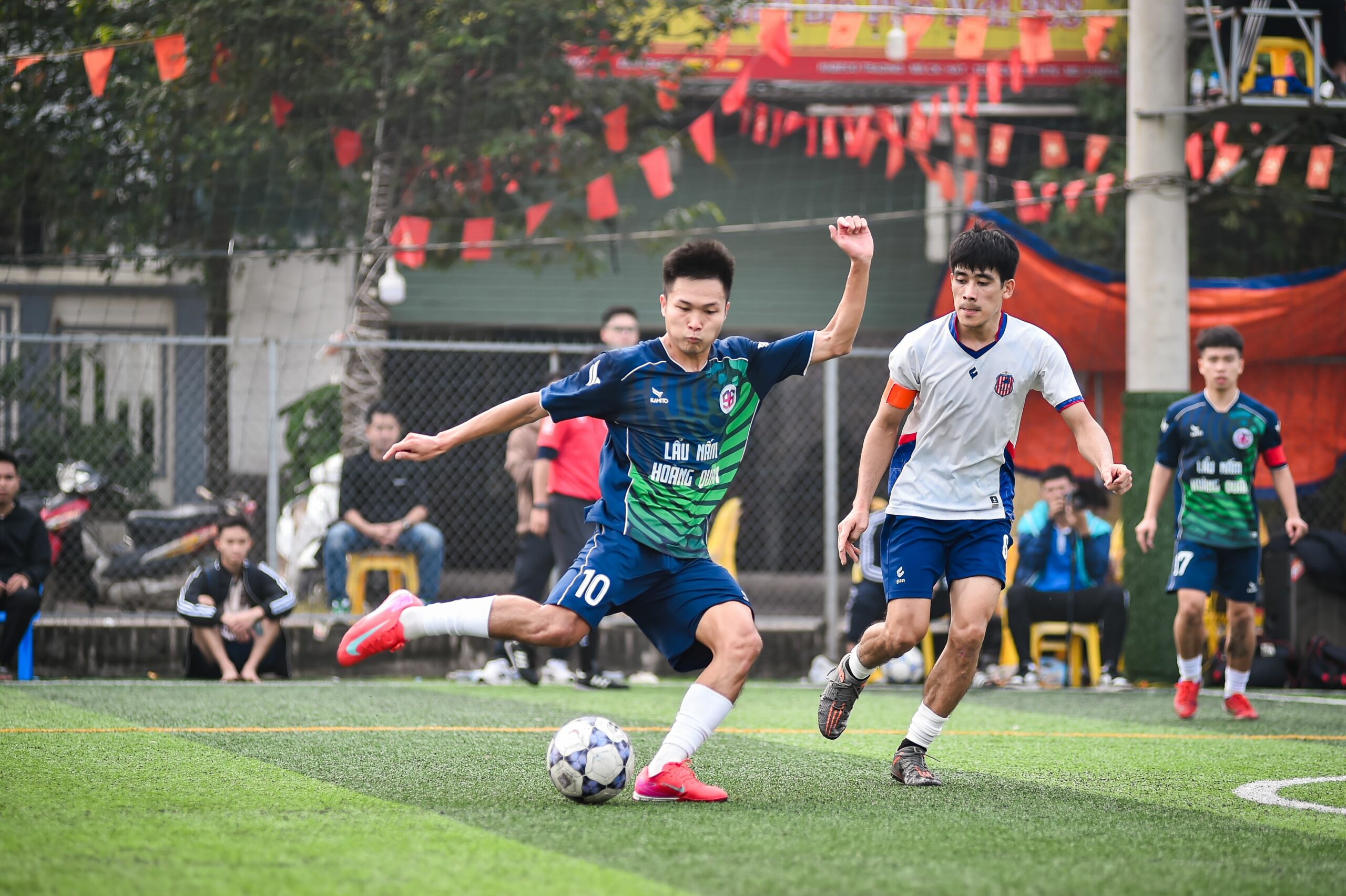

In the city of Buenos Aires, a little boy skipped school one day to watch Diego Maradona play football. This boy was so excited to see his hero play. Meanwhile, in a place called Madeira, another boy was kicking a football around the narrow streets. He dreamed that one day people all over the world would cheer for him. In Rosario, there was a child who was told he was too small to play football. He did not listen. He kept on believing in himself. Years later, this child, Lionel Messi, would hold the FIFA World Cup trophy. This was a journey for him.
“Some players win trophies. Some break records. A rare few change the way the world feels about football.”
A long time ago, before we had social media and highlight videos, a teenager named Pelé showed everyone how beautiful football could be. He was 17 years old when he helped Brazil win the World Cup. He inspired people who had never seen football played with such joy and skill. Every generation of football fans has had its hero. Every stadium has its special chant. Every fan loves a legend.
If you ask a football fan who the best player of all time’s you will probably get a different answer every time. Some people think Lionel Messi is the best because of his vision and skill on the field. Others think Cristiano Ronaldo is the best because of his work and consistency. Some older fans still think Pelé or Diego Maradona are the best. Some fans who know a lot about football think Johan Cruyff was the best because he changed the way the game is played.
The truth is, talking about who the best football player is not just about numbers and statistics. We can count how many goals a player scores and how many trophies they win. We cannot measure the feeling that a player gives to millions of people when they score a goal, and the whole stadium erupts in cheers. This feeling is something that numbers and statistics cannot capture.
Football is not a game that is played for ninety minutes on a field. It is kids playing football in their neighbourhood and pretending to score the winning goal. It is families gathering around the television to watch the World Cup together. It is strangers hugging each other after a team wins a game with a last-minute goal. It is people crying when their team loses and feeling joy when their team wins. The best football players did not just entertain us; they became a part of our lives. They inspired our dreams, brought nations together, and created memories that will live on long after they stop playing football.
That is why the debate about who the best football player of all time is such a passionate conversation. It is not about comparing what players have achieved it is about the different eras they played in, their styles of play the emotions they evoke and the many ways that greatness can be defined.
So who really deserves to be called the football player of all time? The answer might depend on who made you fall in love with football in the first place. Before we start talking about this, we need to understand one thing: there might never be one player who is universally considered the best. There will always be legends who inspire new generations of football fans.
Let’s meet the players who transformed football from a sport into a universal language.
How Do We Define Greatness?
Football is a tough sport to figure out. If we could use math to determine who is the best, then we would have known a long time ago. That is not how it works. That is what makes football so great. It is not like running, where the person who runs the fastest wins. Football is a game that is made up of moments. A defender can make a tackle, a midfielder can make a pass that seems impossible, a striker can score a goal without even thinking, or a goalkeeper can make a save with just their fingertips. Any of these things can change the outcome of a game in a second.
So how can we compare football players from different times? How can we say who is better, Pelé or Messi, when they played by different rules, used different strategies, trained in different ways and played in different times?
The answer is easy: we do not compare the time periods they played in. We compare how great they were. Football is about the players, like Pelé and Messi, and we can see how great they were by watching them play. We can see the things they did on the field, and that is how we know they are great.
Individual Brilliance
Can one player really change the outcome of a match by themselves? The footballers who are really good at this sport were born with a gift. Some of them were so good that nobody could stop them. The best players, however, have something that’s very hard to find: they can do things that seem impossible and make it look easy.
Club Success
Football is a sport that’s all about working together as a team. When you win games in your country, and you also win games against countries, and you keep playing well against the best teams, that means you are a very good player who can keep playing well year after year.
International Legacy
A season with your club is a few months. But the World Cup is different; it can change your life forever. Playing for your country is a deal, and it can be very stressful. The players who do well in the World Cup become famous. Are remembered for a long time.
Longevity
If you have one season, people will talk about it. If you are great for ten years, you become a legend. The best football players do not just play well for one year; they play well for their career and are remembered for a long time.
Influence Beyond Statistics
Some players win games. Others change the way football is played.
Johan Cruyff changed the way teams play football. Pelé showed millions of people how beautiful football can be. Maradona became a symbol of hope for a city. Messi and Cristiano Ronaldo inspired a generation of players to believe that they can always get better. Football players are great not because of what they achieve but also because of what they leave behind for football, for the football players and for the people who love football.
The Greatest Football Players in History
Lionel Messi – The Artist Who Made Football Look Effortless
“Some players chase the ball. Messi made the ball chase him.”
Football players are different; some are fast. Some are strong. Lionel Messi was different from all of them. He had a way of playing that is hard to explain. When you watch Lionel Messi play, it does not feel like you are watching a game; it feels like you are watching an artist create something.
Lionel Messi is 5 feet 7 inches tall, so people did not think he would be great at football. When Lionel Messi was a kid in Rosario, Argentina, he had a health problem that could have stopped him from playing football. But Lionel Messi did not give up; he kept trying. When Lionel Messi moved to Barcelona, his career started to take off. For twenty years, Lionel Messi did amazing things on the field; he would dribble the ball, make great passes, and score incredible goals. People would watch Lionel Messi. Wonder how he did it.
The people trying to stop Lionel Messi knew what he was going to do. They could not stop him. Lionel Messi was great at controlling the ball. He could see the field really well, and he could run past the other players easily. This made Lionel Messi one of the greatest football players ever. The best part of Lionel Messi’s story happened in 2022. For a time, people said that Lionel Messi needed to win the FIFA World Cup to be considered one of the greatest football players. So Lionel Messi did that: he led Argentina to win the World Cup in Qatar, and he played amazingly well.
When Lionel Messi finally held the World Cup trophy, it was not a win for him it was the perfect end to an amazing journey. It was a journey that showed how strong and talented Lionel Messi is. In that moment, it felt like the story of Lionel Messi was complete, and he was not a champion; he was one of the greatest football players of all time, Lionel Messi.
Career Highlights
| Achievement | Record |
| FIFA World Cup | 1 |
| Copa América | 2 |
| UEFA Champions League | 4 |
| Ballon d’Or | 8 |
| European Golden Shoes | 6 |
| Club Career Goals | 700+ |
Why Messi Belongs in the GOAT Debate
Messi did not just break records. He changed what people thought was possible.
Messi showed that being smart and making decisions can be more important than being really strong or fast. Messi also showed that you can be a person and still be a huge star. Messi proved that being great does not always mean you have to be the person in the room.
Sometimes greatness is about making a pass to your teammate. Sometimes greatness happens in the moment before a whole stadium starts cheering for Messi.
Pelé – The King Who Introduced Football to the World
Football was not always a deal around the world, but then there was Pelé. Pelé was a football player who became very famous. People thought of him when they thought of football. For a lot of people, Pelé was the football player of his time. He was the face of football and the reason why many people loved the game. Pelé was born as Edson Arantes do Nascimento in a town called Três Corações in Brazil. He grew up poor and did not have a football to play with, so he made his own balls with socks and newspaper. Even though he did not have a lot of things, he loved football so much.
Pelé was very good at football. People started to notice him. He was happy and humble. People loved watching him play. When Pelé was 17 years old, he did something amazing. He became the player to score a goal in a FIFA World Cup final. He helped Brazil win the tournament in 1958. This was the start of his amazing career. He won three FIFA World Cup titles with Brazil in 1958, 1962 and 1970. No other player has done that.
Pelé was not just great because of the trophies he won. He was great because he inspired people around the world. At that time, not many people had televisions, so they did not get to watch him play. They heard stories about his amazing goals and how good he was. Kids who had never been to Brazil wanted to wear the yellow jersey that Pelé wore because it meant they were good at football too. Pelé played football in a way that was exciting to watch. He was very good at scoring goals. He always tried to do his best. He inspired a lot of football players and fans.
Pelé was more than a great football player. He helped bring people from different countries and cultures. He showed that football could be a way for people to connect with each other. Even though he stopped playing football a long time ago, people still remember him and what he did. He changed the way people thought about football. He showed them what was possible. Pelé is still a figure in football today.
Career Highlights
| Achievement | Record |
| FIFA World Cup | 3 |
| International Goals | 77 |
| Club Goals (Official) | 600+ |
| Brazilian League Titles | Multiple |
| FIFA Player of the Century | Shared Honour |
Why Pelé Belongs in the GOAT Debate
Pelé didn’t just dominate football.
He helped define what football could become.
In an era before social media, before instant highlights and global streaming, his reputation travelled through newspapers, radio broadcasts, and word of mouth.
Few athletes in any sport have had such a profound impact on the game’s global popularity.
Perfect, bro. Now we move into the two players who arguably define the modern GOAT debate. Instead of comparing them immediately, let each legend have their own story. That keeps readers emotionally invested and avoids sounding biased.
Diego Maradona – The Rebel Who Carried a Nation.
“Some players become heroes. Maradona became a religion.”
Football has produced many extraordinary talents. Only a handful have carried the hopes of an entire nation on their shoulders. Diego Armando Maradona was one of them.
Growing up in Villa Fiorito, one of Buenos Aires’ poorest neighbourhoods, Maradona knew hardship long before he knew fame. His family struggled financially, but when a football found its way to his feet, everything else seemed to disappear.
He wasn’t the tallest.
He wasn’t the strongest.
Yet when the ball touched his left foot, defenders looked ordinary.
The world witnessed his greatest masterpiece during the 1986 FIFA World Cup in Mexico.
Within the span of four unforgettable minutes against England, Maradona scored two goals that would become football folklore.
The first was the infamous “Hand of God”, a moment that sparked controversy and debate for decades.
The second was something entirely different.
Picking up the ball inside his own half, Maradona dribbled past five outfield players and the goalkeeper before calmly placing the ball into the net. FIFA later named it the “Goal of the Century”—a moment that remains one of the greatest individual goals ever scored.
Yet Maradona’s legacy wasn’t built on one tournament alone.
When he joined Napoli in 1984, the club had never won the Italian league. Against financially stronger northern clubs, many believed they would always remain underdogs.
Maradona thought otherwise.
He led Napoli to their first Serie A title, transforming not just a football club but the identity of an entire city. Even today, murals of his face cover the streets of Naples, where many supporters still speak of him with deep affection and gratitude.
Like many brilliant artists, Maradona’s life was complicated. His career included moments of controversy and personal struggles alongside extraordinary footballing achievements.
His story reminds us that greatness and imperfection can exist in the same person.
Career Highlights
| Achievement | Record |
| FIFA World Cup | 1 |
| World Cup Golden Ball | 1986 |
| Serie A Titles with Napoli | 2 |
| UEFA Cup | 1 |
| FIFA Goal of the Century | Yes |
Why Maradona Belongs in the GOAT Debate
Maradona wasn’t simply a footballer.
He was emotion.
Every touch carried expectation.
Every dribble carried belief.
He inspired people who saw themselves in him—ordinary people dreaming of extraordinary possibilities.
For millions, Maradona wasn’t just playing football.
He was giving hope a pair of boots.
Cristiano Ronaldo – The Boy from Madeira Who Refused to Stop Climbing
“Talent may open the first door. Discipline keeps every other one open.”
If Lionel Messi’s story feels like natural genius, Cristiano Ronaldo’s feels like relentless determination.
Born on the small Portuguese island of Madeira, Ronaldo grew up in a modest household where success was never guaranteed. As a child, he left home to join Sporting CP’s academy, chasing a dream that demanded sacrifices far beyond his years.
He missed birthdays.
He missed family dinners.
He missed home.
But he never missed an opportunity to improve.
When Sir Alex Ferguson signed the young winger for Manchester United in 2003, Ronaldo possessed breathtaking skill but lacked consistency.
Instead of accepting his limits, he reinvented himself.
Hour after hour, season after season, Ronaldo transformed into one of football’s most complete athletes. His explosive pace, aerial dominance, powerful finishing, and relentless work ethic made him a nightmare for defenders across Europe.
From Manchester United to Real Madrid, Juventus, and beyond, he proved that adapting to new leagues and new challenges was not a weakness but a strength.
His years at Real Madrid elevated him into footballing immortality.
He became the club’s all-time leading scorer, won multiple UEFA Champions League titles, and delivered unforgettable performances in the competition’s biggest matches.
Then came another defining moment.
In 2016, Ronaldo captained Portugal to their first major international trophy at the UEFA European Championship. Although forced off injured in the final, he remained on the touchline, passionately encouraging his teammates until the final whistle.
It was a reminder that leadership isn’t always measured by minutes played—it is measured by commitment when your team needs you most.
Even as he entered his late thirties, Ronaldo continued to compete at the highest level, defying expectations with remarkable physical conditioning and an unwavering hunger for success.
Career Highlights
| Achievement | Record |
| UEFA Champions League Titles | 5 |
| Ballon d’Or | 5 |
| UEFA European Championship | 1 |
| UEFA Nations League | 2 |
| Official Career Goals | 900+ |
| International Goals | Men’s all-time record holder |
Why Cristiano Ronaldo Belongs in the GOAT Debate
Cristiano Ronaldo represents the idea that greatness is earned every single day.
His career is built on discipline, resilience, and an extraordinary willingness to evolve.
He didn’t just chase records.
He chased the best version of himself.
For countless young athletes, Ronaldo’s greatest lesson isn’t how to score goals.
It’s that talent may give you a head start, but commitment determines how far you can go.
The Debate That Divided a Generation
For nearly two decades, football fans have argued over one question more passionately than any other:
Messi or Ronaldo?
Friendships have survived the debate.
Social media certainly hasn’t.
Some believe football has never witnessed a player with Messi’s vision, creativity, and effortless brilliance.
Others admire Ronaldo’s unmatched mentality, physical evolution, and ability to deliver under pressure.
Perhaps the greatest privilege for modern fans wasn’t choosing between them.
It was witnessing both.
They pushed each other to extraordinary heights, redefining what sustained excellence could look like. Their rivalry wasn’t built on hatred but on mutual excellence—each raising the standard for the other and, in turn, for football itself.
History may continue to debate who stands above the other.
One thing is beyond dispute:
The era of Messi and Ronaldo changed football forever.
The Architects of Modern Football
Not every legend is remembered solely for the number of goals they scored.
Some changed the way football is played.
Others changed the way football is understood.
Long before pressing systems, positional play, and data-driven tactics became common language, a handful of extraordinary players quietly rewrote the sport’s blueprint.
Without them, modern football might look completely different today.
Johan Cruyff – The Visionary Who Changed Football Forever
“Some footballers mastered the game. Cruyff reinvented it.”
Many players leave behind trophies.
Johan Cruyff left behind an entire philosophy.
Watching Cruyff was like watching someone who already knew what would happen five seconds before everyone else.
He wasn’t simply faster.
He thought faster.
As the face of the Netherlands’ revolutionary “Total Football” system during the 1970s, Cruyff blurred traditional positions on the pitch. Defenders attacked. Midfielders defended. Every player became part of one fluid, intelligent machine.
His famous Cruyff Turn, first showcased on the world’s biggest stage, remains one of football’s most recognisable skills decades later.
Yet perhaps his greatest legacy came after his playing career.
As Barcelona’s manager, Cruyff established the football philosophy that later produced players like Xavi, Andrés Iniesta, and Lionel Messi.
Every short pass.
Every patient build-up.
Every possession-based attack.
Pieces of Cruyff’s footballing DNA still exist in today’s game.
Career Highlights
| Achievement | Record |
| Ballon d’Or | 3 |
| European Cups | 3 |
| Eredivisie Titles | Multiple |
| La Liga Title | 1 |
| FIFA World Cup Runner-up | 1974 |
Why Cruyff Belongs in the GOAT Debate
Some players inspire teams.
Cruyff inspired generations.
His influence extends far beyond his own career.
Even decades later, football still speaks his language.
Franz Beckenbauer – The Emperor of Elegance
“He defended without panic. He led without shouting.”
Defenders rarely dominate GOAT conversations. Franz Beckenbauer is the exception.
Nicknamed “Der Kaiser” (The Emperor), Beckenbauer transformed the role of the sweeper by combining defensive intelligence with graceful attacking play. Instead of simply clearing danger, he created opportunities. Instead of reacting to opponents, he controlled matches from deep.
His calmness under pressure made difficult situations appear effortless, while his leadership helped West Germany lift the FIFA World Cup in 1974.
Years later, he achieved something almost unimaginable. He also won the World Cup as Germany’s manager. Very few people have conquered football from both inside and outside the pitch.
Career Highlights
| Achievement | Record |
| FIFA World Cup | 1 (Player) |
| FIFA World Cup | 1 (Manager) |
| Ballon d’Or | 2 |
| European Cups | 3 |
| Bundesliga Titles | Multiple |
Why Beckenbauer Belongs in the GOAT Debate
Football often celebrates attackers.
Beckenbauer reminded the world that true greatness can begin in defence.
His elegance changed how defenders were viewed forever.
Ronaldo Nazário – The Phenomenon
“Before there was Cristiano Ronaldo, there was simply… Ronaldo.”
For those fortunate enough to watch him in his prime, Ronaldo Nazário wasn’t just fast.
He was frightening.
Explosive acceleration.
Unbelievable balance.
Clinical finishing.
He could eliminate an entire defence in seconds.
Many believed he was destined to become the greatest footballer the sport had ever seen.
Then injuries arrived.
Not once.
Not twice.
Repeated knee injuries threatened to end his career while he was still young.
Most players never recover from one serious injury.
Ronaldo returned from several.
His greatest comeback came at the 2002 FIFA World Cup.
After years of rehabilitation and doubt, he finished as the tournament’s top scorer and led Brazil to their fifth World Cup title.
It remains one of football’s most inspiring redemption stories.
Career Highlights
| Achievement | Record |
| FIFA World Cup | 2 |
| Ballon d’Or | 2 |
| FIFA World Player of the Year | 3 |
| World Cup Golden Boot | 2002 |
| Club Career Goals | 400+ |
Why Ronaldo Belongs in the GOAT Debate
Greatness isn’t only about reaching the top.
Sometimes it’s about finding the strength to climb back after falling.
Few players have inspired resilience quite like Ronaldo.
Zinedine Zidane – The Artist of Big Moments
“Pressure introduced itself. Zidane remained calm.”
Some footballers disappear in the biggest matches. Zinedine Zidane seemed to wait for them.
The 1998 FIFA World Cup Final. The UEFA Champions League Final.
The European Championship.
Again and again, Zidane delivered when football’s brightest lights were shining.
His first touch felt almost impossible.
The ball seemed attached to his boots by an invisible thread.
Every movement was graceful.
Every turn effortless.
Then came the unforgettable volley in the 2002 Champions League Final for Real Madrid—a strike still considered one of the greatest goals in the competition’s history.
Of course, football remembers another World Cup Final too.
The infamous headbutt in 2006 became one of the sport’s most talked-about moments.
It was a reminder that even legends are human.
Their stories include triumph and mistakes alike.
Career Highlights
| Achievement | Record |
| FIFA World Cup | 1 |
| UEFA European Championship | 1 |
| Ballon d’Or | 1 |
| UEFA Champions League (Player) | 1 |
| UEFA Champions League (Manager) | 3 Consecutive |
Why Zidane Belongs in the GOAT Debate
Zidane wasn’t defined by statistics.
He was defined by moments.
When history called, he answered.
Alfredo Di Stéfano – The Legend Before Television Made Legends
Long before football was streamed to millions around the world, Alfredo Di Stéfano had already become one of its greatest pioneers.
He wasn’t restricted by a single position.
One minute he was defending.
The next, he was creating chances.
Moments later, he was scoring.
His complete understanding of the game helped Real Madrid dominate the early years of the European Cup, laying the foundation for the club’s reputation as one of football’s greatest institutions.
Many younger fans know Real Madrid because of Cristiano Ronaldo.
Older generations remember that the dynasty began with Di Stéfano.
Career Highlights
| Achievement | Record |
| European Cups | 5 Consecutive |
| Ballon d’Or | 2 |
| La Liga Titles | 8 |
| European Cup Finals Scored In | 5 |
Why Di Stéfano Belongs in the GOAT Debate
Every football dynasty has a beginning.
For Real Madrid, that beginning was Alfredo Di Stéfano.
His influence can still be seen in one of the world’s most successful clubs.
The Beautiful Truth About Greatness
As football evolved, so did its heroes.
Cruyff gave the game a new philosophy.
Beckenbauer redefined defending.
Ronaldo Nazário showed that resilience can be as inspiring as talent.
Zidane turned pressure into art.
Di Stéfano laid the foundations of European greatness.
None of them played the game in exactly the same way.
And that’s precisely the point.
Football has never needed one definition of greatness.
It has always found room for many.
Legends Who Completed Football’s Story
Not every football legend can be measured by the number of goals they scored or trophies they lifted.
Some gave us unforgettable smiles. Some showed us leadership. Some proved that defenders, midfielders, and even goalkeepers could become icons. Together, they remind us that football has never belonged to one position or one style of play.
It belongs to everyone who has dared to redefine it.
Ronaldinho – The Smile That Made the World Fall in Love with Football Again
“Football looked happiest when Ronaldinho had the ball.”
Nationality: Brazilian 🇧🇷
Position: Attacking Midfielder / Winger / Forward
Some footballers are remembered for the trophies they won. Others are celebrated for the records they broke. Ronaldinho belongs to a much rarer category: he is remembered for the happiness he brought to the game. Watching him play felt less like watching a competitive football match and more like witnessing an artist perform without fear. Every touch of the ball carried imagination, every dribble felt spontaneous, and every smile reminded the world that football was meant to be enjoyed.
Born as Ronaldo de Assis Moreira in Porto Alegre, Brazil, Ronaldinho grew up in a family where football was more than just a sport; it was a way of life. His extraordinary talent became evident at an early age, but what truly set him apart wasn’t just his ability; it was the joy with which he played. Whether it was an outrageous no-look pass, an impossible elastico, a cheeky nutmeg, or a perfectly weighted through ball, Ronaldinho approached every match with the freedom of a child playing in the streets rather than a superstar performing on the world’s biggest stages.
When he joined Barcelona in 2003, the club was searching for an identity after several difficult seasons. Ronaldinho became the spark that reignited their belief. His dazzling performances helped transform Barcelona into one of Europe’s most feared teams, leading them to domestic and continental success while inspiring a new generation of players. Among those watching closely was a young Lionel Messi, who has often acknowledged Ronaldinho’s support during the early days of his career.
One of Ronaldinho’s most unforgettable performances came at the Santiago Bernabéu in 2005. After producing a breathtaking display against Real Madrid, something almost unheard of happened: the home supporters rose to their feet and applauded him. It was a gesture reserved for only the most extraordinary footballers and a testament to the universal admiration his talent commanded. Yet Ronaldinho’s greatest legacy cannot be measured by medals or statistics alone.
He reminded millions that football is not just about winning; it is about creativity, courage, expression, and joy. For countless children around the world, he wasn’t simply another football legend. He was the reason they first picked up a ball, tried their first trick, and fell in love with the beautiful game.
Career Highlights
- FIFA World Cup Winner (2002)
- Ballon d’Or Winner (2005)
- FIFA World Player of the Year (2004, 2005)
- UEFA Champions League Winner (2005–06)
- Two-time La Liga Champion with Barcelona
- Copa América Winner (1999)
- FIFA Confederations Cup Winner (2005)
Why He Matters
Ronaldinho’s greatest achievement wasn’t just winning trophies—it was reminding the world why football is called “the beautiful game.” He proved that creativity, joy, and imagination could be just as powerful as tactics and statistics. For millions of fans, Ronaldinho wasn’t simply one of the greatest football players in history; he was the player who made them fall in love with football itself. His legacy continues every time a child attempts a trick, plays with confidence, and remembers that football is meant to be enjoyed as much as it is meant to be won.
Xavi Hernández and Andrés Iniesta – Two Minds, One Masterpiece
“They rarely made headlines with spectacular tricks. Instead, they made football look beautifully simple.”
Position: Central Midfielder
Nationality: Spanish
Xavi Hernández is considered one of the greatest midfielders in football history. He played most of his career at FC Barcelona. There, he was a player for Pep Guardiola’s great team. Xavi did not score goals. Instead, he controlled games with passing, vision and understanding of the game.
Football often celebrates the player who scores the winning goal. The roar of the crowd usually belongs to the striker whose name appears on the scoresheet. Yet, some of the greatest artists in football rarely needed to score to control an entire match. Xavi Hernández and Andrés Iniesta were two such players. Together, they transformed midfield play into an art form, proving that intelligence, vision, and teamwork could be just as breathtaking as dazzling dribbles or thunderous strikes.
Watching them play for Barcelona and Spain felt like watching two musicians perform a perfectly rehearsed symphony. Their understanding of each other seemed almost telepathic. One would move into space before the other had even looked up, and somehow the pass would always arrive at exactly the right moment. They didn’t rely on physical dominance or spectacular individual brilliance. Instead, they mastered the rhythm of football, dictating the pace of matches with calmness that frustrated opponents and delighted supporters.
Their partnership became the heartbeat of one of the greatest teams football has ever witnessed. Under Pep Guardiola, Barcelona’s famous tiki-taka philosophy reached extraordinary heights, built on quick passing, intelligent movement, and relentless possession. Xavi acted as the architect, orchestrating attacks with remarkable precision, while Iniesta brought imagination and elegance, gliding past defenders with effortless grace. Their influence extended beyond club football.
Together, they guided Spain to an unprecedented era of international success, winning UEFA Euro 2008, the 2010 FIFA World Cup, and UEFA Euro 2012. Iniesta’s dramatic winning goal against the Netherlands in the 2010 World Cup Final remains one of football’s most unforgettable moments, delivering Spain its first-ever World Cup and creating a memory cherished by an entire nation.
What made Xavi and Iniesta truly exceptional was their humility. Neither sought personal glory, yet both became symbols of football played with intelligence rather than ego. They reminded the world that the game’s greatest weapon is not always speed or strength, but the ability to think one step ahead. Their legacy continues to inspire young midfielders who dream of controlling matches through vision, patience, and teamwork rather than individual heroics. In an era obsessed with statistics, Xavi and Iniesta proved that some of football’s greatest contributions cannot always be measured by goals alone.
Why is he famous?
- Won the 2010 FIFA World Cup with Spain.
- Won UEFA Euro 2008 and UEFA Euro 2012.
- Won 4 UEFA Champions League titles with Barcelona.
- Played a key role in the famous tiki-taka style of football.
- Completed thousands of accurate passes and controlled the tempo of games.
Legacy: If football were an orchestra, Xavi was the conductor.
Paolo Maldini – The Defender Everyone Respected
“He didn’t need dramatic tackles because he was already in the right place.”
Position: Left-back / Centre-back
Nationality: Italian 🇮🇹
Paolo Maldini is regarded as one of the greatest defenders of all time. He spent his entire professional career at AC Milan, making him one of football’s greatest one-club legends.
While football history often revolves around legendary goalscorers, Paolo Maldini built one of the greatest careers the sport has ever seen without relying on goals to define his legacy. For more than twenty-five years, the AC Milan captain demonstrated that defending could be every bit as beautiful as attacking. Calm under pressure, composed in possession, and almost impossible to outsmart, Maldini became the benchmark for defensive excellence. Born into a footballing family, he inherited not only talent but also a deep understanding of the game. From his debut as a teenager to his retirement as one of Milan’s greatest-ever players, his loyalty to a single club became increasingly rare in modern football.

Maldini’s brilliance never depended on reckless slide tackles or aggressive challenges. In fact, he once famously remarked that if he had to make a tackle, it meant he had already made a mistake. That philosophy perfectly reflected his approach to defending. He relied on anticipation, positioning, and intelligence, reading the game so effectively that he often intercepted danger before it could develop. Whether playing as a left-back or a central defender, he combined elegance with authority, making some of the world’s greatest attackers appear ordinary.
Throughout his remarkable career, Maldini won numerous Serie A titles and five UEFA Champions League trophies, captaining AC Milan through one of the club’s most successful periods. Yet beyond the medals, it was his professionalism, discipline, and sportsmanship that earned universal respect. Opponents admired him, teammates trusted him, and supporters regarded him as the embodiment of loyalty and leadership. Even decades after his retirement, young defenders continue to study his positioning and decision-making as a masterclass in defensive football.
Paolo Maldini proved that greatness is not always loud. Sometimes it is quiet confidence, unwavering consistency, and the ability to make the most difficult job on the pitch appear effortless. In a game that often celebrates those who score, Maldini reminded the football world that preventing goals can be just as legendary as scoring them.
Why is he famous?
- Won 5 UEFA Champions League titles.
- Won 7 Serie A titles.
- Played professionally for over 25 years.
- Renowned for intelligence, positioning, leadership, and fair play.
One of his most famous quotes is:
“If I have to make a tackle, then I have already made a mistake.”
It perfectly captures his philosophy of anticipating danger rather than reacting to it.
Legacy: Maldini redefined defensive excellence.
Why are Xavi and Iniesta together?
They played together for both Barcelona and the Spanish national team for over a decade. Their partnership was so influential that many football historians consider them the greatest midfield duo in football history. Together, they dominated world football between 2008 and 2012, helping Spain win three consecutive major international tournaments, and Barcelona become one of the greatest club sides ever assembled.
Ferenc Puskás – The Genius Ahead of His Time
“Some players leave behind trophies. Ferenc Puskás left behind a standard that generations have tried to reach.”
Position: Forward
Nationality: Hungarian 🇭🇺
Ferenc Puskás is one of football’s greatest goalscorers and a pioneer of attacking football. He captained Hungary’s famous “Mighty Magyars” team of the 1950s before becoming a Real Madrid legend.
Long before football became a global television spectacle, Ferenc Puskás was already captivating audiences with a style of play that seemed decades ahead of its time. Born in Budapest, Hungary, Puskás emerged as the leader of the legendary Hungarian national team known as the “Mighty Magyars,” a side widely regarded as one of the greatest international teams never to win the FIFA World Cup. Blessed with extraordinary vision, remarkable technique, and one of the most powerful left feet football has ever seen, Puskás possessed an uncanny ability to score from almost any position. Every shot carried precision, power, and confidence, making him one of the most feared forwards of his generation.
His brilliance reached new heights after joining Real Madrid, where he formed part of one of the greatest club teams in football history alongside Alfredo Di Stéfano. Together, they dominated European football, winning multiple European Cups and establishing Real Madrid as the continent’s most successful club. Despite joining the Spanish giants later in his career, Puskás continued to score goals with astonishing consistency, proving that true class never fades with age. His ability to combine technical excellence with tactical intelligence made him one of the complete forwards of the twentieth century.
Beyond statistics and silverware, Puskás represented innovation. Many of the finishing techniques admired in modern football were perfected by players like him decades earlier. His influence remains so significant that FIFA named its annual award for the most spectacular goal the FIFA Puskás Award, ensuring that his legacy continues to inspire every generation of footballers. Each year, when fans celebrate the world’s most breathtaking goal, they are also celebrating the memory of a man whose creativity and brilliance helped redefine attacking football.
Ferenc Puskás proved that greatness is timeless. While tactics, technology, and playing styles continue to evolve, extraordinary technique, intelligence, and imagination never go out of fashion. His story reminds us that football’s greatest legends are not remembered because they played in a particular era, but because they changed the game forever.
Why is he famous?
- Won 3 European Cups with Real Madrid.
- Scored over 700 career goals in official matches.
- Led Hungary to the 1954 FIFA World Cup Final.
- Famous for his powerful and accurate left foot.
The FIFA Puskás Award, given annually for the most spectacular goal, is named in his honour.
Legacy: His influence on attacking football is so enduring that his name is forever linked with the game’s most beautiful goals.
Is There Really One GOAT?
This question has divided fans across cafés, classrooms, living rooms, stadiums, and every corner of the internet. Some believe Pelé stands alone because no player has matched his three FIFA World Cup titles. Others see Diego Maradona as football’s purest expression of individual genius. Many argue that Cristiano Ronaldo’s relentless pursuit of excellence and extraordinary longevity define greatness. An equally passionate group points to Lionel Messi, whose blend of creativity, consistency, and international success has shaped an entire era.
Each argument has merit. Each legend has a unique story. And perhaps that is the answer. Football has never belonged to a single hero. It belongs to every child who kicks a ball in a narrow street, every supporter who sings from the stands, and every player who dares to dream of becoming the next legend.
The greatest footballers did more than win matches. They gave us memories that outlived scorelines. They united strangers through shared celebrations. They reminded us that, for ninety minutes, hope can be stronger than fear. Years from now, records will be broken. New stars will rise. Another generation will begin its own GOAT debate.
But the names in this article will continue to echo through stadiums, documentaries, family conversations, and playgrounds around the world. Because greatness is not measured only by goals or trophies. It is measured by the stories people continue to tell long after the final whistle. And that is why football’s greatest legends will never truly retire. They will live on every time someone falls in love with the beautiful game.
Frequently Asked Questions (FAQs)
1. Who is considered the greatest football player of all time?
There is no universally accepted answer to this question. The debate typically centres around Lionel Messi, Cristiano Ronaldo, Pelé, and Diego Maradona. Each player dominated a different era and achieved greatness in unique ways. While Messi is celebrated for his creativity and complete skill set, Ronaldo is admired for his extraordinary consistency, longevity, and goalscoring. Pelé revolutionised football globally with three FIFA World Cup victories, while Maradona is remembered for his unmatched individual brilliance, particularly during the 1986 FIFA World Cup. (IFFHS)
2. Why is the GOAT debate in football so popular?
The GOAT (Greatest of All Time) debate remains popular because football spans multiple generations, each with different tactics, rules, and levels of competition. Fans often compare players based on trophies, individual awards, statistics, influence on the game, longevity, and memorable performances. Since every era presents unique challenges, there is no single objective way to determine the greatest player in history.
3. Has Lionel Messi won the FIFA World Cu
Yes. Lionel Messi captained Argentina to victory in the 2022 FIFA World Cup in Qatar, completing one of the most celebrated careers in football history. He also won the tournament’s Golden Ball award for his outstanding performances. (FIFA)
4. How many Ballon d’Or awards has Lionel Messi won?
Lionel Messi has won eight Ballon d’Or awards, the highest number in football history, recognising him as the world’s best player on multiple occasions. (TalkSport)
5. How many Ballon d’Or awards has Cristiano Ronaldo won?
Cristiano Ronaldo has won five Ballon d’Or awards, making him one of the most decorated footballers of all time. He is also regarded as one of the greatest goalscorers in football history. (TalkSport)
6. Why didn’t Pelé and Diego Maradona win the Ballon d’Or?
When Pelé and Diego Maradona were at the peak of their careers, the Ballon d’Or was awarded only to European players. As a result, neither was eligible despite their extraordinary achievements. France Football later acknowledged that Pelé would likely have won several Ballon d’Or titles under today’s rules. (TalkSport)
7. Who is the only goalkeeper to win the Ballon d’Or?
Lev Yashin remains the only goalkeeper to have won the Ballon d’Or, receiving the prestigious award in 1963. His innovative style transformed modern goalkeeping and inspired generations of keepers. (TalkSport)
8. Which football player has won the most FIFA World Cups?
Pelé is the only player in men’s football history to have won three FIFA World Cup titles (1958, 1962, and 1970), a record that still stands today. (IFFHS)
9. What criteria are used to rank the greatest football players?
The greatest football players are generally evaluated using a combination of:
Individual skill and technical ability
Club achievements
International success
Goals and assists
Longevity and consistency
Individual awards such as the Ballon d’Or
Leadership and influence on football
Legacy and cultural impact
Since no single statistic defines greatness, rankings often vary among historians, analysts, and fans.
10. Will the football GOAT debate ever end?
Probably not.
Football is deeply emotional, and every generation grows up with different heroes. New stars will continue to emerge, records will continue to fall, and fans will always compare eras. Rather than searching for one definitive answer, many believe the GOAT debate celebrates the richness of football’s history and the legends who shaped it.
References
For factual accuracy, player achievements, tournament history, and historical context, the following authoritative sources were consulted: