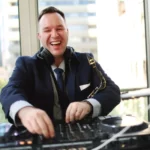
I have driven the Hume more times than I can count. Twenty years of weddings will do that to you. Most weekends I load a DJ rig, a sax and a trumpet into the car, then point it at Sydney, the South Coast or Melbourne. So I have opinions about cheap travel. They are not the opinions you get from travel blogs, because I am never on holiday when I travel. I am working, and the gear comes with me.
The car beats the plane almost every time
People ask why I do not simply fly to Sydney. The maths answers it. Canberra to Sydney is about 290 kilometres, which works out to roughly three and a quarter hours of driving. At mid-2026 pump prices near 166 cents a litre, that is about forty dollars of fuel each way. Meanwhile a cheap return flight starts north of two hundred, and you still need a car at the other end. On top of that, no airline lets me carry a full rig into the cabin.
Fuel timing matters more than people expect. NSW runs a weekly price cycle that tends to peak on Thursday and bottom out early in the week. So I fill up in Canberra or at Goulburn on the way through. Then I drive past the big highway service stops, because they charge a premium and everyone knows it.
Sydney tolls are the cost nobody warns you about. The city runs the most extensive urban toll network in the world, and prices shift every quarter. Before any metro run I check the toll calculator and choose my route on purpose. Otherwise a single Saturday disappears into toll points before I have played a note.
Where I sleep when the gig runs late
Regional accommodation climbs hard in wedding season. Spring and autumn are the worst, since every venue between Berry and Bowral books out months ahead. A night on the South Coast can swing from about $130 to well over $300 depending on the weekend.
Motels win for anyone travelling with equipment. You park at the door, you load out at ground level, and nobody minds a midnight arrival. Pub rooms come cheaper still, though you trade quiet for the saving. Meanwhile Airbnb suits multi-night stays and band trips, but the check-in windows rarely suit a musician finishing at midnight.
The best trick costs nothing. Many regional venues have accommodation on site, and plenty will offer a vendor room if you ask early. So I ask every time. Even when the answer is no, the question takes ten seconds and sometimes saves two hundred dollars and a long drive.
The drive home is the part that scares me
Here is the thing most travel advice skips entirely. Fatigue kills people on NSW roads, and the numbers are not subtle. Transport for NSW recorded 77 fatigue-related deaths in 2024, up from 67 the year before. Around 90 per cent of those deaths happen in regional areas, which is exactly where wedding work takes me.
Staying awake for seventeen hours impairs your driving about as much as a blood alcohol reading of 0.05. Think about what a wedding day involves. You load in at two, you play until midnight, and then you pack down for an hour. By the time you reach the car you have passed that seventeen-hour mark comfortably.
So I build the motel into the quote instead of pretending I can push through. It is not an upsell. Rather, it is the difference between an expense line and a crash, and I would sooner explain the first one to a couple than the second one to my family.
What this means if you are marrying away from home
Couples ask me constantly whether a destination wedding saves money. Sometimes it does, though not for the reason most people assume. Easy Weddings put the average Australian wedding at $35,315 in its 2025 report, with NSW the priciest state at $38,566. A 50-guest Bali wedding averages around $16,980, which sounds like an easy win.
Look closer and the picture shifts. Once you add roughly $300 a head for overseas catering and setup, plus your own flights and accommodation, the gap narrows fast. Meanwhile a South Coast farm package starts near $11,000 midweek, and your guests drive rather than fly. So the guest list, not the postcode, decides your budget.
That is also why more than 60 per cent of Australian couples now keep numbers under a hundred. Cut twenty guests and you cut catering, hire, drinks and stationery all at once. No other decision moves the total that hard.
Flying a vendor in versus hiring local
Here is the honest version, since I sit on both sides of this one. Travel fees are standard across the industry. Photographers routinely charge accommodation when a job finishes past midnight or sits more than a hundred kilometres from base, and DJs work the same way.
So ask two questions before you book someone distant. First, what does the travel fee cover, and is it flat or open-ended? Second, does the contract require a room, and who pays for it? A good vendor answers both in one email. If the numbers still work, fly them in. If they do not, hire someone local who knows the venue, because familiarity with a room is worth more than most couples expect.
Chasing music on a budget
Travel for the love of it, and music is one of the cheapest ways to see a place properly. Melbourne has more live venues per head than anywhere else on earth, at roughly one venue per 8,785 people. That puts it ahead of Austin and New York. Plenty of those rooms charge nothing at the door. The Old Bar runs bands seven nights, Northcote Social Club puts on free gigs for emerging acts, and the city funds buskers in Bourke Street Mall.
Overseas the same logic holds. Berlin stays absurdly affordable for what it offers, with club entry usually between five and twenty-five euros and beer around three. Bring cash, though, because plenty of doors still refuse cards.
Festivals have a side door too. Most large Australian festivals run volunteer programs that trade shifts for entry, and groups like Red Frogs place volunteers across the circuit. You work a few hours, you see the rest, and you meet the crew who make the whole thing run.
What I would tell anyone travelling with gear
Travel cheap by planning the boring parts properly. Know your fuel cycle, know your tolls, and book the bed before the season prices it out of reach. After that, spend the savings on whatever matters to you, whether that is a decent meal on the road or a night you did not have to drive.
The rest is just turning up ready to play.