



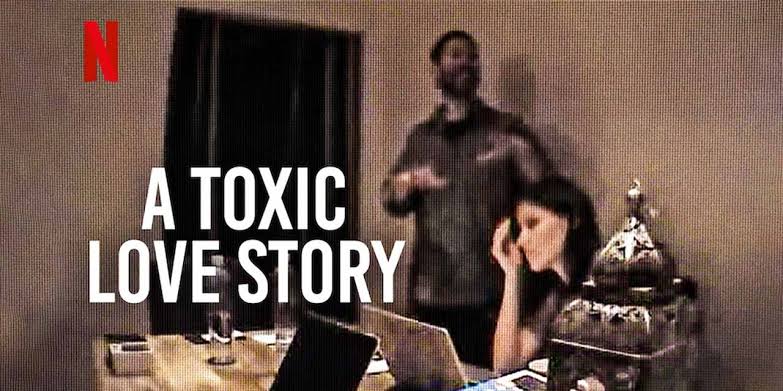
Robert Evans is known for saying that there are three sides to every story: your side, my side and the truth. Whether that is the exact quote or not, it perfectly reflects the feeling of watching Netflix’s A Toxic Love Story. This is the kind of documentary that constantly reminds people how dangerous assumptions can be. Every time you think you know what happened another surprise forces you to reconsider everything you thought moments ago. When the ending comes, you are left doubting the people involved and how easily stories can be shaped by points of view.
At 90 minutes A Toxic Love Story does not waste any time. It throws viewers directly into a case involving accusations of harassment, control, and increasing threats, making the truth seem clear. Like true crime documentaries, it starts with a story that seems simple enough to understand. However, what seems like an investigation gradually becomes something much more complex. The documentary keeps uncovering parts of the case showing that every answer only leads to more questions.
What stood out to me the most was not the shocking events themselves but the confidence with which the documentary tells its story. It knows what to show and when to show it. That careful handling of the story creates an experience that feels like watching a documentary and more like reading a psychological thriller. Every interview, every piece of evidence and every change in point of view adds another layer to a case that refuses to fit into categories of right or wrong.
A Disturbing Case Hidden Behind an Ordinary Beginning
The documentary takes place in Anaheim, California, a city worldwide for Disneyland and often called the home of “The Happiest Place on Earth.” This contrast is immediately noticeable because happiness is the thing experienced by the people in the center of this story. Instead, viewers are introduced to a situation that feels terrifying, emotionally draining, and getting more dangerous by the minute.
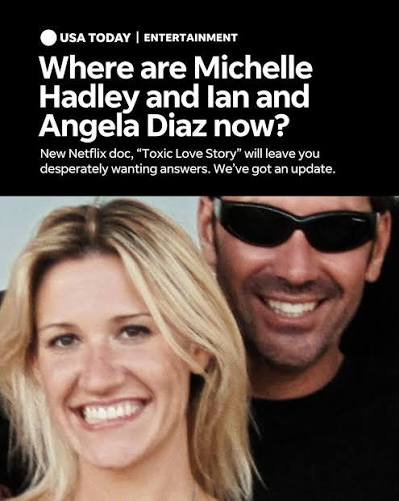
At the center of the documentary are three people: Ian Diaz, his wife Angela Diaz and Ians ex-girlfriend Michelle Hadley. According to the version of events shown at the start, Ian and Angela believe they are being harassed by Michelle after their relationship ended. What starts as contact quickly becomes something much worse, with threatening messages becoming more graphic and promises of violence creating real fear for the newlyweds.
The documentary presents these allegations with confidence. Of using dramatic recreations or exaggerated stories it lets real evidence speak for itself. Police footage, text messages, official reports and interviews are carefully put together to create a story that feels real and convincing. As viewers we are encouraged to see the investigation exactly as the police did during the stages. Every new piece of evidence seems to support the conclusion, making it almost impossible to doubt who the victim is and who the guilty person must be.
This method works well because it reflects how people often process information. We usually believe the clear version of events we are given especially when it is backed by official evidence. The documentary cleverly uses that instinct against its audience, setting the stage for the change that comes later.
Building a Convincing Narrative
One of the documentarys strengths is how well it builds its initial story. From the start, everything seems to point in the same direction. Officers respond to complaints from Ian and Angela carefully noting their concerns as they look at a growing number of threatening messages. Each interaction supports the seriousness of the situation. Paints a picture of a couple living under constant emotional pressure.
Eventually, Michelle is given a Restraining Order, commonly called a TRO. The order legally stops her from contacting Ian or Angela suggesting that the authorities have found evidence to justify legal action. Under conditions, one might expect this order to end the harassment. Instead, according to the evidence shown at first, the messages supposedly continue, making the case even worse.
The documentary follows the investigation as Michelle is arrested and charged. Learning about the number of accusations against her and the possible prison sentence she could get makes the situation feel very serious. At this point it is hard not to believe that the investigators have found proof of her guilt. The documentary presents the events in a factual way that makes viewers naturally form strong opinions about who is responsible.
This is where A Toxic Love Story shows its storytelling talent. Than tricking the audience with dramatic editing or emotional narration it simply shows the evidence in the same way the investigators saw it. As a result viewers become emotionally involved in one version of the events without realizing how much they have accepted as true. The documentary earns our trust quietly before asking us to think about whether that trust was wrong.

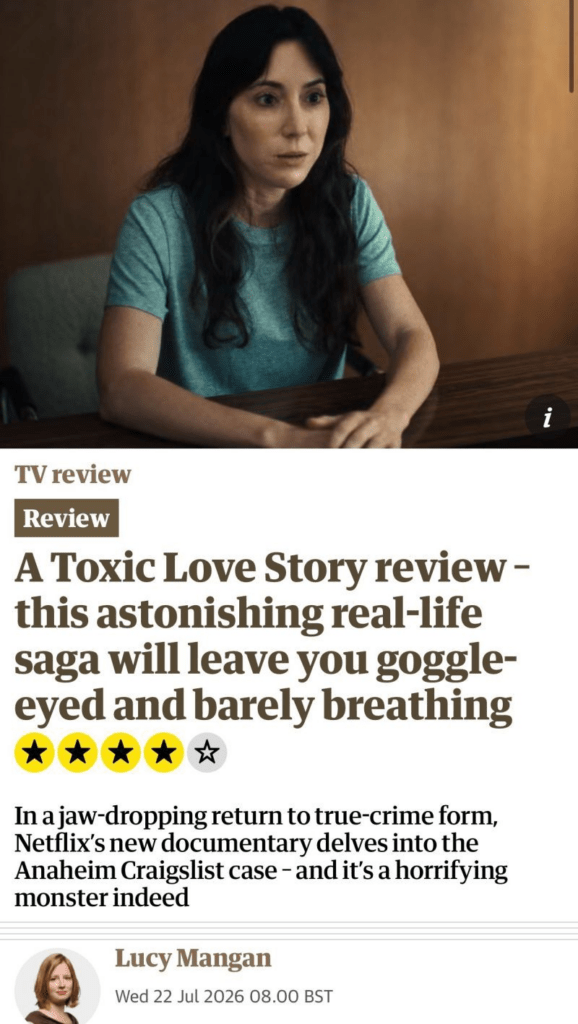
When the Documentary Takes an Unexpected Turn
When everything seems settled, A Toxic Love Story completely changes direction. Like the true crime documentaries, it refuses to stay predictable. Instead of continuing to build on the same accusations, it introduces a completely different point of view that makes viewers rethink every assumption they have made so far.
This change does not happen with one shock. Instead it happens slowly through interviews with friends, people who know the individuals involved and others connected to the case. Their stories start adding details that were missing before giving a picture of the relationships the people and the events around the investigation. What once looked like a story now feels full of uncertainty.
This was the moment when I was completely hooked. The documentary already had my attention. These new points of view made it even better. Every interview seemed to challenge something that was said before creating a feeling where certainty slowly disappeared. Of giving easy answers the documentary embraces confusion letting doubt become one of its most powerful tools.
The changes become harder to predict because every new piece of information changes the weight of everything that came before it. Moments that once felt clear now seem unclear while characters who were easy to understand become more complicated. Some of the twists feel almost impossible. They never feel impossible. Human behavior has always been able to surprise us. This documentary knows that very well.
By showing a clear battle between innocence and guilt, A Toxic Love Story slowly becomes a deep look at how people see things, how they are believed, and how they can be controlled. It is less about finding out who did a crime and more about understanding how easily stories can be changed based on who’s telling them. That willingness to challenge the audience’s beliefs is what makes the documentary so engaging and, in the end, so hard to forget.
Credibility, Perception and the Power of First Impressions
I find it really interesting how A Toxic Love Story explores the idea of credibility. The documentary shows each person in a way that makes us think about who to trust. We form opinions without realizing it. Ian Diaz’s job as a U.S. Marshal plays a role in this. He is in charge of catching fugitives, so he seems disciplined and trustworthy from the start. During the interviews, Ian stays calm. Gives details in a way that feels thoughtful. His job makes his words more believable. It is easier for us to accept what he says. This is a way to tell the story because credibility affects how we look at evidence, and the documentary does that very well.
Angela Diaz is shown in a way. She is clearly upset about what’s happening, but sometimes her story does not feel completely reliable. The documentary does not say she is lying. It shows moments that make us question her. This contrast between Ian’s words and Angela’s emotional story creates an interesting situation. The film does not just show a story of good versus bad. Instead, it looks at the stories people tell, and it gets harder to know who is telling the whole truth. This uncertainty is one of the documentary’s strengths.

A Story That Constantly Challenges Your Assumptions
The best true crime documentaries are not about shocking crimes. They make us question our thoughts, and A Toxic Love Story does that very well. Just when we think we understand the case, new information changes everything. The documentary builds suspense by showing perspectives. Every new revelation makes us look back at what we thought we knew and change our minds.
I was completely engaged in the story. As more people shared their experiences, the case became more complicated. Their stories did not just add information; they changed how we could understand what happened before. What seemed like evidence was not so clear anymore. The documentary lets us feel uncertain of giving us easy answers. It trusts us to think for ourselves. That makes the experience more rewarding.
Some things seemed hard to believe at first. They never felt impossible. People can be unpredictable in emotional relationships. The documentary shows this without making it sensational. It does not portray people as all good or all bad. Instead, it shows how our own biases and memories can affect the stories we tell about ourselves and others.
Blending Interviews with Real Evidence
The way the documentary tells its story is really strong because it uses footage and real evidence. It does not just use interviews that happened a long time after the fact. A Toxic Love Story uses police camera footage, official papers, news reports, text messages, and investigation records. These things help us understand what really happened and how the people investigating the case thought about it as it was happening. Every piece of evidence is important. Helps us see what happened and why.
The interviews in the documentary are also very good. The people who were friends and family of those involved, the police, and others who knew about the case all share their thoughts. This means the documentary does not just show one side of the story. Even when some interviews make it seem like one thing happened, the documentary later shows ideas that make it more complicated. This way of showing views lets the audience feel like they are part of the investigation, always thinking about new information and changing their minds.
I really liked how honest the interviews felt. They did not seem like people were just reading from a script or trying to say the thing. Many of the conversations felt real and emotional. The people being interviewed were able to talk about what happened to them without being interrupted much. This lets the audience think about what they’re saying and understand it in their own way. It makes the documentary feel more real. Shows that the truth is often not simple.
The Investigation Becomes More Absorbing
By the middle of the documentary, it seems like all the big questions have been answered. At first it seems like the rest of the documentary will just be about what happened in court. That is not what happens.
The second half of the documentary is more interesting because it focuses on the investigation. The documentary shows the police questioning people, collecting evidence, analyzing information, and following procedures. This could be boring. The documentary makes it feel urgent and important. It feels like everything is happening now, not just something that happened a long time ago. Every interview, every piece of evidence, and every new discovery makes the audience feel like they are waiting to see what happens next.
The way the documentary is edited is very good. Many true crime documentaries get boring after the surprise, but A Toxic Love Story does not. It keeps the audience interested by raising new questions. Instead of just telling us what the investigators found, the documentary shows us how those discoveries changed the whole case. This means the audience is always wondering what will happen next even after the big mystery has been solved.

Justice, Consequences and Emotional Frustration
For people who get frustrated when they see injustice, the documentary eventually gives them some closure. Like many real cases, it is not entirely satisfying. Some of the outcomes feel fair. There is still a feeling that the punishment does not fit the crime. The documentary shows this without being too dramatic, letting the audience decide if justice was really served.
Some of the things that happened in the documentary are disturbing because of what they’re because of how they were planned. Hearing about them is uncomfortable. Learning more about how they happened makes it even worse. It is one of those moments that makes you feel really uneasy, showing how bad people can be when they want to.
The documentary does not just focus on what happened in court. Also on how the people involved felt. Relationships were ruined; people’s reputations were. Trust was broken. These emotional scars are just as important as the court case, showing how obsession, manipulation, and lying can have effects.
A Final Revelation That Leaves You Speechless
When it seems like the documentary has answered all of its big questions, A Toxic Love Story gives us one final moment that is really hard to understand. The documentary ends with an interview that left me confused. This interview does not change the facts of the case. It changes how we think about the people involved. Sometimes what someone says can tell us more about them than hours of talking. This last interview shows us that.
What makes this final part so memorable is that it makes us try to figure out what the person is thinking. I really could not decide if what I was hearing was because the person was crazy, totally loyal, or just did not want to believe it. No matter why they said it, the interview is hard to believe. I was not convinced by what they said; I was actually laughing because it was so hard to accept.
I was not laughing because it was funny; I was laughing because I did not know how to react. Even after the documentary was over, that last interview stayed with me because it showed how strange the whole case was from start to finish.
Remarkable Pacing That Never Loses Momentum
One of the things I can say about A Toxic Love Story is that it never feels like a ninety-minute documentary. The documentary is divided into three parts; each part is about a stage of the case, and it leads into the next part naturally. This makes the documentary interesting the time and it does not feel too long or boring.
I stopped the documentary to get a snack. I thought I had only been watching for twenty or thirty minutes. When I looked, the documentary was almost over. That shows how interesting the documentary is. Time goes by fast because every scene is important. There is no stuff that is not needed, like long recreations or interviews that just repeat what we already know. Every conversation, every piece of evidence, and every new discovery helps to move the story.
This is something that a lot of crime documentaries struggle with. They often repeat the things over and over or spend too much time on details that we already understand. A Toxic Love Story does not do that. It gives us information to understand the case without giving us too much. The balance between giving us information and keeping the story moving is one of the best things about the documentary. It makes it easy to watch even though the subject is disturbing.
Why A Toxic Love Story Works So Well
The events in A Toxic Love Story are really shocking. What makes this documentary so good is the way it tells the story. A Toxic Love Story is confident in the way it tells the story. It does not feel like it is in a hurry. It also does not take too long to get to the point. A Toxic Love Story shares information at the time so the important details have a big impact. This way of telling the story lets the people watching feel like they are part of the investigation, and every new thing they learn feels like it was meant to happen, not like it was made up.
A Toxic Love Story also does a job of not making the people in the story seem too perfect or too bad. It shows that people can be complicated and have both bad qualities. When we watch A Toxic Love Story, we have to think about what we believe. We might have to change our minds. A Toxic Love Story does not tell us what to think; it just gives us information to make our own decisions. This is nice because it respects the people watching.
The interviews in A Toxic Love Story are also very good. Friends, family, and investigators all share their thoughts. They all add to the story. Some things they say agree with what we know, but other things make us question what we thought. This makes the story feel real. A Toxic Love Story is not a documentary about a crime; it is also a study of how people think and feel.

Final Verdict
A Toxic Love Story is a good documentary that keeps you interested from start to finish. It uses its time well. Explores how people can see the same thing in different ways. Every time we learn something, we have to think about what we already knew, and that makes the documentary exciting.
A Toxic Love Story tells its story well. It uses interviews, old footage, and police recordings to create a story that feels like a thriller. The tension in the story feels real because it comes from the things people say.
A Toxic Love Story does give us an answer to the mystery. It also reminds us that real life is not always fair. Some things feel right. Other things make us wonder if everything was done fairly. This makes the documentary more thought-provoking.
If you like documentaries that make you think and keep you interested, A Toxic Love Story is a choice. It is not a story about love; it is a look at how people can be obsessed, manipulated, and controlled. A Toxic Love Story does have some language and violent scenes, but it does not have any sexual content or nudity.
I do not usually give ratings to documentaries. A Toxic Love Story is one I would recommend. Its story is exciting; it tells the story well. It makes you think. A Toxic Love Story is a documentary that will stay with you long after you finish watching it. Whether you like documentaries, courtroom dramas, or stories that make you question what is real, A Toxic Love Story is worth watching.
Frequently Asked Questions (FAQs)
Is A Toxic Love Story based on a case?
Yes. A Toxic Love Story looks at a case that involved accusations of harassment, changing identities, and investigations by the police. The documentary uses interviews, police documents, old videos, and other real materials to tell the story.
Does A Toxic Love Story show the truth about the case?
By giving just one version of the story, the documentary asks people to look at different points of view. As more information comes out, old ideas are challenged. Finding the truth becomes one of the main topics of the documentary.
What makes A Toxic Love Story different from true crime shows?
Many true crime shows focus on the crime that happened. A Toxic Love Story looks at how people see things, whether they are believed, and how different stories can affect what people think and how the police do their work. It is a study of the mind as much as it is a crime show.
Is the documentary good for people who do not know much about crime?
Yes. The documentary tells the story in a way that’s easy to understand so people who are new to the genre can follow along. At the time, the way the story is told and the way it is investigated has enough depth to keep people who love true crime interested.
Does the documentary have stuff in it?
A Toxic Love Story does not use pictures, but it talks about serious crimes, threatening messages, and descriptions of violence that some people might find hard to watch.
How long is A Toxic Love Story?
The documentary has a runtime of 90 minutes. Even though it is not very long, it gives a well-paced look at the case without feeling too fast.
Is A Toxic Love Story worth watching?
If you like documentaries that mix journalism with psychological storytelling, A Toxic Love Story is worth watching. The surprising story, fair interviews, and placed surprises make it a fun experience from start to finish.
What is the central message of A Toxic Love Story?
At the heart of the documentary, it looks at the idea of truth. It shows how personal views, guesses, and trust can affect investigations, and it reminds people that real life is often more complicated than it seems at first.
References
- A Toxic Love Story. Directed by Jessica Burgess, Netflix, 2026.
- Netflix. “A Toxic Love Story.” Netflix. Accessed 30 July 2026.
- Internet Movie Database (IMDb). “A Toxic Love Story (2026).” IMDb, . Accessed 30 July 2026.
- Evans, Robert. The Kid Stays in the Picture. Hyperion, 1994.
Disclaimer
This review reflects the author’s personal opinions after watching A Toxic Love Story. Any critical observations or ratings are subjective and intended solely for discussion and review purposes.

