

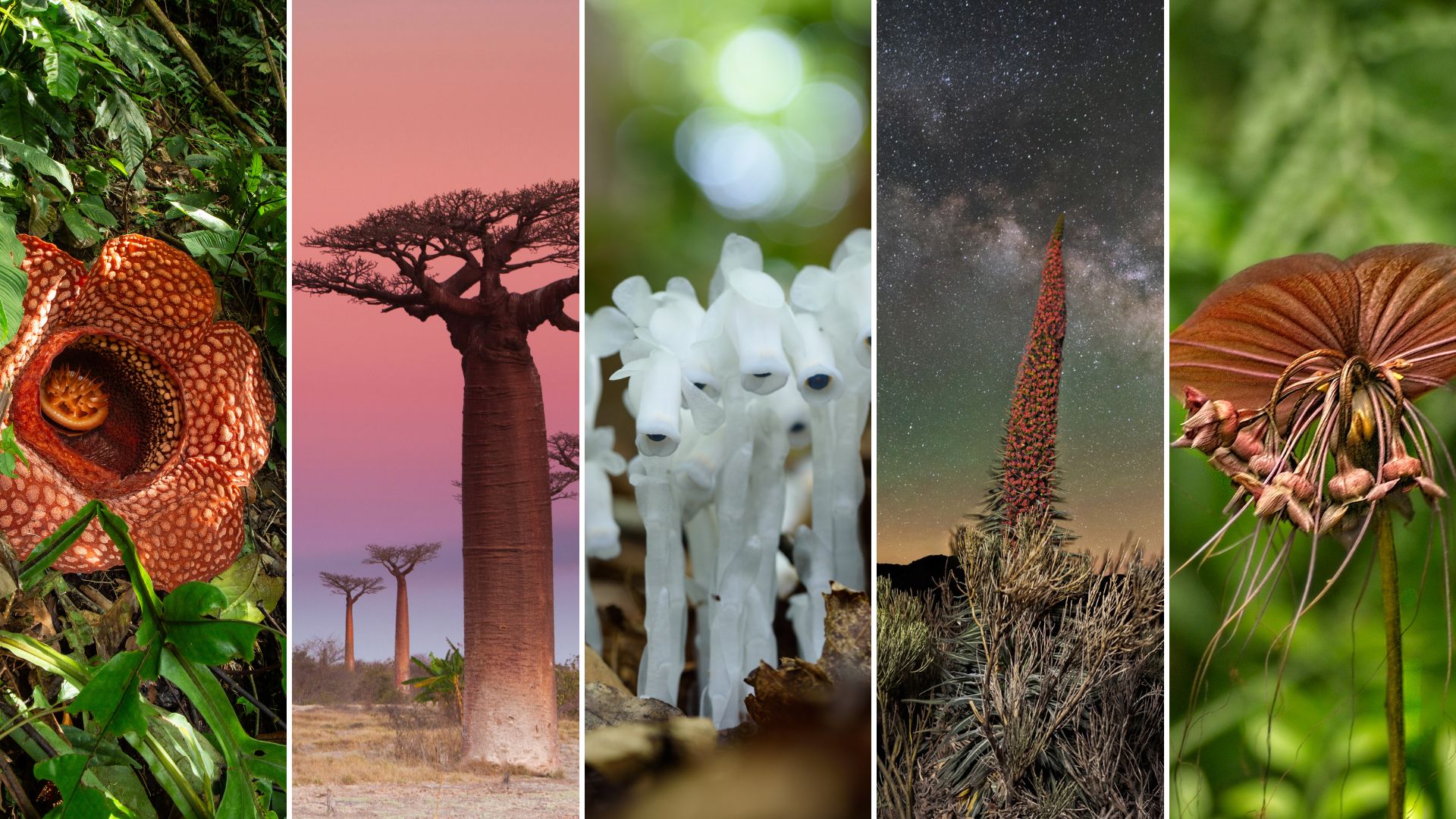
The amazing flowers in nature seem too real to believe.
Flowers are usually appreciated for their colors and smells, but some have special traits that go way beyond just looking nice. Found in rainforests, high mountains, warm islands, and old forests are flowers that can look like animals, give off strange smells, bloom for just one night, or live in places where most other plants can’t survive. Some are so rare that only a few exist on the planet, and others have sparked stories, legends, and questions from scientists for a time.
What makes these flowers really special isn’t the way they look it’s the amazing stories they tell. Nature has made flowers that look like monkeys, bats, birds, bees, dancing women, and even human lips. Some insects trick predators by acting like rotting meat, while others have found ways to trick pollinators or stay safe from animals that want to eat them. Every leaf, shade, shape, and smell has a reason, making each flower a work of nature’s design.
In this adventure, we will look at 32 of the special flowers in the world grouped into three interesting types: the most unique, the prettiest, and the rarest flowers on Earth. As we go, you’ll learn details, secrets, and amazing stories that show the natural world is much more creative than we usually think.
Sometimes the impossible art isn’t made by people; it grows quietly in nature.
World’s Most Unique Flowers
Nature’s Strangest Floral Masterpieces
Flowers are often connected with love, happy events and pretty sights—but not all flowers match that idea. Deep inside rainforests, on mountain rocks in foggy woods and on warm islands are flowers that are so strange they feel more like ideas from old stories than real things from the earth. Some have really bad smells, some look like bugs, and others only open for a very short time before they are gone forever.
Researchers keep learning about these plants because many have ways to live that are different from any other plants. They trick, hide, draw in, push away, and even control the animals around them without taking a single step. These are the flowers that show nature has a creativity that goes way beyond what we can think of.
Corpse Flower (Titanum)

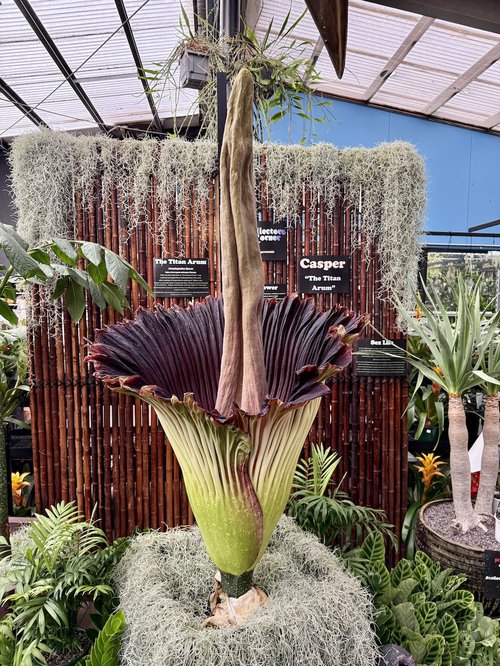
Found in: Sumatra, Indonesia
Description
I am walking through the rainforest in Sumatra. I smell something bad. It smells like something is dead. Then I see the Corpse Flower. The Corpse Flower is special. It does not bloom to look nice for people. It blooms to trick insects. The Corpse Flower smells like something is rotting. It gets a little warm when it blooms. This makes flies and beetles think they have found food. Really, they are helping the Corpse Flower by spreading its pollen.
The Corpse Flower is very big. It takes a long time to grow. It grows underground for years. Then it blooms for just a short time. It only blooms for 24 to 48 hours. When it does bloom, a lot of people come to see it. They come to gardens all around the world. Seeing the Corpse Flower bloom is like seeing something rare in nature. It is hard to predict when it will bloom. It is very exciting.
Monkey Face Orchid (Dracula simia)

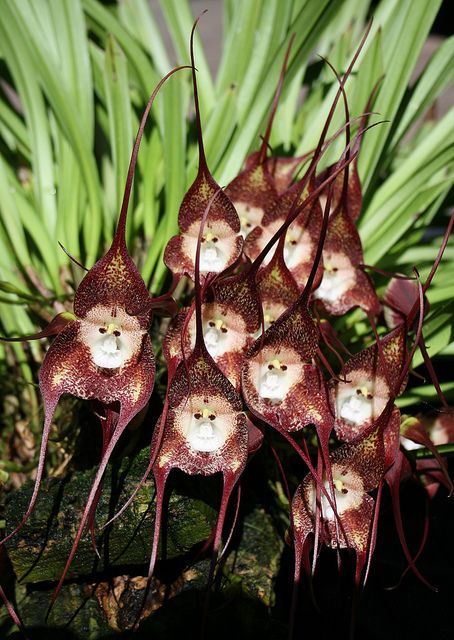
Found in: Ecuador, Peru and Colombia
Description
I look at the Monkey Face Orchid. I think I see a little monkey. It has eyes and a nose and a mouth. It looks like someone put a monkey inside the flower. That is just how the flower grows. It grows in the clouds of the Andes mountains.
The Monkey Face Orchid smells like oranges. It does not smell like a flower. It smells like fruit. This is strange because it is a flower. The Monkey Face Orchid has a name. It is called Dracula. This means “dragon”. The flower has petals that look like fangs. Each Monkey Face Orchid is a little different. They all look like they have their own face. This is very interesting to people who like flowers and people who like to take pictures.
Bat Flower (Tacca chantrieri)

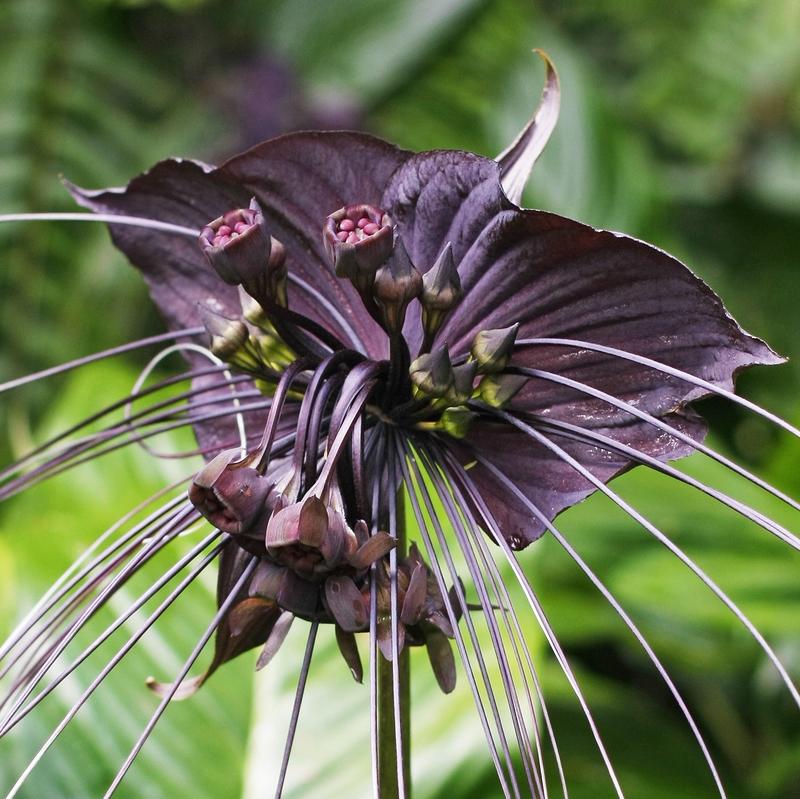
Found in: Southeast Asia, especially Thailand and Malaysia
Description
The Black Bat Flower is a really cool flower that can stop people who love gardening in their tracks. It has petals that’re so dark they look almost black and long whiskers that are over 60 centimetres long, which makes it look like a bat flying around. When it is in a forest with not much light, it can look really spooky.
The Black Bat Flower is special because of its colour. Most flowers are bright and colourful to attract bees and butterflies. The Black Bat Flower is different. It likes to attract flies and other insects that like places. Some people think that the long whiskers on the Black Bat Flower help guide insects to the middle of the flower. We are still not really sure what they do. The Black Bat Flower is one of those plants that reminds us that nature is still full of secrets.
Bleeding Heart (Lamprocapnos spectabilis)

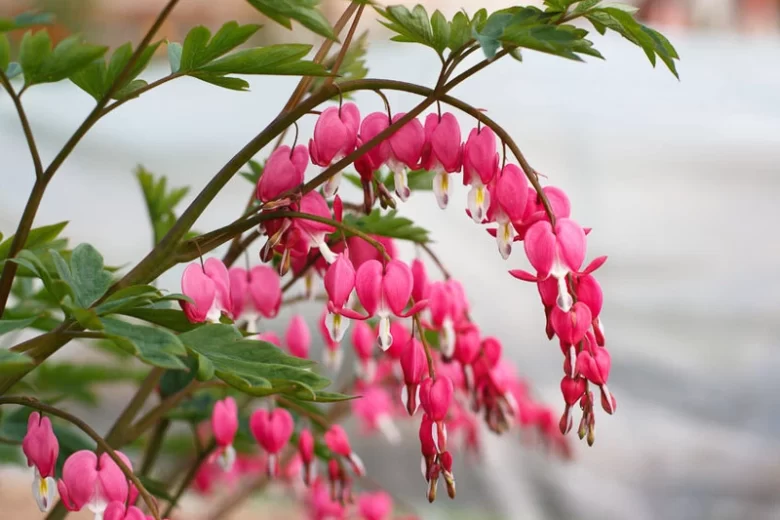
Found in: China, Korea, Japan and Siberia
Description
The Bleeding Heart is a flower that looks like it was made by folding tiny pink hearts out of silk and hanging a white drop below each one. For a time, people have been telling stories about the Bleeding Heart and how it symbolises love that never dies even when it is broken.
One thing that is really interesting about the Bleeding Heart is the shape of the flower. The shape of the flower decides which insects can pollinate it. Bumblebees are some of the insects that are strong enough to open the petals and get to the sweet nectar inside. When you see a bumblebee pollinating the Bleeding Heart in a garden, it is like watching a secret between nature and the bee.
Hookers Lips (Psychotria elata)

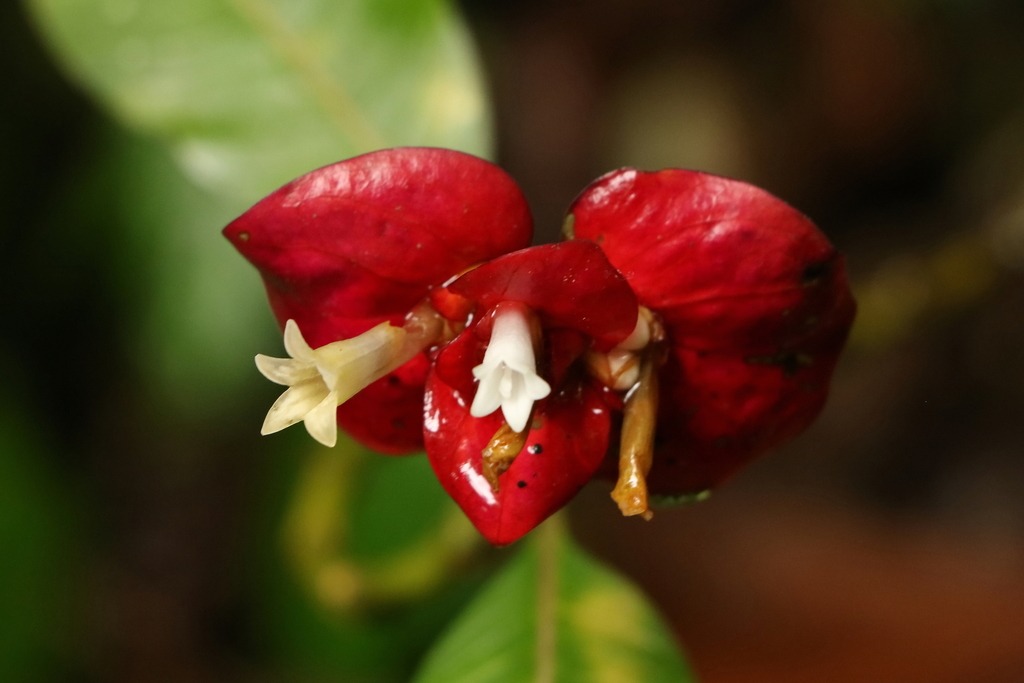
Found in: Costa Rica, Colombia, Panama and Ecuador
Description
The Hookers Lips plant is really eye-catching even before it blooms. It has red leaves that look like a pair of lips, which is really cool. These leaves are not the flower, but they are special leaves that attract hummingbirds and butterflies from far away in the jungle.
When the plant is mature, small white flowers come out from the middle of the leaves, which changes how the plant looks completely. Unfortunately, the Hookers Lips plant is getting harder to find because its home in the rainforest is disappearing. Some people who study plants are worried that soon we will only be able to see the Hookers Lips plant in pictures, not in life.
Bird of Paradise (Strelitzia reginae)

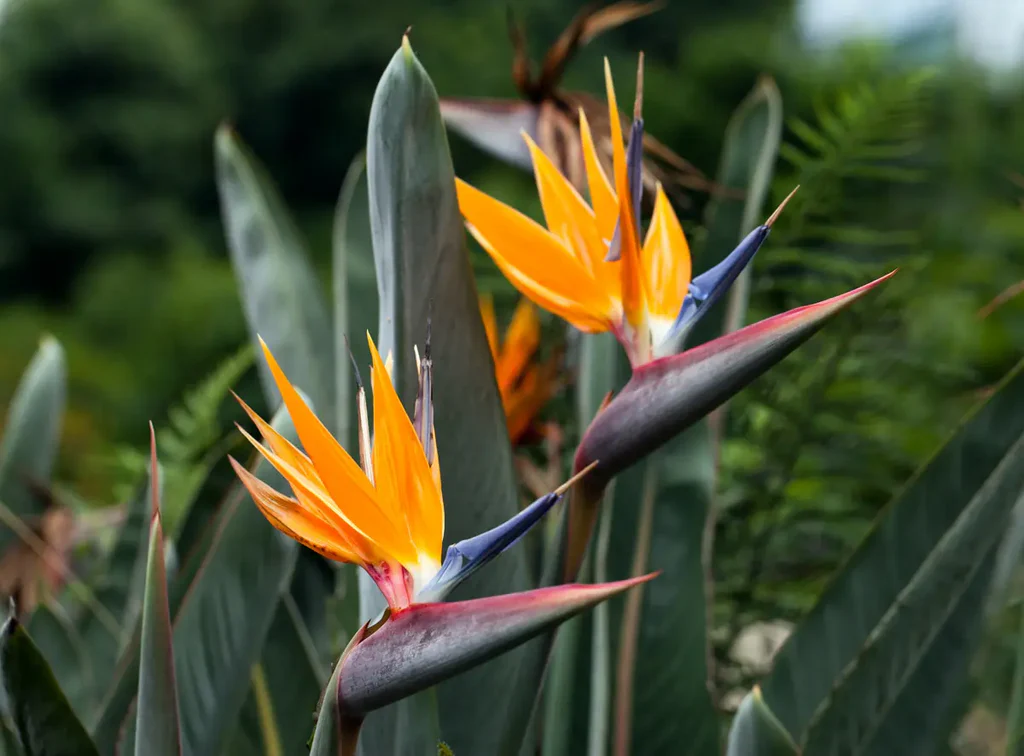
Found in: South Africa
Description
The Bird of Paradise flower is really easy to mistake for a bird that is frozen in flight. The Bird of Paradise flower has these bright orange petals and a deep blue centre that look just like the feathers of a tropical bird. This is why the Bird of Paradise flower has such a name.
One of the things about the Bird of Paradise flower is how it gets pollinated. When a sunbird lands on the Bird of Paradise flower to drink some nectar, its weight makes the petals open up like a platform. This dusts the bird’s feet with pollen from the Bird of Paradise flower. Then, when the bird visits another Bird of Paradise flower, the pollen from the Bird of Paradise flower gets transferred to the second Bird of Paradise flower. This is a cool partnership between the Bird of Paradise flower and the sunbird that has been going on for millions of years.
Bee Orchid (Ophrys apifera)

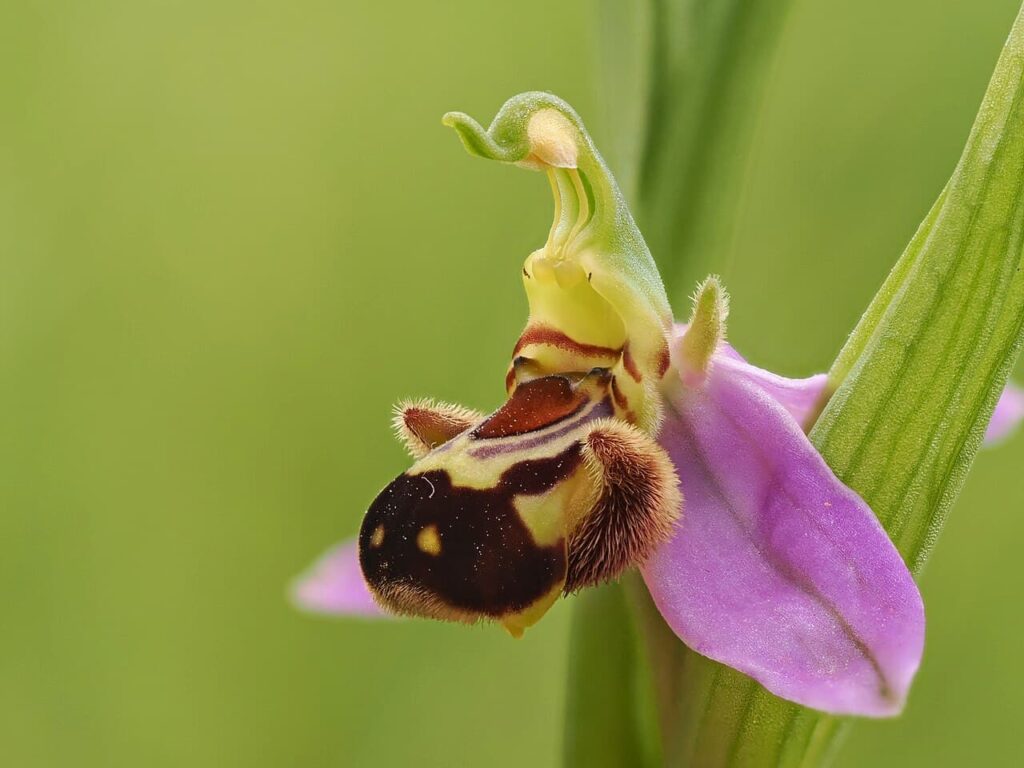
Found in: Europe, North Africa and the Middle East
Description
The Bee Orchid is a master of disguise. The Bee Orchid looks much like a female bee, so male bees often try to land on it because they think it is a real bee. When they do this, they accidentally carry pollen from one Bee Orchid to another Bee Orchid.
The Bee Orchid does not just look like a bee. It also smells like one. The Bee Orchid can release chemicals that smell just like a female bee. This is really cool because it shows how creative nature can be when it comes to helping plants survive.
Ghost Orchid (Dendrophylax lindenii)

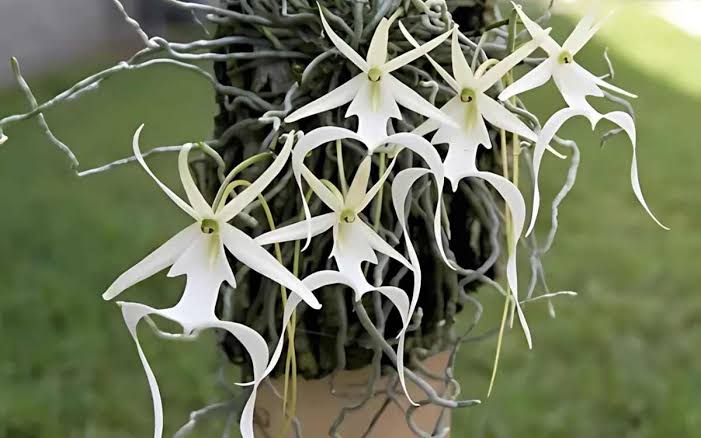
Found in: Florida (USA), Cuba, and the Bahamas
Description
The Ghost Orchid is a rare and cool flower. The Ghost Orchid looks like it is floating in the air because it has no leaves and its petals are white. The Ghost Orchid is so hard to find that experienced botanists can spend years looking for it without seeing one.
The Ghost Orchid needs a kind of moth to pollinate it. This moth has a long tongue that can reach the nectar of the Ghost Orchid. If this moth disappears, the Ghost Orchid might be in trouble. The Ghost Orchid is a cool and mysterious flower that is rarely seen by people.
Dancing Lady Orchid (Oncidium)
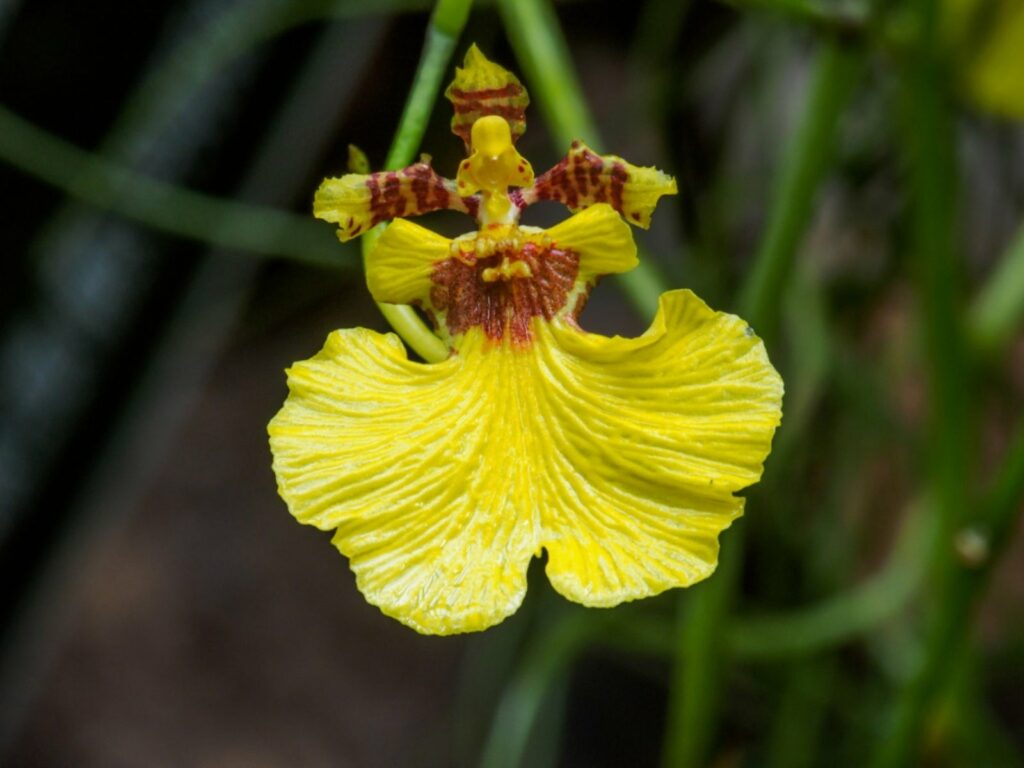
Found in: Central and South America
Description
The Dancing Lady Orchid is a pretty flower. When the wind blows, the Dancing Lady Orchid flowers move around. Look like they are dancing. Each flower looks like a woman wearing a yellow dress.
The Dancing Lady Orchid is special because it can move in the wind. This helps the Dancing Lady Orchid attract insects that can pollinate it. There are different kinds of Dancing Lady Orchids with different colours and patterns. This makes the Dancing Lady Orchid one of the diverse and beautiful flowers in the world.
Passion Flower (Passiflora)

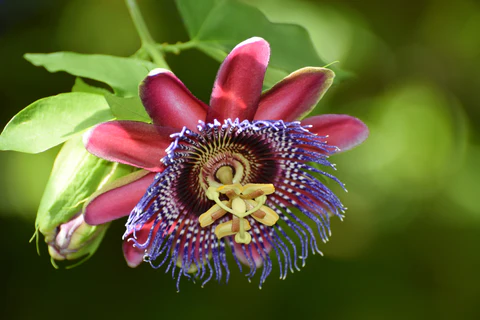
Found in: South America, Central America and parts of Asia
Description
The Passion Flower is intricate and beautiful. It has lots of parts and looks like it was made by an artist. The Passion Flower is special because it can protect itself from butterflies. The Passion Flower has yellow spots on its leaves that look like butterfly eggs. This tricks butterflies into not laying their eggs on the Passion Flower.
The Passion Flower is a cool example of how plants can outsmart the things that might try to hurt them.
Jade Vine (Strongylodon macrobotrys)
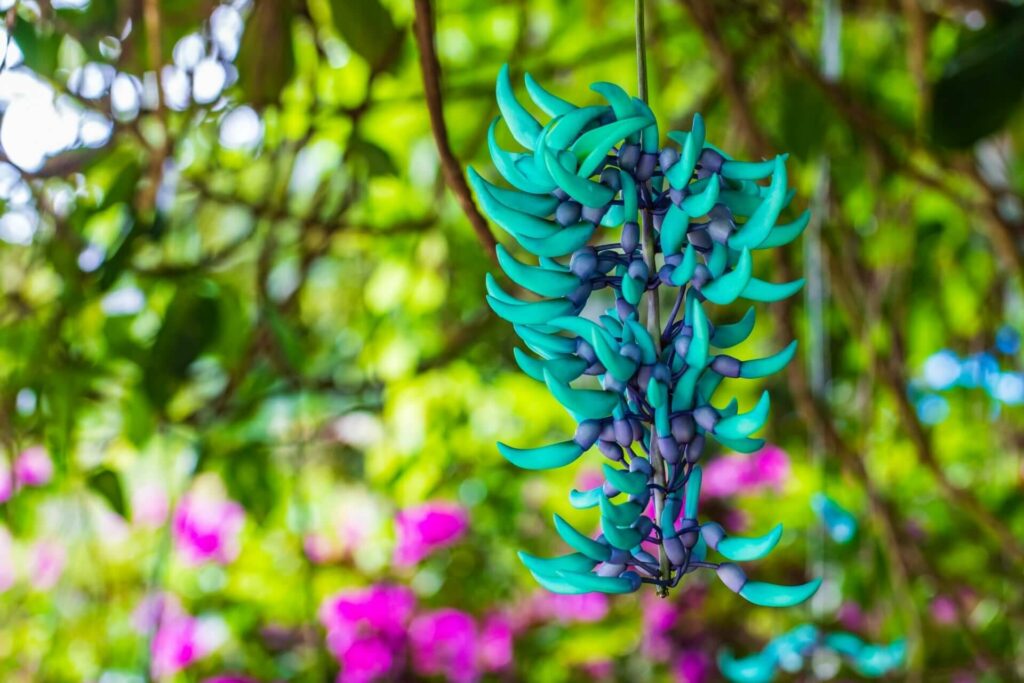
Found in: Philippines
Description
The Jade Vine is a beautiful flower with a unique colour. It is a kind of turquoise that is rarely seen in nature. The Jade Vine grows in clusters that look like glowing waterfalls.
The Jade Vine is special because it is pollinated by bats. At night, the Jade Vine flowers reflect moonlight. Attract bats that can pollinate them. This is a cool example of how plants can adapt to the animals that live near them.
Snapdragon (Majus)
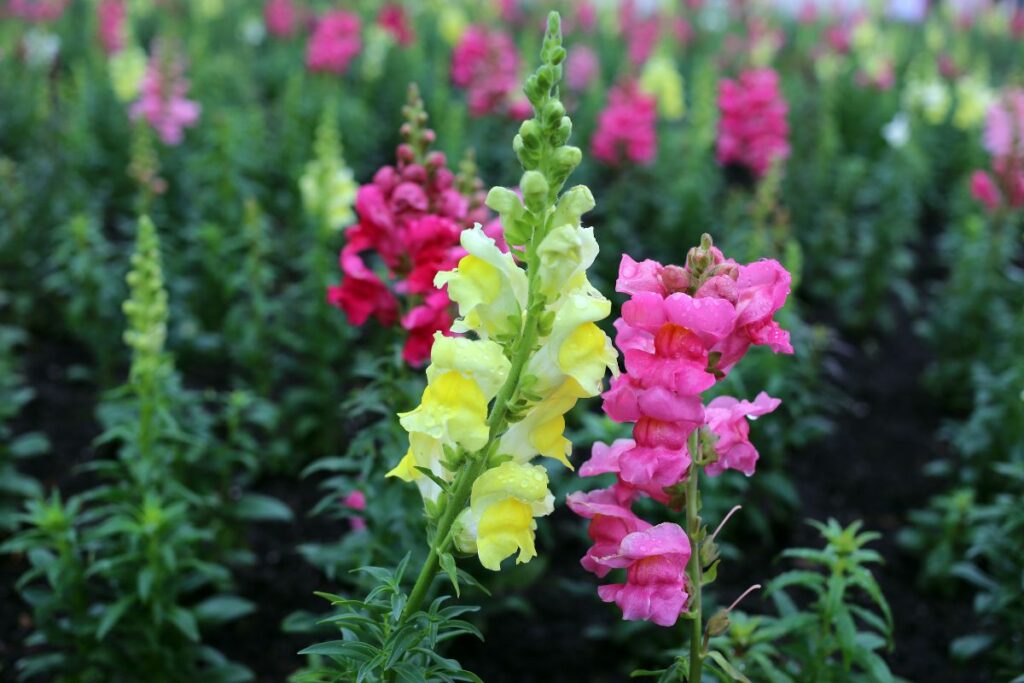
Found in: Mediterranean region and Southern Europe
Description
The Snapdragon is a really cool flower. When you squeeze its petals, they open up like a mouth. This is why it is called the Snapdragon.
The Snapdragon has an interesting history. People used to think that dragons lived inside the flowers. After the petals fall off, the seed pods look like skulls. In the past, people thought that Snapdragons had powers that could protect them from evil spirits.
World’s Prettiest Flowers
When Nature Decided to Become an Artist
Sometimes beauty in nature is really quiet. It can be a flower floating in the wind or a flower that only blooms for a few weeks. Every beautiful flower has a story behind it.
These flowers are not just beautiful because of their colours. They have inspired people to write poems and start festivals. They have even changed history. Here are some of the world’s beautiful flowers, each with its own special beauty.
Cherry Blossom (Prunus serrulata)

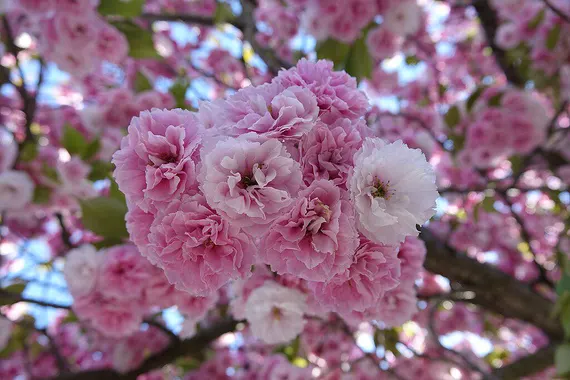
Found in: Japan, South Korea, China and parts of Europe
Description
Every spring Japan is filled with Cherry Blossoms. They only bloom for a week before they fall off the trees. This is really beautiful. Has inspired a Japanese philosophy that appreciates the beauty of things that do not last forever.
Scientists have noticed that the Cherry Blossoms all bloom at the same time. The temperature can affect when they bloom. Every year, people follow the “Cherry Blossom Front” to see when the flowers will bloom.
Flame Lily (Gloriosa superba)
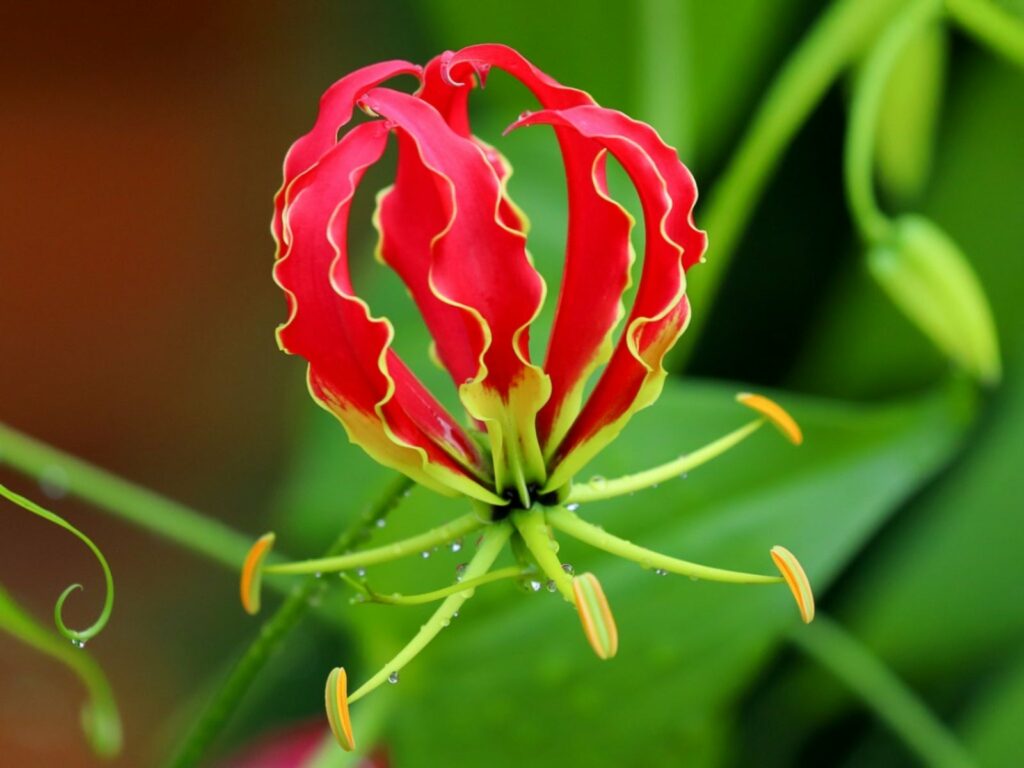
Found in: India, Sri Lanka, tropical Africa and Southeast Asia
Description
If fire ever decided to bloom as a flower, it would probably look like the Flame Lily. Its crimson and golden petals twist backwards like dancing flames, giving the illusion that the flower is moving on a perfectly still day. It doesn’t simply grow; it performs, turning hillsides and forests into stages where nature quietly puts on a show.
One of its intriguing secrets is that the flower transforms as it ages. Every passing day causes the petals to curl a little further backwards, making yesterday’s bloom unrecognisable today. In cultures, it has been admired not only for its beauty but also for its ability to remind us that change itself can be breathtaking.
Protea (Protea cynaroides)

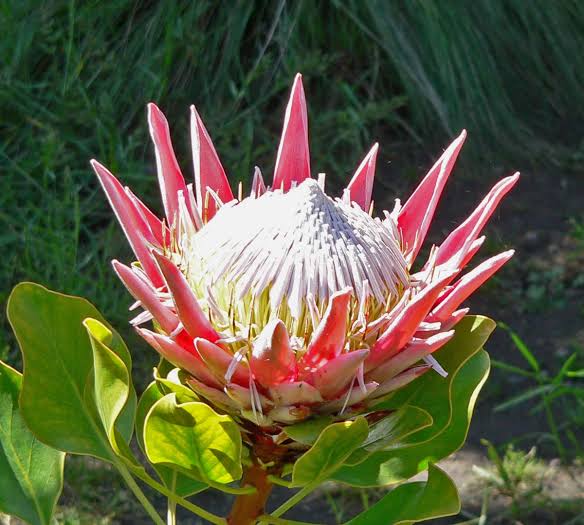
Found in: South Africa
Description
The Protea looks less like a flower and more like something left behind by another planet. Its enormous crown of petals surrounds a fascinating centre that resembles a tiny kingdom of its own. Standing before one feels like discovering a botanical secret hidden deep within the mountains.
Its name comes from Proteus, the shape-shifting sea god of Greek mythology, and the flower lives up to that legend. With over a thousand forms found across its family, no two Proteas seem to share the same personality. More remarkable, some species can survive wildfires, blooming again from scorched landscapes as though nature itself refuses to let them disappear.
Queen of the Night (Selenicereus grandiflorus)

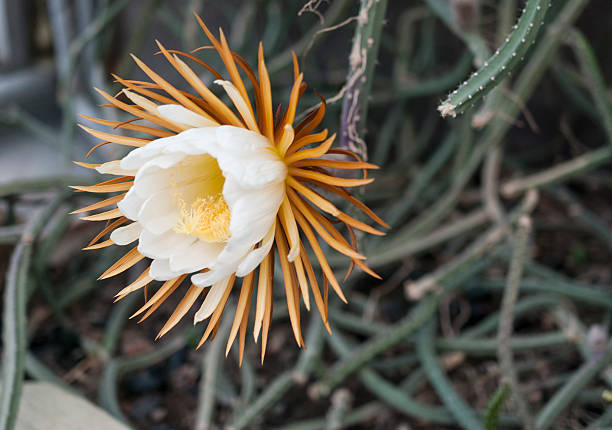
Found in: Mexico, Central America and the Caribbean
Description
Most flowers wait for the sun. The Queen of the Night waits for darkness.
As twilight settles, a looking cactus suddenly begins one of nature’s most extraordinary performances. Over a few hours, a magnificent white flower unfolds into a bloom nearly the size of a dinner plate, releasing a sweet fragrance that fills the night air. By sunrise, the spectacle is already over, as though the flower had never existed at all.
Because its bloom lasts for a single night, many people spend years hoping to witness it. Some botanical gardens even organise midnight gatherings whenever the flower is expected to bloom, drawing visitors who quietly wait beneath the stars for a moment that nature refuses to repeat the next morning.
Wisteria

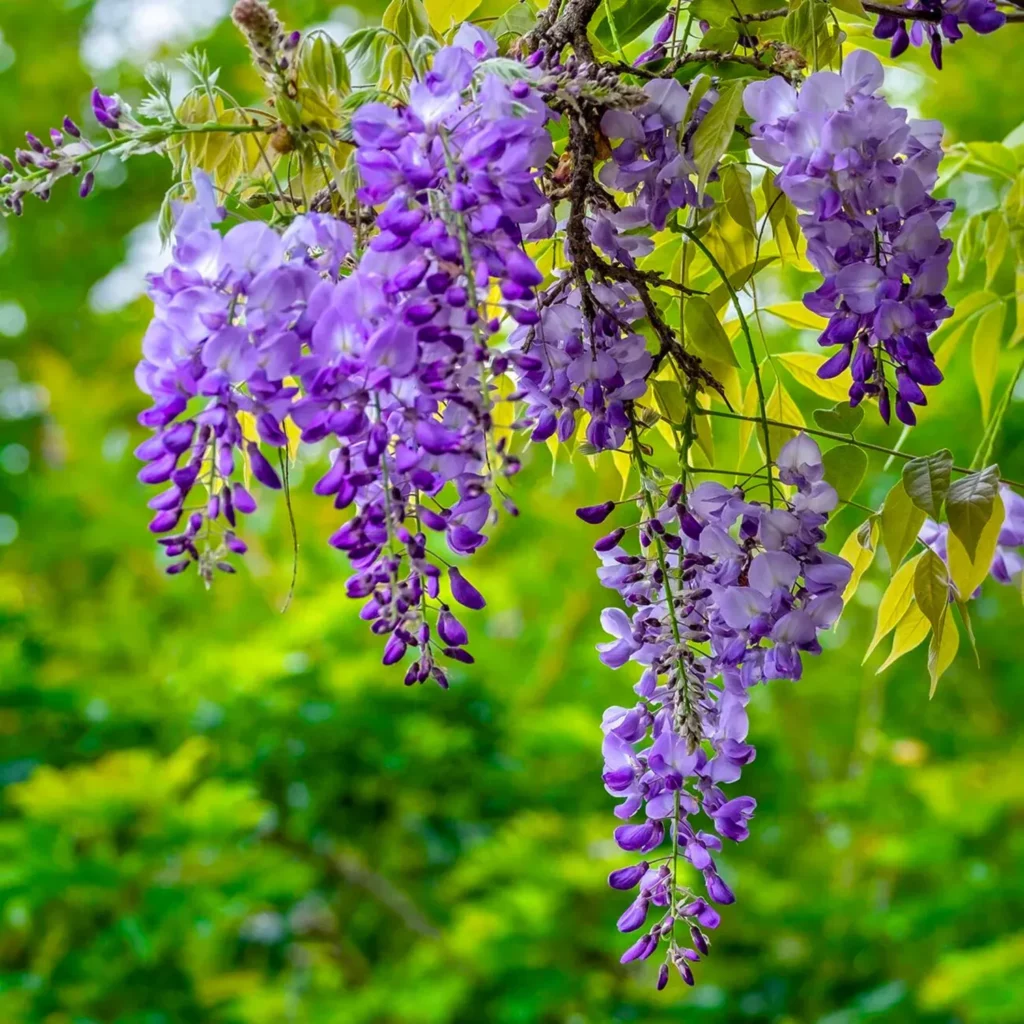
Found in: China, Japan, Korea and cultivated worldwide
Description
Walking under a Wisteria that’s in bloom is like walking into a fairy tale. The purple flowers hang down from the vines like a frozen waterfall, and they smell really good. Some of the Wisteria vines are really big and spread out across the whole garden, making a ceiling of flowers.
There is an old Wisteria in Japan that is over 150 years old, and it covers almost half an acre. The big branches are held up by a lot of poles so people can walk under the flowers. It is really beautiful. Shows that flowers can make whole landscapes.
Blue Himalayan Poppy
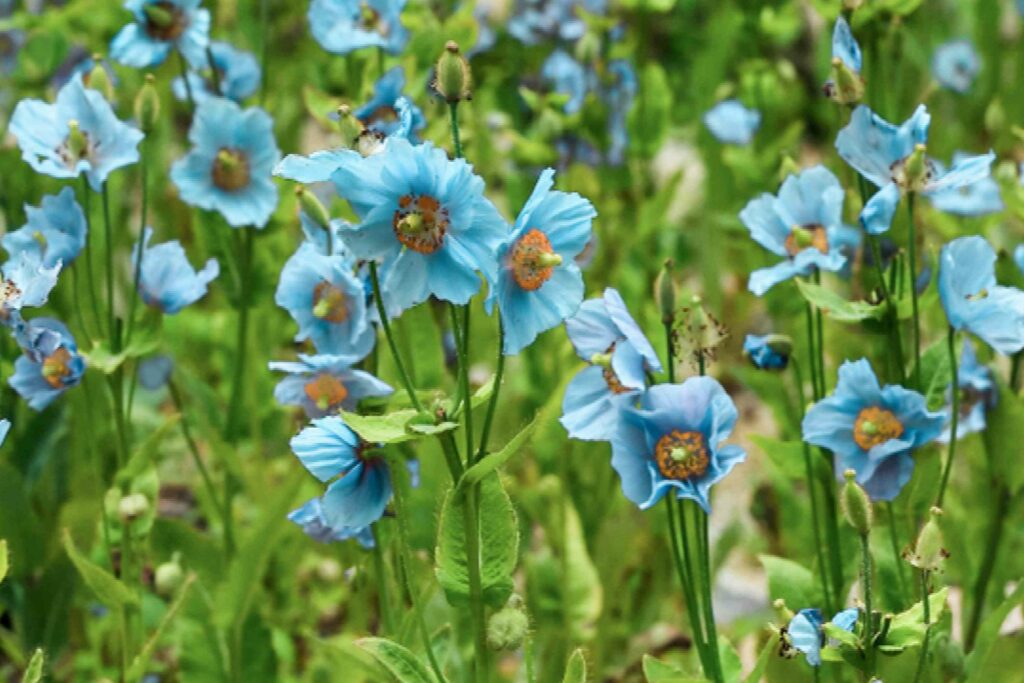
Found in: regions of Tibet, Bhutan, Nepal and China
Description
The Blue Himalayan Poppy is a really rare blue flower. It grows up in the mountains where the air is cool, and the winds are strong. The blue petals look like they are glowing against the rocks and the green meadows.
Even though it looks delicate, the Blue Himalayan Poppy can survive in a harsh environment. The winds are cold; the air is thin. The weather is unpredictable. People have tried to grow it in gardens. It is hard to make it happy.
Moth Orchid

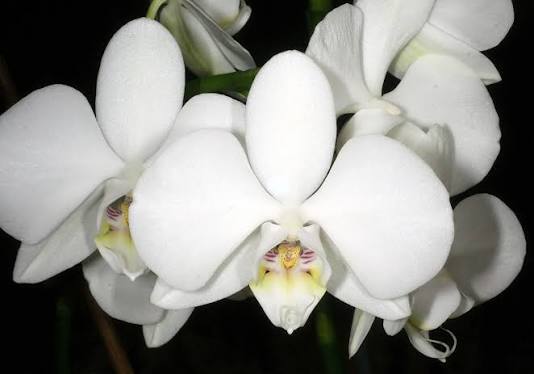
Found in: Southeast Asia, the Philippines, Indonesia and Australia
Description
The Moth Orchid got its name because people thought its flowers looked like moths on trees. When the wind blows, the flowers move like they are going to fly.
The Moth Orchid blooms for a time, sometimes for months. Some orchids even talk to the fungi in the soil. They help each other out. This helps the orchids survive in places where other flowers would not make it.
Peony

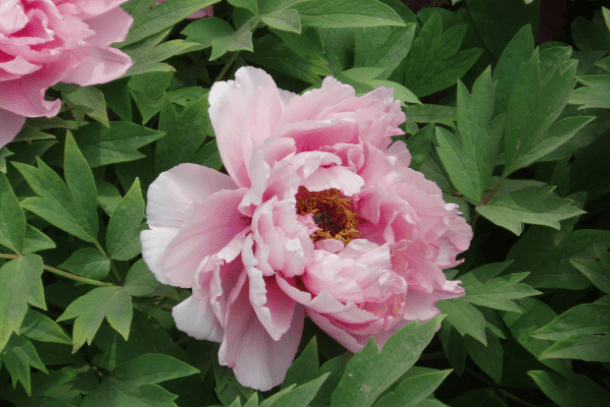
Found in: China, Japan, Europe and North America
Description
The Peony is called the “King of Flowers”. It is easy to see why. The petals are soft and silky. They unfold like layers. In China, peonies were only grown in the emperor’s garden.
Peonies have a friendship with ants. The ants are attracted to the drops on the buds, and they walk around the flowers. People think the ants help the peonies bloom. They would bloom anyway. It is still a cool thing to see.
Hydrangea
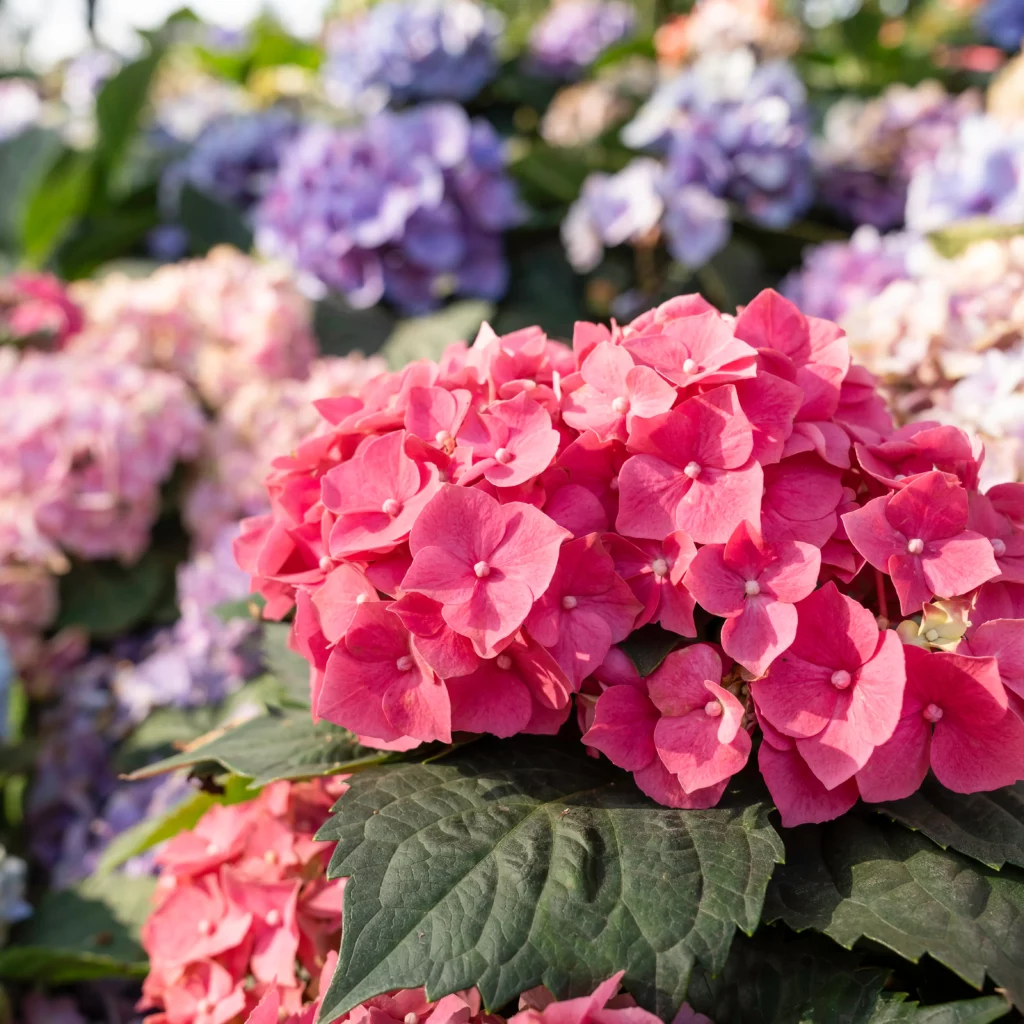
Found in: Japan, Korea, China and cultivated worldwide
Description
The Hydrangea is a cool flower. If you plant it in two gardens, it might bloom blue in one and pink in the other. The reason is not in the flower. In the soil.
The colour of the flower depends on how acidic the soil’s if there is aluminium in it. The Hydrangea shows what the earth is like, and it is like a mirror of the ground.
Ranunculus

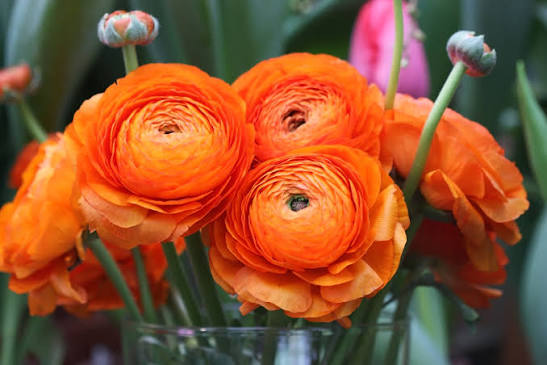
Found in: Mediterranean region, Southwest Asia. Cultivated worldwide
Description
The Ranunculus looks like a flower made of paper. The petals are arranged in spirals, and they are really delicate. Florists say they look like roses, but they are unique.
The petals reflect sunlight in a way which makes them look luminous. Standing in a field of Ranunculus at sunrise is like being in a kingdom where all the flowers glow.
World’s Rarest Flowers
The Flowers That the World Almost Lost
Flowers are really amazing. Some flowers are seen every day in gardens. Others are hidden from people. A few flowers only bloom once a year. Some flowers only bloom at night. Some flowers are the last of their kind. The reason these flowers are rare is not just because there are not many of them. It is because they have stories of survival.
Many of these flowers were saved by chance. Others are still protected by botanists who take care of the remaining plants. Seeing one of these flowers in person is a special experience. It reminds us of how fragile and amazing nature’s
Middlemist Red

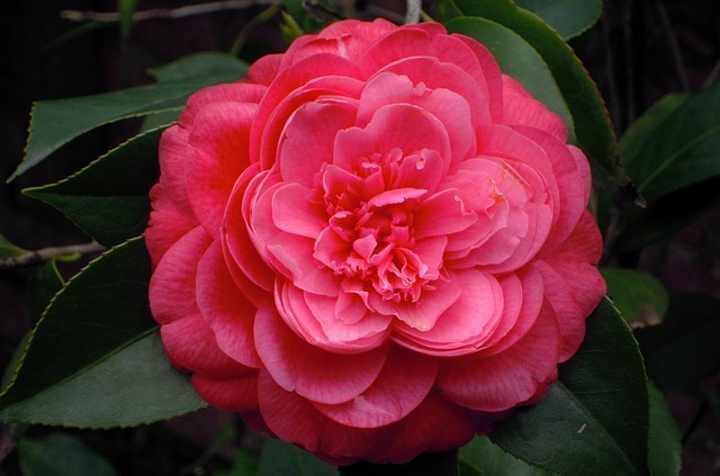
Found in: New Zealand and the United Kingdom
Description
This flower is very special. If flowers had a wanted list, the Middlemist Red would be at the top. There are fewer than five of these plants in the world. This makes it one of the rarest flowers ever. The strange thing is that this flower is not even red. It is a pink color. This is a mystery that gardeners still do not understand.
The story of this flower is really amazing. It originally came from China. It disappeared from China a long time ago. The reason it still exists today is that a British gardener took one of the plants to another country. If that had not happened, the Middlemist Red might be gone forever.
Juliet Rose

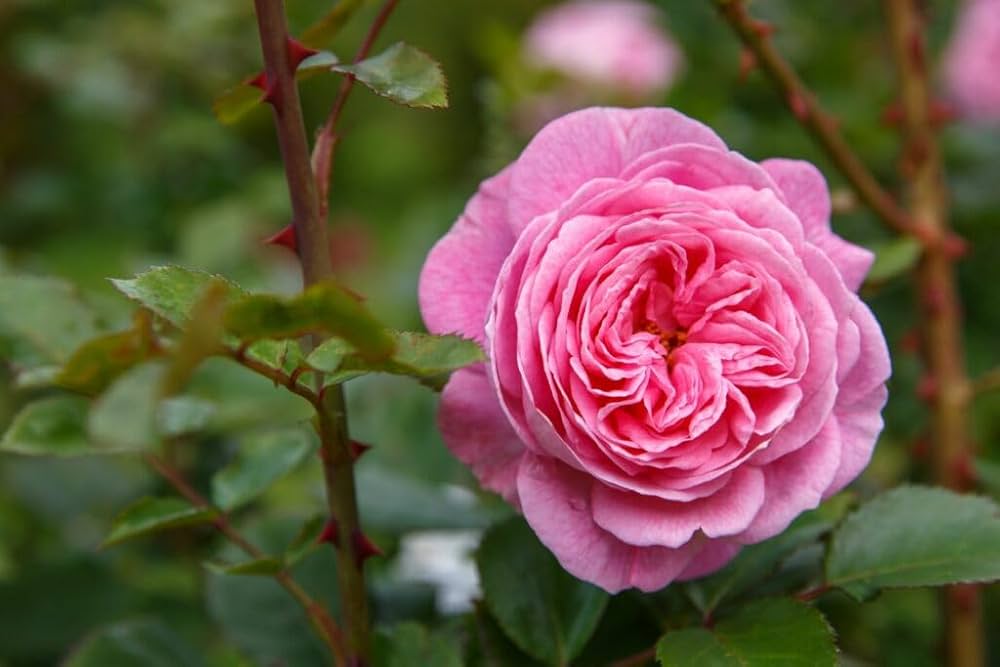
Found in: Grown all over the world
Description
The Juliet Rose is not rare because of where it grows. It is rare because of how it was made. A famous rose breeder named David Austin spent fifteen years creating this flower. He spent a lot of money to make it happen. When he finally introduced the flower to the world, it quickly became famous. People even call it the three million dollar rose.
The petals of the Juliet Rose are layered perfectly. They look like they were made by hand. This makes the flower very elegant. It is one of the most popular flowers for special events like weddings. The Juliet Rose is a masterpiece. It shows that beauty can take time to create.
Kadupul Flower

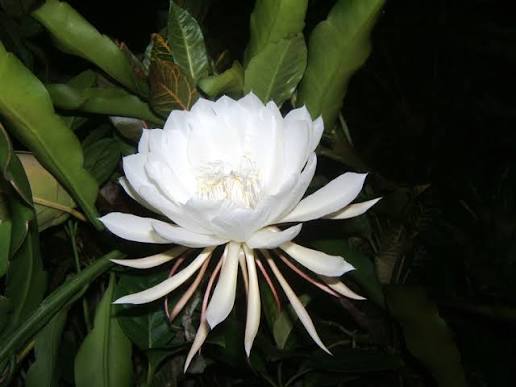
Found in: Sri Lanka, India, and parts of Southeast Asia
Description
There are flowers that you can take pictures of. Then there is the Kadupul Flower. This flower blooms at night. It fills the air with a smell before it wilts in the morning. By the time the sun comes up, the flower is already gone.
In Sri Lankan stories, the Kadupul Flower is a flower that is offered to gods before dawn. Because it only blooms for an hour, it cannot be picked or sold like other flowers. The value of this flower is in the experience of seeing it. It reminds us that some things in life are precious and cannot be owned.
Gibraltar Campion

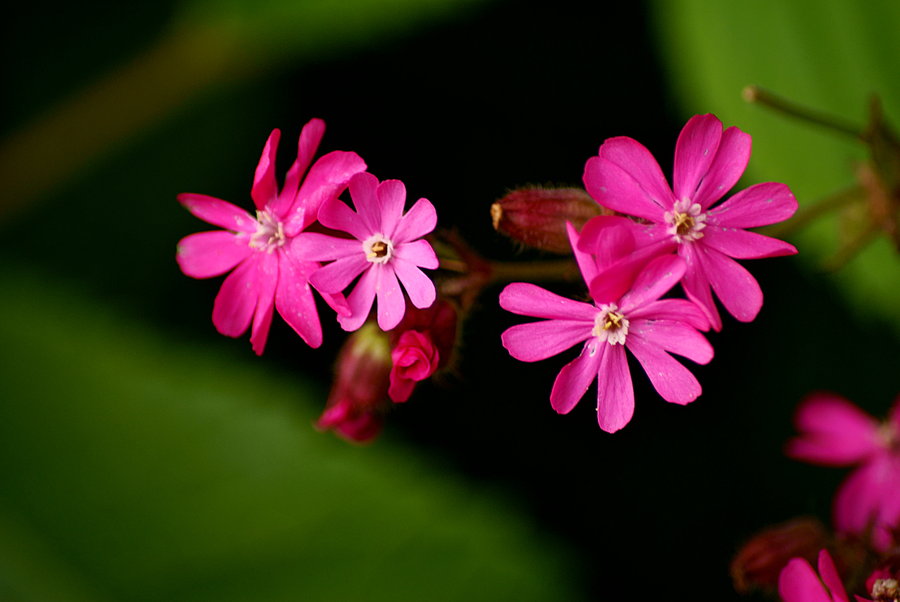
Found in: The Rock of Gibraltar
Description
For a time, people thought the Gibraltar Campion was gone forever. It had not been seen in the wild for years. Then a climber found a few of these flowers growing on a rocky cliff. This discovery surprised botanists all over the world.
Today the remaining wild plants are protected. More plants are also grown in gardens to keep the species alive. The survival of the Gibraltar Campion is a reminder that nature can surprise us. It can hide its secrets in places.
Franklin Tree Flower
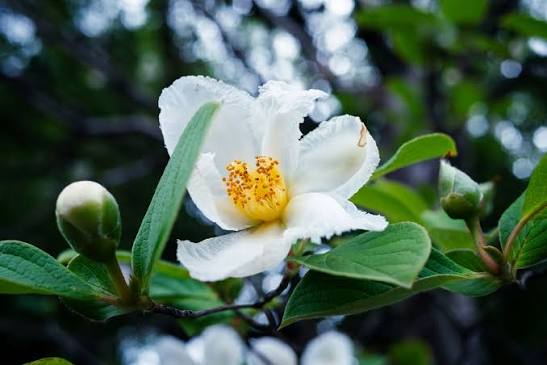
Found in: Georgia, USA; now only grown in gardens.
Description
The Franklin Tree Flower has a big mystery surrounding it. It used to grow in Georgia. Then it disappeared from the wild. No one knows why it disappeared. It was not because of a disease or climate change. It was not because of people.
Luckily, botanists collected seeds from the tree before it disappeared. All the Franklin Trees that exist today came from those seeds. Each flower is a reminder of the past. It is like a time capsule from a forest that no longer exists.
Rothschild’s Slipper Orchid

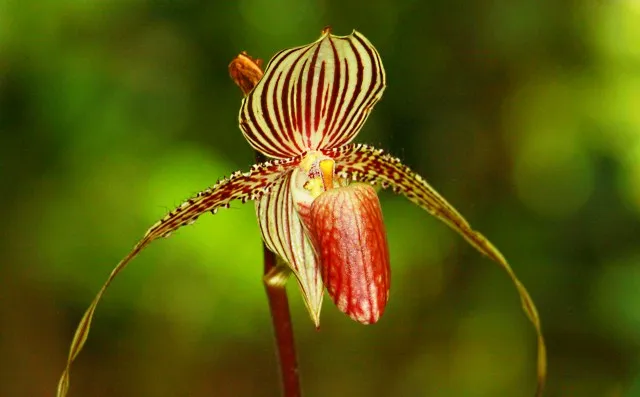
Found in: Mount Kinabalu, Borneo
Description
This orchid is known as the Gold of Kinabalu. It grows naturally on limestone slopes. Its petals are striped like ribbons. This makes it one of the most beautiful orchids in the world. It is also one of the most expensive.
The reason it is rare is that it takes time to bloom. A single plant can take up to fifteen years to produce its flower. This makes every bloom very valuable. For conservationists, it is important to protect each plant. Because if one plant is lost, it can take more than a decade to replace it.
Youtan Poluo

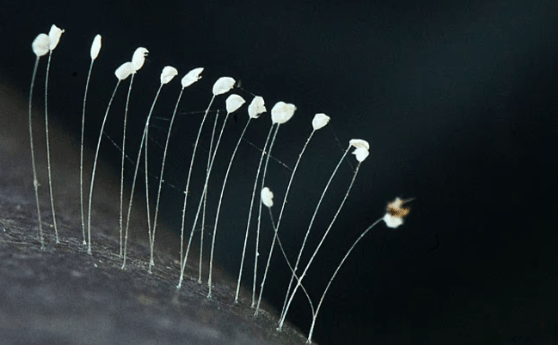
Found in: Very rare; sometimes seen in China, Korea, Taiwan and India.
Description
The Youtan Poluo is a flower that exists between science and legend. Its white blossoms are very small. They look like bells on thin stems. Because they are so small, they are often not noticed. Sometimes people find a whole cluster of them growing on metal or tree bark.
In Buddhist stories, the Youtan Poluo is a sacred flower. It is said to bloom every 3,000 years. It is a symbol of the arrival of a king. While botanists debate whether this flower is real or not, its mysterious appearances continue to fascinate people.
Chocolate Cosmos

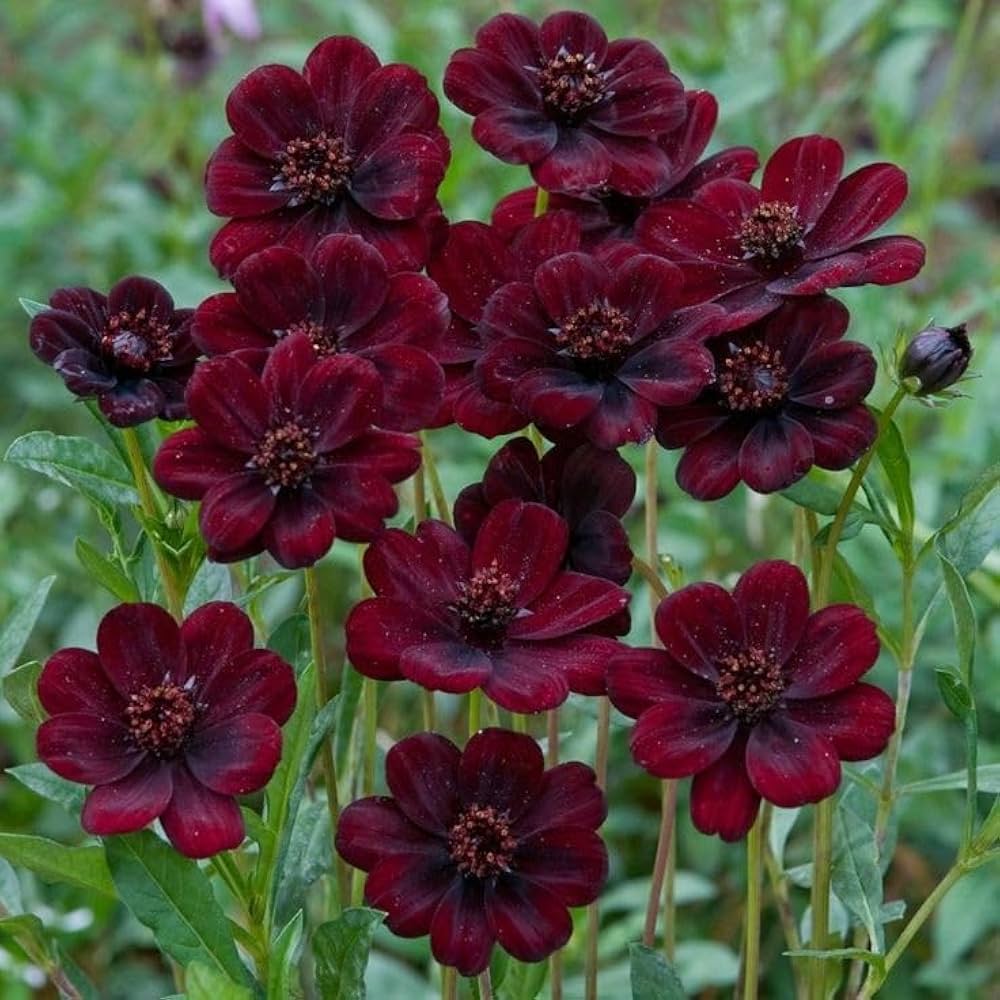
Found in: Mexico; now mostly grown in gardens.
Description
Most flowers are nice to look at. The Chocolate Cosmos is nice to smell. Its deep maroon petals smell like chocolate. This is especially noticeable on afternoons. People often look for the source of the smell before realizing it comes from the flower.
Sadly, the original wild plants disappeared a long time ago. All the Chocolate Cosmos that exist today came from plants. This means they are almost identical. Each bloom carries the genetic blueprint. It is like a preservation of a species that nature almost erased.
Parrot’s Beak

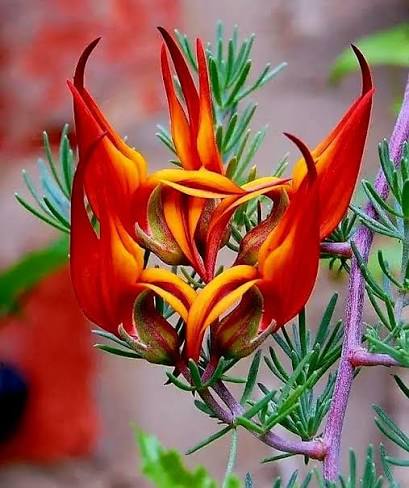
Found in: Canary Islands, Spain
Description
The Parrot’s Beak has orange-red blossoms. They look like bird beaks. The shape of the blossoms used to match the beaks of birds that pollinated them. Those birds are now extinct.
The mystery is how the remaining wild plants still reproduce successfully. Scientists are still trying to figure this out. It is like a puzzle. It shows that nature can adapt when it loses its old companions.
Lady’s Slipper Orchid

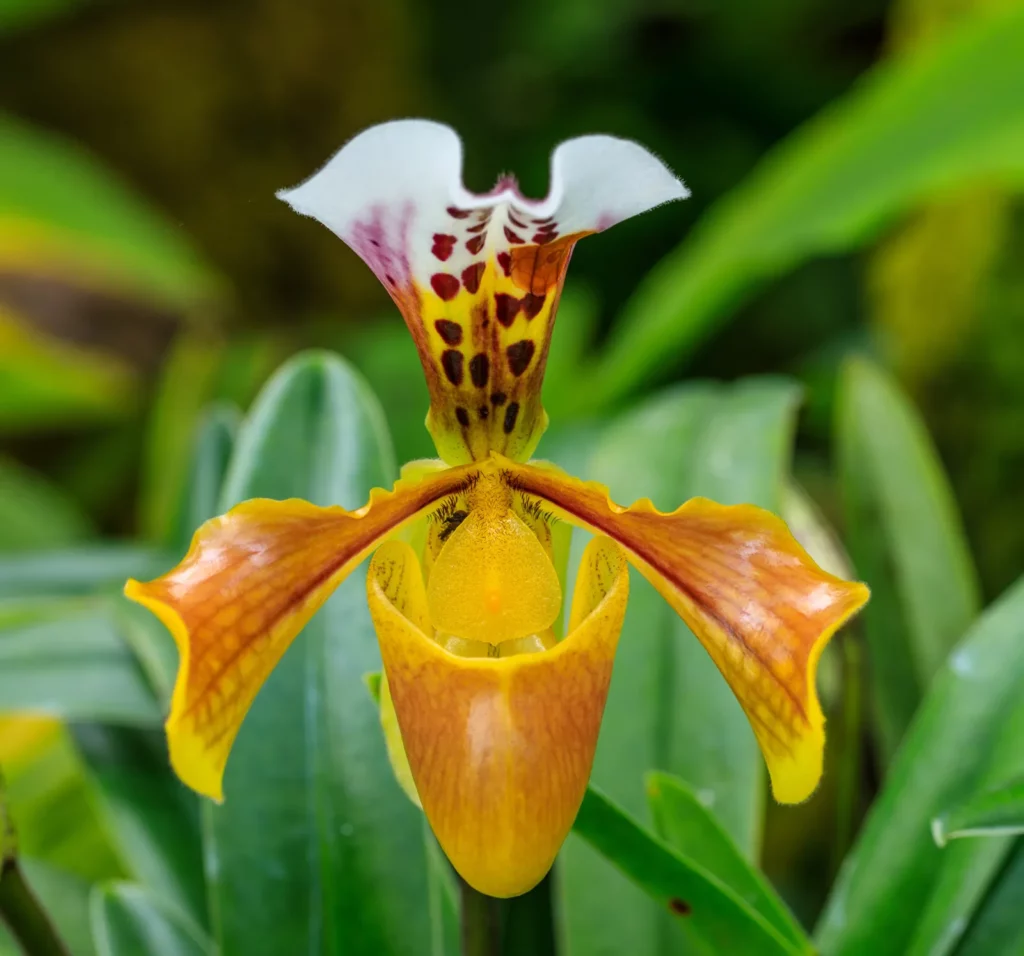
Found in: Europe and parts of Asia
Description
The Lady’s Slipper Orchid is an elegant flower. Its golden pouch-shaped bloom looks like a slipper. It has inspired legends throughout Europe. Some stories even say that the flowers mark places where magical beings danced at night.
The flower has a trap. It lures insects inside the pouch. The insects have to find a narrow passage to escape. As they escape, they brush against pollen. This helps the flower survive. The Lady’s Slipper Orchid turns every insect into a messenger without harming them.
A Final Thought
When you look at these 32 special flowers, you start to notice something. Their names are just as interesting as the flowers are. Take the Corpse Flower, the Ghost Orchid, the Monkey Face Orchid, the Black Bat Flower, Hookers Lips, and the Lady’s Slipper. These names do not sound like they belong to plants. They sound like they could be characters in a made-up story.
You hear these names. You start to wonder. You think to yourself, can a flower really look like that?
What I like about flowers is that they are all different. Nature does not make the thing twice. Every flower is unique. Every flower has its way of surviving and its own secrets. Some flowers only bloom for one night. Some flowers trick insects into doing what they want. Some flowers have been around for a very long time.
These flowers show us that nature is really good at coming up with things. Nature is more imaginative than people are.
That is probably why we love flowers so much. Flowers are not just things that we plant in our gardens. They are like works of art. Each flower has a story to tell. Some even have legends about them.
So, the next time you hear a strange flower name, do not think it is weird. The story behind the name is probably more interesting than the name itself.




You’re so awesome! I don’t believe I have read a single thing like that before. So great to find someone with some original thoughts on this topic. Really.. thank you for starting this up. This website is something that is needed on the internet, someone with a little originality!
Your comment really made me happy. If what I said made you stop and think or look at flowers differently, then I am glad I wrote this. It means a lot to me that you noticed my article when there are many other things to read. I want to thank you for taking the time to read what I wrote. I hope we can find interesting things in nature that people usually do not see.
You’re so awesome! I don’t believe I have read a single thing like that before. So great to find someone with some original thoughts on this topic. Really.. thank you for starting this up. This website is something that is needed on the internet, someone with a little originality!
Aww, thank you so much! That truly means the world to me. I’m so happy you enjoyed the article and found it refreshing. Your support and kind words really encourage me to keep writing. Thank you again!
This is really interesting, You’re a very skilled blogger. I’ve joined your feed and look forward to seeking more of your magnificent post. Also, I’ve shared your site in my social networks!
This really made my day! I am so happy that you liked the article and you also told people about it. That means a lot to me. Thank you for reading the article and, for helping me tell these stories to people who are interested. I hope you like the articles that are coming next. They will be just as interesting.. See. There is a lot more to learn!
I appreciate you sharing this blog post. Thanks Again. Cool.
I appreciate you sharing this blog post. Thanks Again. Cool.
I am really glad you enjoyed the post. Your support and kind words mean a lot to me. I want to thank you for taking the time to read the post and write a comment. The post is something I worked hard on. It is great to know that you liked the post.
I really like reading through a post that can make men and women think. Also, thank you for allowing me to comment!
Thank you! If the article sparked a thought or made you see nature from a different perspective, then it was worth writing and I’m always happy to hear your thoughts and comments like yours because its makes the conversation more meaningful.
Daha önce araştırıp pek Türkçe kaynak bulamadığım sorundu Elinize sağlık eminim arayan çok kişi vardır.
I am very thankful. I feel happy that you found this helpful. Your nice words mean a lot to me. I hope the article will continue to help other people who are looking for the same information.
I am really happy the article was useful for you. Your nice words are very important, to me. I hope it helps many other people who are looking for the same information too.
Bu konu hakkında bilgi vermeniz çok güzel. Genellikle türkçe içerikler az oluyor fakat böyle güzel içerikler görmek ve okumak çok zevkli.
Aww thank you much. I am really happy you liked the article. Your nice words are very important. I am pleased the information was useful. Thank you for your support.
I appreciate you sharing this blog post. Thanks Again. Cool.
Good post! We will be linking to this particularly great post on our site. Keep up the great writing
Thank you much! I really value your help. I am happy that you liked the post. Thank you for putting it on your website. I hope you like the articles that are coming up as well!
Great information shared.. really enjoyed reading this post thank you author for sharing this post .. appreciated
Daha önce araştırıp pek Türkçe kaynak bulamadığım sorundu Elinize sağlık eminim arayan çok kişi vardır.
Konular mükemmel olduğu gibi site teması da içeriğe müthiş uyum sağlamış. Tebrikler
Aww, thank you so much! I’m really happy you liked both the content and the website. Your kind words truly mean a lot. Thanks for your lovely support!
Faydalı bilgilerinizi bizlerle paylaştığınız için teşekkür ederim.
Hocam detaylı bir anlatım olmuş eline sağlık
websitem için çok işime yaradı teşekkür ederim
You’re very welcome! I’m really glad the article was helpful, for your website. Thank you for your words. Thank you for taking the time to leave a comment. I really appreciate it. Have a day.
I like the efforts you have put in this, regards for all the great content.
Comments are closed.